
Last updated November 15, 2026
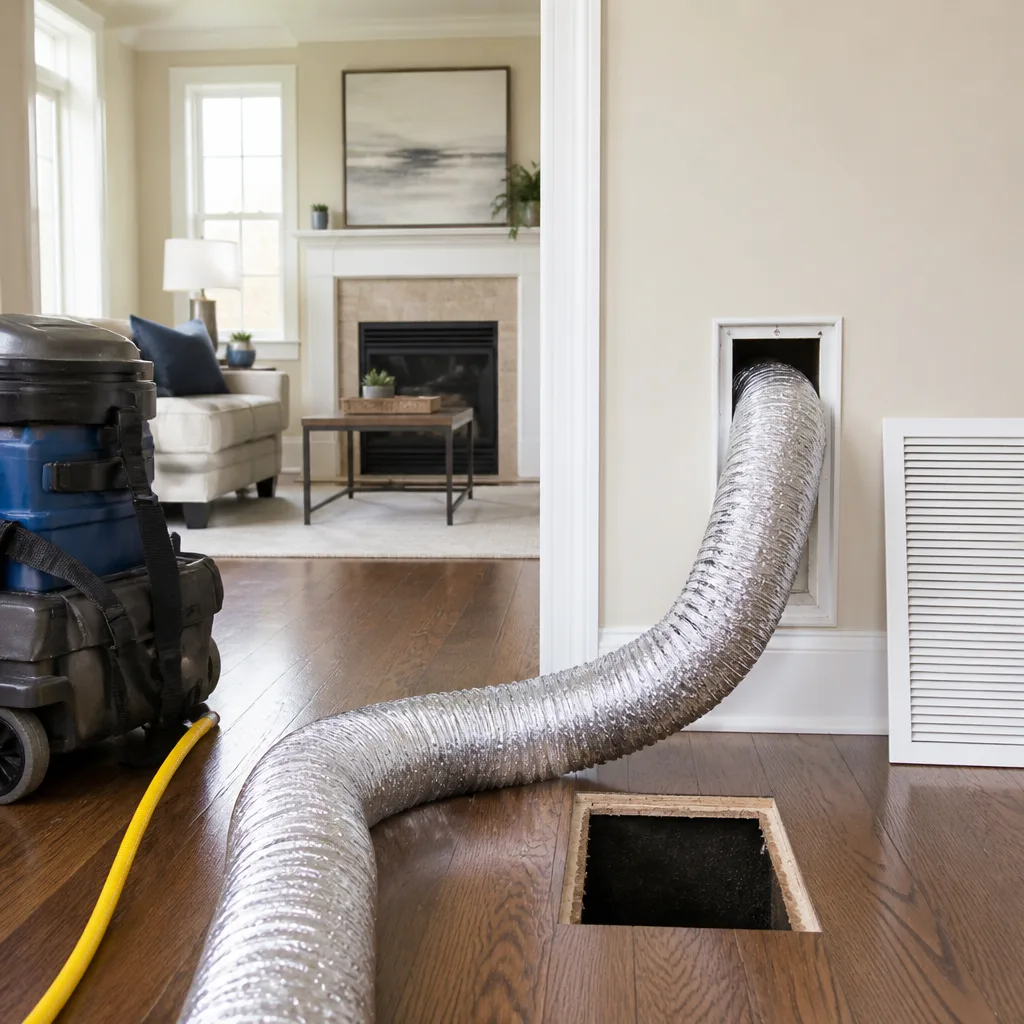 Whole-home duct cleaning
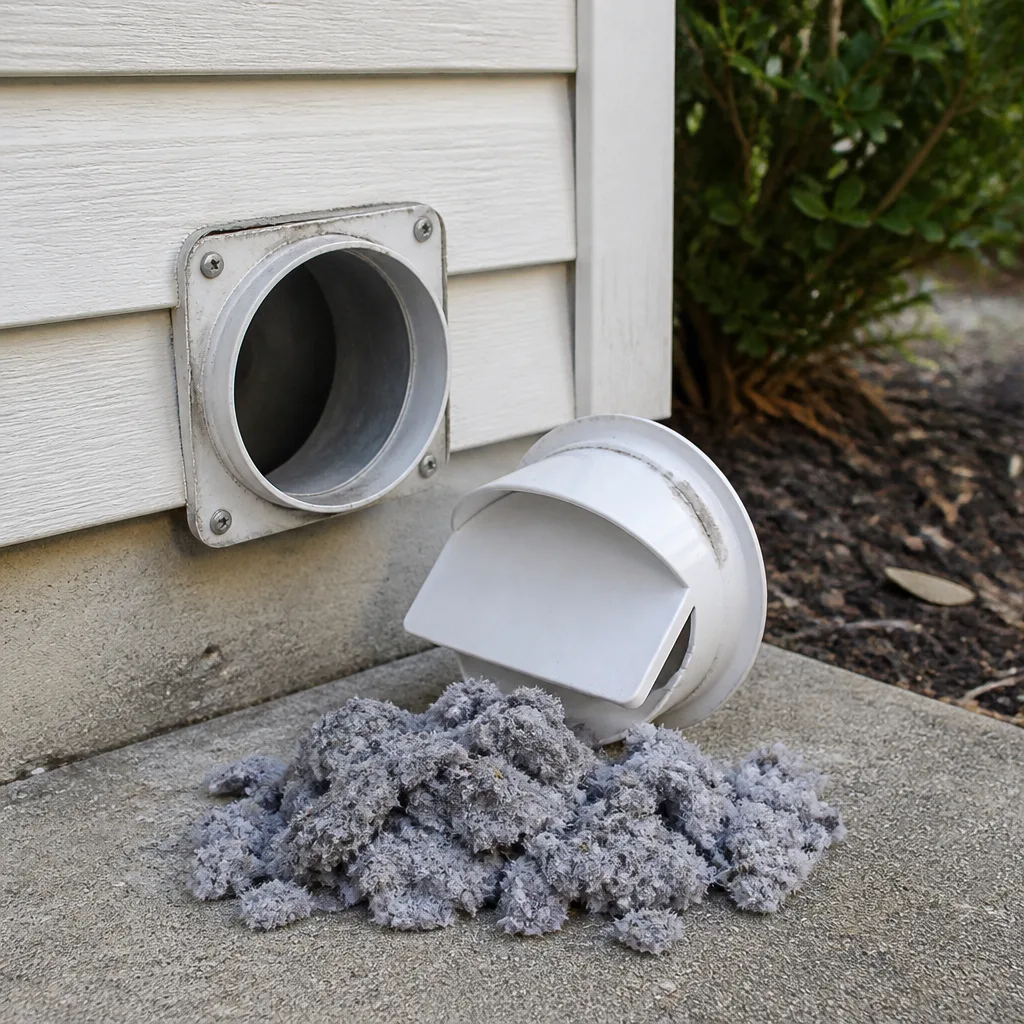 Dryer vent cleaning
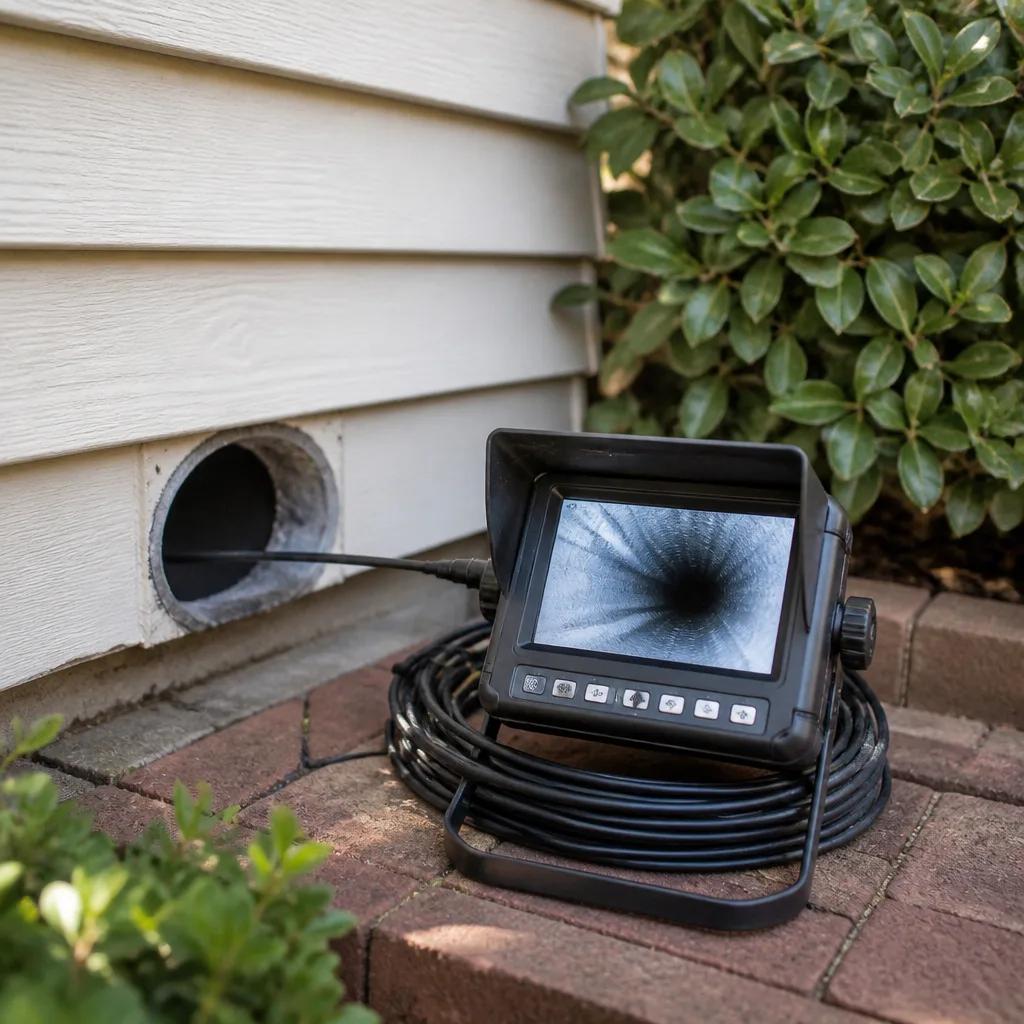 Camera inspection
 Sanitizing & deodorizing
Whole-system duct and dryer vent check with before-and-after photos - you see exactly what came out of your vents
That "$99 whole-house special" is a bait ad - the real number appears once they are in your hallway, or the "clean" is a shop-vac at the register. We photograph the inside of your ducts before and after instead.
Air Duct Cleaning Permits, Codes & Inspections in Tyler, TX: What You Need to Know
Most homeowners assume duct cleaning is a maintenance service with no regulatory dimension at all. That’s partly true, and partly the reason people get surprised. Cleaning alone doesn’t trigger a permit. But the moment a technician opens a duct wall, cuts out a section of flex, or performs mold remediation inside the system, you’re in different territory – mechanical work that can fall under Texas codes and City of Tyler ordinance. Most contractors won’t volunteer to explain where that line sits. This guide does. You’ll learn what’s maintenance and what’s code work, when a mechanical permit applies, what Texas energy code expects from modified ducts, how mold work in ductwork connects to state licensing, and exactly what paperwork to request so you’re protected if you ever sell the house.
Quick Answer
Air duct cleaning itself generally does not require a permit in Tyler, TX – it’s treated as maintenance. But duct repair, replacement of duct sections, system modifications, or mold remediation inside ductwork can require a City of Tyler mechanical permit and may fall under Texas mechanical and energy code, and mold assessment work must be handled by a state-licensed mold assessor under Texas Department of State Health Services rules. Ask any contractor to put in writing whether their scope is cleaning or mechanical work before they start.
Styles & brands we work with
- Whole-home duct cleaning
- Dryer vent cleaning
- Camera inspection
- Sanitizing & deodorizing
Table of Contents
- Cleaning vs. Repair: The Legal Distinction in Texas
- When Does Duct Work in Tyler Require a Mechanical Permit?
- What Happens If Unpermitted Repairs Turn Up During a Home Sale
- Texas Energy Code and Duct Leakage After Modifications
- Mold in Ductwork and DSHS Mold Assessor Requirements
- What Documentation to Request From Any Duct Contractor
- What an Inspection Actually Looks At
- Where DIY Ends and Licensed Work Begins
Cleaning vs. Repair: The Legal Distinction in Texas
The single most useful thing to understand about duct work regulation in Texas is the difference between maintenance and mechanical work. Cleaning is maintenance. Repair and replacement are mechanical work. That distinction drives everything else in this guide – permits, code compliance, documentation, and who’s allowed to do what.
Cleaning means removing accumulated dust, debris, and biological growth from inside ducts that are structurally intact. A technician runs a professional-grade system like Rotobrush or Nikro through the system, agitates the surfaces, and pulls the loosened material into a HEPA-filtered collection unit. No part of the duct assembly is cut, opened, or changed. That’s why cleaning doesn’t require a permit in Tyler, and why it’s not a code-inspected activity.
Repair is different. The moment a technician does any of the following, you’ve crossed into mechanical work:
- Cuts an access opening into rigid ductwork and leaves it as a permanent part of the system
- Replaces a run of flex duct or a rigid duct section
- Reconnects a duct to a register boot, plenum, or trunk
- Reseals joints with mastic or foil tape as a permanent repair
- Modifies the layout of the duct system, adds a run, or eliminates one
- Addresses mold growth inside ductwork as a remediation scope rather than routine cleaning
In our experience, homeowners rarely get this explained upfront. A “duct cleaning” quote turns into a repair scope mid-job, and the homeowner has no idea the work on the back half of the visit has a different regulatory character than the work on the front half. That’s a problem, because the second scope is where permits and code compliance start to matter.
When Does Duct Work in Tyler Require a Mechanical Permit?
Whether a specific duct job in Tyler needs a City of Tyler mechanical permit depends on the scope. Routine cleaning doesn’t. Structural changes, new duct runs, system replacements, and permanent modifications to the mechanical system generally do. The City of Tyler’s building department is the authority that makes that call for your property, and it’s the right place to ask before work starts rather than after.
The practical rule most contractors work by: if the work changes the system rather than maintaining it, call the city. That includes new duct runs, relocated registers, duct system replacements, and modifications to the supply or return layout. It also includes repairs that involve opening and reconfiguring plenum connections or altering the way the system delivers air to a room.
A mechanical permit isn’t a bureaucratic penalty. It exists so an inspector can verify the work meets code before drywall goes back up and the system is buttoned in. Without that step, no one is looking at whether the new duct run is sized correctly, sealed properly, supported correctly, or connected the way code requires.
What a permit actually triggers
- Application. The contractor submits a permit application to the City of Tyler describing the scope. Some minor scopes may not require one; the building department adjudicates.
- Plan review for larger scopes. Straightforward repairs move quickly. Larger modifications may require documentation of the duct design.
- Rough-in inspection. After ducts are installed but before the system is closed in, an inspector verifies the work is accessible, supported, sealed, and sized to code.
- Final inspection. After the system is complete, the inspector confirms the work as built matches the permitted scope.
- Certificate of completion or closure. The permit record is closed out, and the work becomes part of the property’s documented history.
Cleaning, and cleaning alone, doesn’t go through any of these steps. If a contractor tells you a permit is required for a plain cleaning job, ask them to explain exactly what mechanical scope they’re planning, because cleaning on its own doesn’t trigger one. And if they tell you no permit is ever required for duct work in Tyler, that’s also wrong – repair and modification scopes can require one.
What Happens If Unpermitted Repairs Turn Up During a Home Sale
Unpermitted duct repairs can become a real problem at the point of sale. In Texas, sellers complete a property condition disclosure, and unpermitted mechanical work is one of the items that can surface during buyer due diligence. When it does, the disclosure question moves from “did you disclose” to “was the work permitted and documented” – and that’s when files matter.
The scenario plays out in a few recognizable ways. A buyer’s inspector notes that a duct run has been replaced with flex in a way that doesn’t match the rest of the system. The buyer’s agent asks for documentation. There isn’t any. The seller can’t prove the work was permitted or inspected. The buyer’s lender or insurer may flag it. The transaction slows down while a licensed contractor is brought in to evaluate the work and, sometimes, a permit is applied for retroactively with the city.
Those retroactive paths exist, but they’re slower and more expensive than doing it right the first time, and they put the current owner on the hook for work someone else performed. This is why we push for documentation on every repair scope, not just the ones that obviously look big. A receipt for “duct work” with no scope, no photos, and no permit record protects no one.
The cleaner scenario: the duct system has a documented service history. Photos of the system before and after. A written scope describing exactly what was done. A permit record where one was required. That package answers the buyer’s inspector before they ask, and it takes the transaction from “concern” to “closed file.” Homeowners who plan to sell in the next few years should treat this as a live consideration, not a distant one.
For a full look at duct system evaluation beyond permitting, see our guide on air duct cleaning.
Texas Energy Code and Duct Leakage After Modifications
When duct work is modified rather than just cleaned, Texas energy code requirements for duct leakage come into play. Ducts in unconditioned spaces – attics, garages, crawlspaces – are required to be sealed against leakage when they’re installed or modified, and the code expects the sealing to be verified. This matters for Tyler homeowners specifically because so much of Tyler’s residential ductwork runs through attics, where summer attic temperatures push any leak hard.
Duct leakage in that environment is expensive. A leak that pulls attic air into the supply side doesn’t just waste cooling energy; it delivers superheated attic air straight into bedrooms. In Tyler’s climate, where the cooling season runs long, that’s a comfort issue disguised as an insulation problem, and homeowners spend real money chasing it in the wrong direction. The duct system is often the actual culprit.
What the energy code expects when ducts are modified
- All joints, seams, and connections in the modified section are sealed
- Ducts in unconditioned space are insulated to the level required for that space
- Ductwork is supported so it doesn’t sag, kink, or pull apart under its own weight
- Leakage testing is required for certain scopes, particularly when whole sections are replaced
- The system delivers the design airflow to each register without restriction
Here’s where an honest cleaning and repair scope helps the homeowner directly. A technician who finds a disconnected flex duct or a crushed run while cleaning the system can repair it on the spot, and the repair can be done to a sealing standard that respects the energy code. A cleaner whose only tool is a vacuum will find the same problem and hand it off to someone else, and the problem stays open until the homeowner gets around to sourcing a second contractor. That gap between “found it” and “fixed it” is where duct problems get expensive.
This is one reason we run duct cleaning in Tyler alongside a duct repair service rather than as a stand-alone sweep. The system gets evaluated, sealing gets verified, and the homeowner learns about the leakage problem in the same visit where it can be addressed. Familiarity with Honeywell and Aprilaire air quality components also helps here, because those systems interact with duct pressure and airflow; a sealing change upstream can affect how an Aprilaire humidifier or Honeywell filtration setup performs downstream.
Mold in Ductwork and DSHS Mold Assessor Requirements
Mold found inside ductwork changes the regulatory picture again. In Texas, mold assessment and mold remediation are regulated activities under Texas Department of State Health Services rules, and the licensing distinction is real: a licensed mold assessor evaluates mold and writes the remediation protocol; a licensed mold remediation contractor performs the work to that protocol. These are separated on purpose, so the person evaluating the problem isn’t the person paid to fix it.
Duct cleaning and mold remediation in ducts are not the same service, even though they look similar at the tool level. Cleaning removes accumulated dust and debris from a system with ordinary buildup. Remediation addresses established mold growth inside the system to a protocol, with documentation, containment, and verification. If a contractor tells you they found “toxic mold” in your ducts and can remediate it on the spot with no assessment and no protocol, ask hard questions before you sign anything.
How the process should look when mold is suspected
- Assessment. A licensed mold assessor evaluates the system, collects samples where warranted, and issues a written assessment describing the extent and the cause.
- Protocol. If remediation is warranted, the assessor writes a remediation protocol that specifies scope, containment, and clearance criteria.
- Remediation. A licensed mold remediation contractor performs the work to that protocol, typically using HEPA filtration and containment equipment from manufacturers like Abatement Technologies.
- Clearance. The assessor returns to verify the work met the clearance criteria and issues a clearance report.
That documentation package is the thing that protects the homeowner later. If mold is discovered during a home sale, the closed remediation file answers every question the buyer’s inspector can throw at it. Without the file, the buyer’s inspector treats the situation as unresolved and the negotiation gets harder.
Cause matters too. Ductwork in Tyler attics is exposed to hot, humid summer air, and an unsealed or poorly insulated return can pull that moisture into the system. If the underlying moisture source isn’t addressed, remediation alone doesn’t fix the condition that produced the growth in the first place. That’s why a full duct system evaluation matters, not just a clean-and-go.
What Documentation to Request From Any Duct Contractor
The most protective thing a homeowner can do, regardless of scope, is ask for documentation in writing before any work begins. Documentation protects you, not the contractor. It’s what you’ll hand to a buyer, a buyer’s inspector, an insurance adjuster, or a future contractor who needs to understand what’s already been done to the system. Ask for it at the estimate stage, and don’t accept vague answers.
What to request before work begins
- Written scope of work. A one-line description like “clean ducts” isn’t a scope. It should say exactly what will be cleaned, exactly what will be repaired, and what the boundaries are between the two.
- Firm price per system. A flat price per system, agreed before work starts, not a per-vent price that grows as the technician counts vents in front of you.
- Statement of permit responsibility. If the scope includes mechanical work, ask who pulls the permit. If the answer is “nobody, it’s not needed,” ask them to explain why in writing.
- Before-and-after photos of your own ducts. Not stock photos of someone else’s system. Your system, before and after the work.
- Any moisture or mold observations. If the technician sees conditions that suggest mold, ask for it to be noted in the service record, and ask whether a licensed mold assessor should be brought in.
- Confirmation of licensed and insured status. Ask for the current certificate of insurance. A contractor who can’t produce it promptly shouldn’t be working inside your home system.
- Access and sealing record. If any access openings were cut, ask how they were sealed afterward, and where they are. That record helps a future technician find them.
We use professional-grade equipment – Rotobrush and Nikro are two that serious duct technicians recognize – and we pair them with before-and-after photos of the homeowner’s own ducts so there’s no ambiguity about what was done. One flat price per system, agreed before work starts, is the structure that keeps pricing honest. If a quote doesn’t survive the documentation questions above, it’s a quote worth passing on.
For safety services beyond the duct system, our dryer vent cleaning is a standalone fire-safety service, not an add-on to a duct cleaning visit.
What an Inspection Actually Looks At
When mechanical duct work does go through a City of Tyler inspection, the inspector is checking very specific things. Knowing what those are helps a homeowner understand what “inspected” actually means, and helps evaluate whether a contractor’s work is likely to pass.
- Accessibility. Ducts that need inspection are accessible during the process, and access openings are sealed permanently after.
- Support. Flexible duct is supported per code spacing, not sagging between hangers, which collapses the cross-section and kills airflow.
- Sizing and layout. Duct runs deliver the airflow required by the register they serve.
- Sealing. Joints, seams, and connections are sealed, particularly in unconditioned space.
- Insulation. Ducts in unconditioned space are insulated to the required level for that location.
- Connections. The duct system is connected to the air handler correctly, without gaps at the plenum.
A routine cleaning doesn’t go through an inspection because there’s no mechanical scope to inspect. The relevance of this section for a cleaning-focused homeowner is the moment when work transitions into that mechanical space. If a technician starts repairing while they’re cleaning, that repair scope is subject to the same code requirements any other repair would be. The fact that the visit started as a cleaning doesn’t change that.
Where DIY Ends and Licensed Work Begins
There’s a real temptation, especially in older Tyler homes where the duct system may already have had some homeowner modification over the years, to handle duct issues personally. The line is clearer than most people expect. On the DIY side: registering vents, replacing a simple return grille, changing a filter, and cleaning the surfaces you can reach without opening anything. On the licensed side: anything that cuts into the duct wall, modifies the layout, replaces a run, or opens the system to remediate contamination.
The reason the line matters isn’t ego or turf. It’s that duct work done wrong doesn’t fail visibly. A poorly sealed joint, an undersized run, or an unsupported length of flex may pass a casual eye and fail the system quietly for years – pushing up cooling bills, leaving rooms uncomfortable, and in Tyler’s long cooling season, pulling hot humid attic air into the conditioned space where it can contribute to moisture problems.
And the safety caveat: when duct work gets close to the air handler, you’re near electrical connections, refrigerant lines, and in gas systems, gas connections. Those are not DIY territory. Even for a homeowner who’s comfortable with basic home repairs, opening the system near the air handler is a place where a mistake can be genuinely dangerous. That work belongs with a trained professional.
Common Mistakes to Avoid
- Treating cleaning and repair as the same scope. A quote for cleaning and a quote for repair have different regulatory characters, and conflating them is how homeowners get surprised mid-job. Ask which scope the quote actually covers.
- Not asking who pulls the permit. If mechanical work is part of the scope, someone is responsible for pulling the permit, and it should be in writing who that someone is. “We’ll handle it” isn’t the answer you’re looking for.
- Accepting stock photos as proof of work. Photos of someone else’s ducts prove nothing about your system. Ask for before-and-after photos of your own ducts.
- Signing off on a per-vent quote. Per-vent pricing rewards the technician for finding vents, not for doing a thorough job. A flat price per system, agreed before work starts, is the structure that keeps the incentive honest.
- Letting a cleaner diagnose mold. If mold is the concern, a licensed mold assessor does the assessment. A contractor who offers to remediate mold they just discovered, with no independent assessment and no protocol, isn’t doing it the way the state requires.
- Ignoring the energy code when ducts are modified. Modifications trigger sealing and, where required, leakage testing. Skipping that verification is how a legitimate repair becomes a code problem down the road.
- Not keeping the paperwork. Documentation you don’t retain doesn’t protect you. Keep the scope, the photos, and the permit record together with your home records, where they’ll be available when you sell.
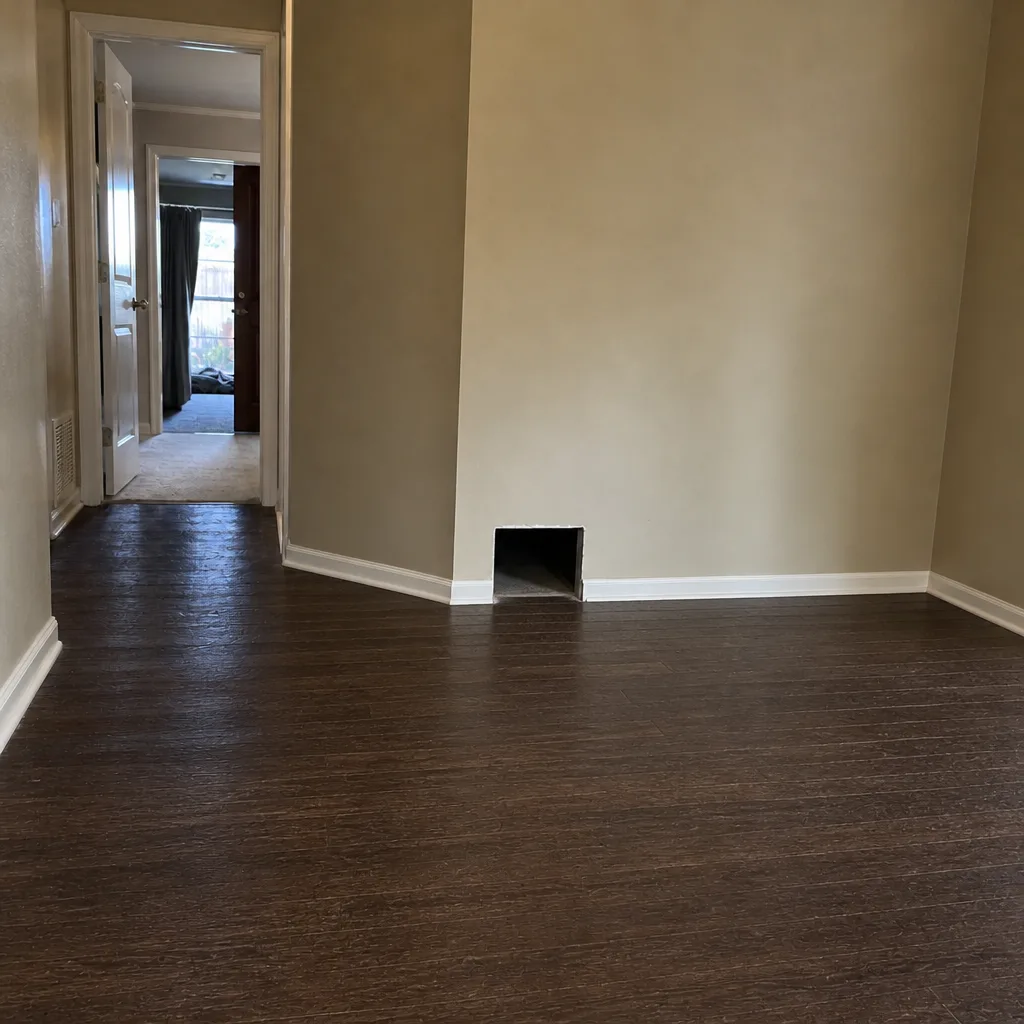
See the difference
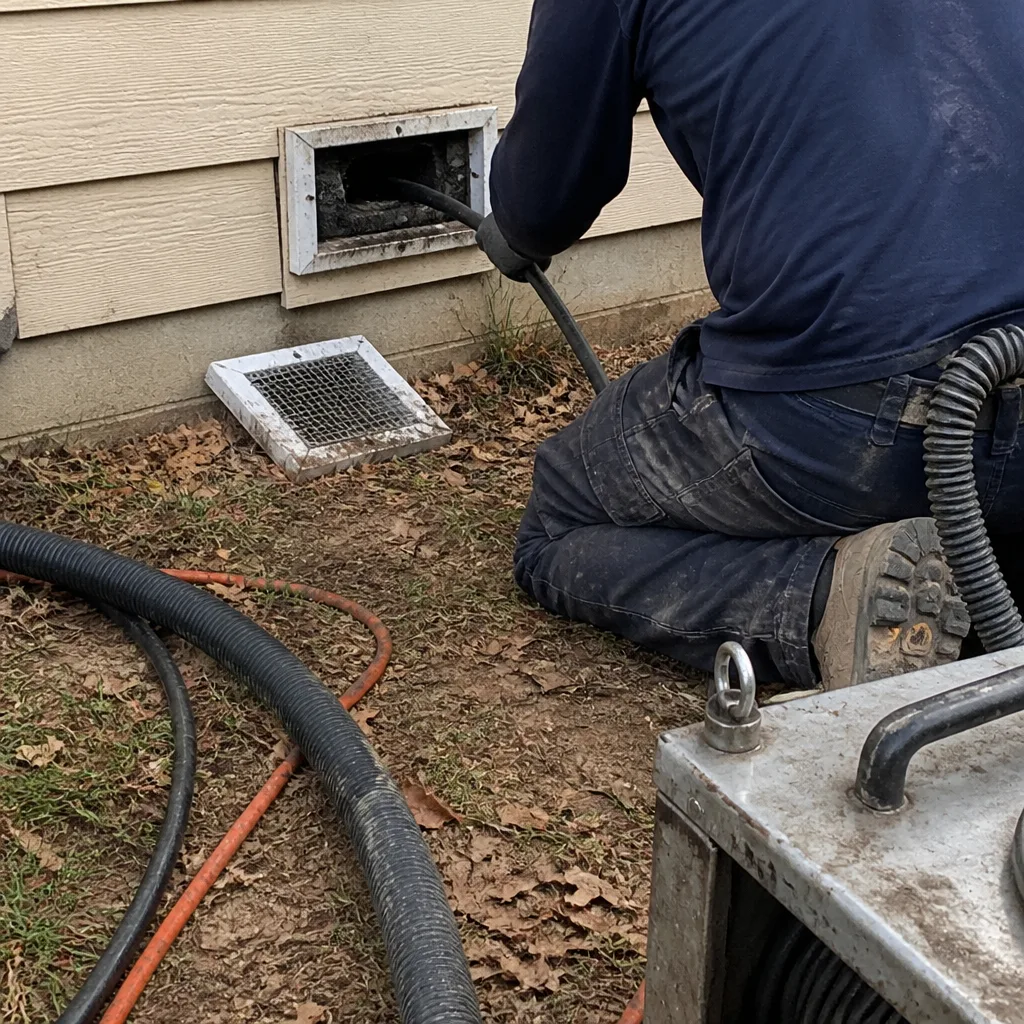 Before
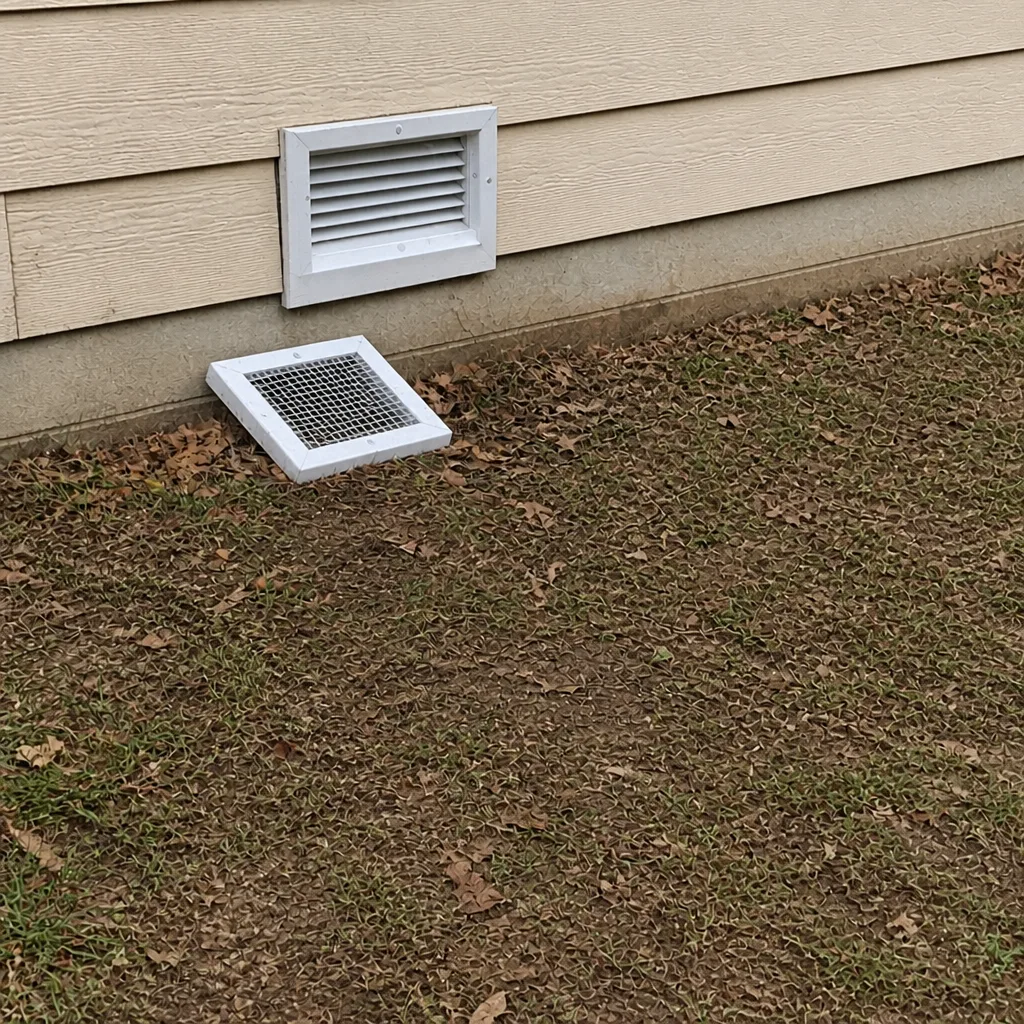 After
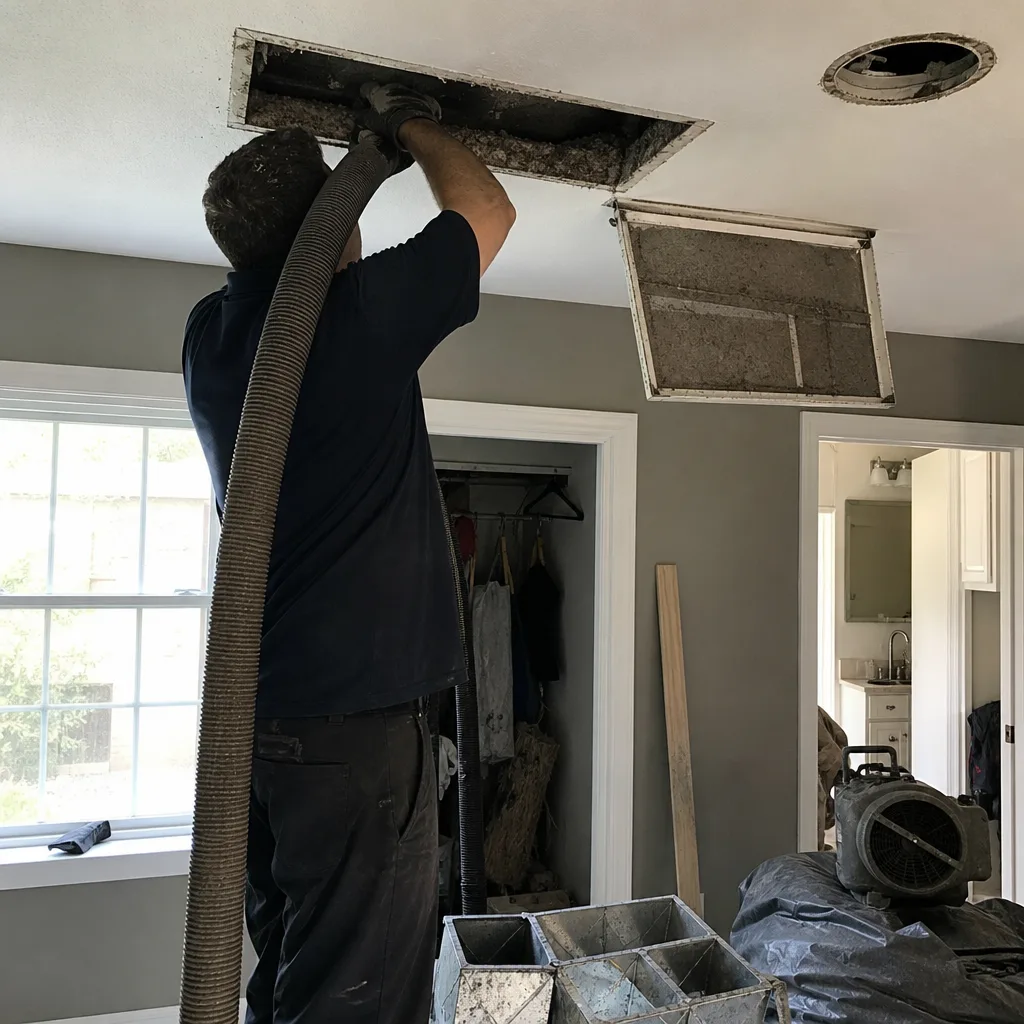 Before
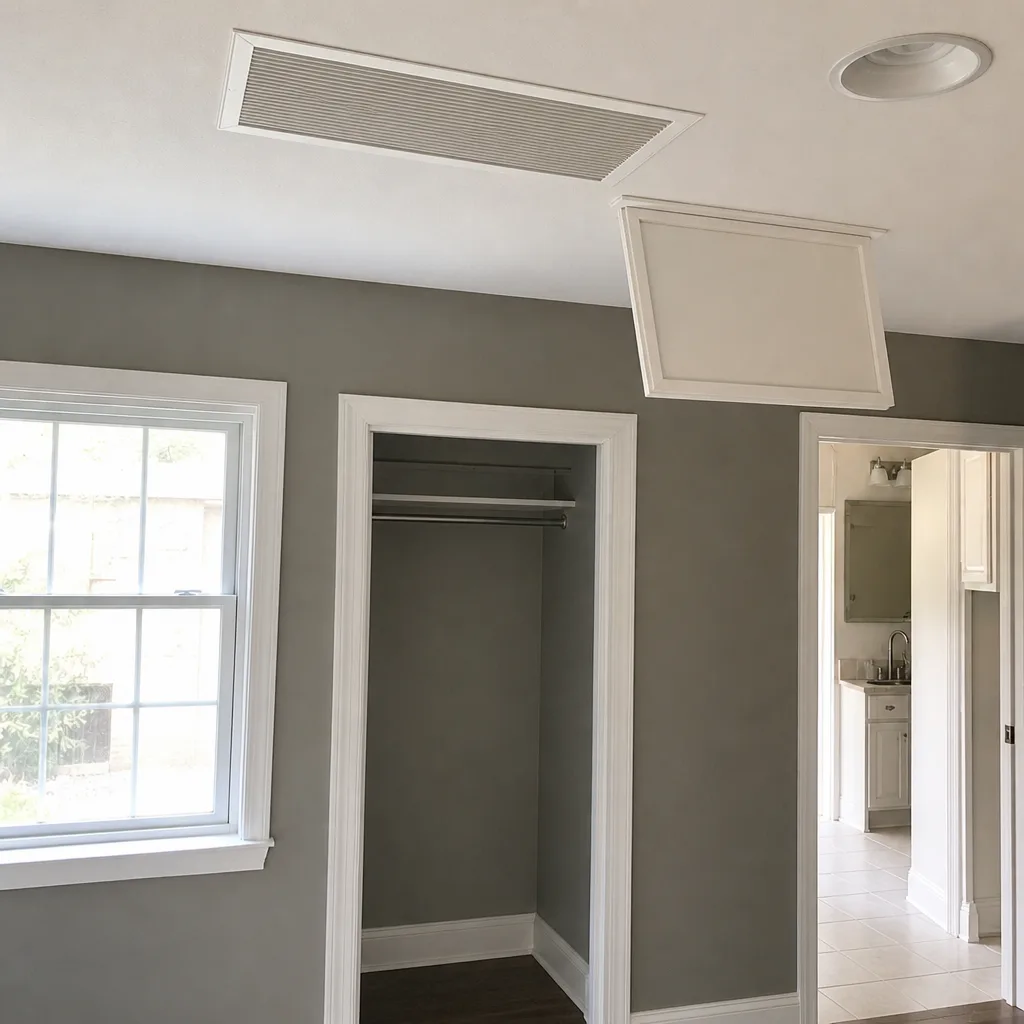 After
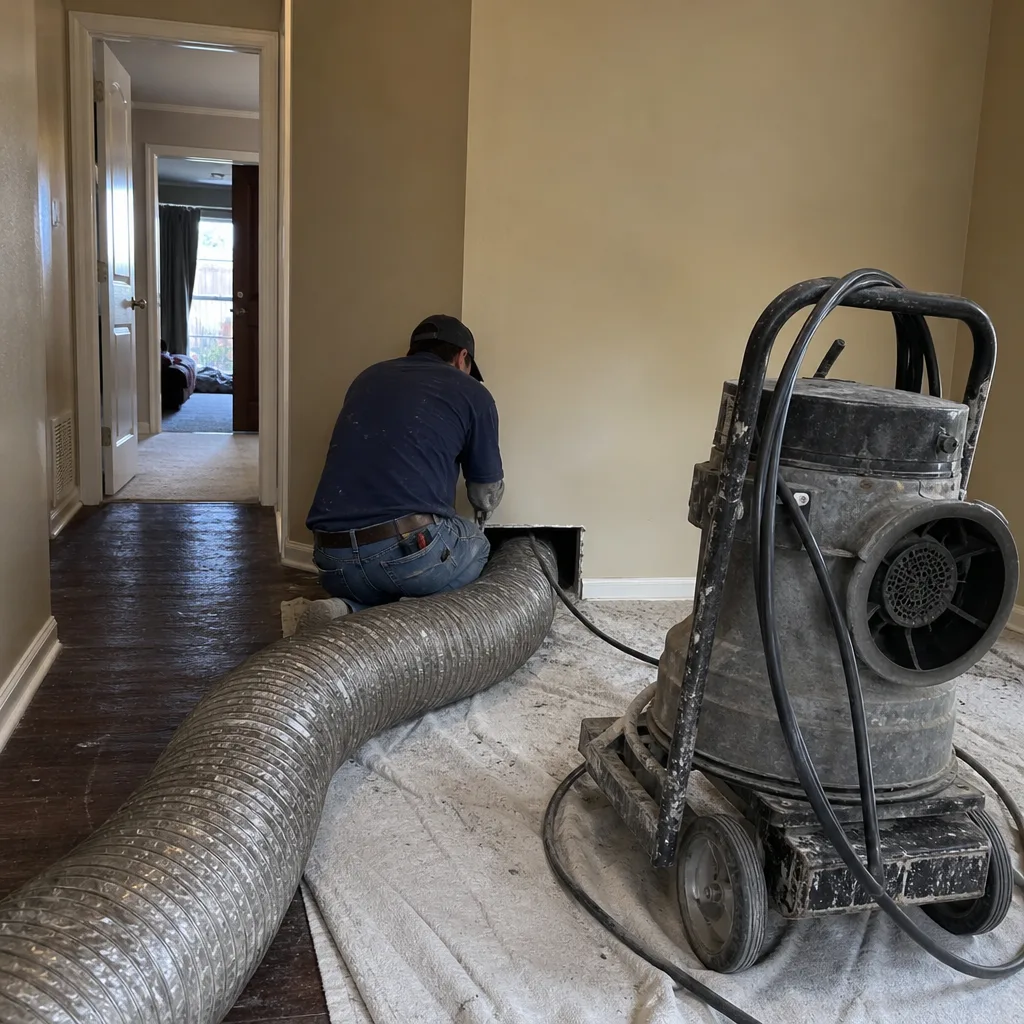 Before
 After
When to Call a Professional
Call a professional the moment a duct conversation stops being about cleaning and starts being about repair. If a technician finds a disconnected run, a crushed flex section, an unsealed plenum gap, or conditions suggesting moisture inside the system, that’s mechanical scope work and it needs a contractor who can repair it correctly, document it, and handle the permit and code side where required. Call us too if you’re uncertain whether a scope is cleaning or repair, because the distinction matters more than most homeowners realize.
Duct Cleaning Tyler offers free estimates in Tyler – call (877) 610-4987. We answer 24/7. Fast dispatch from 7am to 7pm, Sunday through Friday. Three services under one provider – air duct cleaning, dryer vent cleaning, and air duct repair – means a single visit can audit the system, act on what it finds, and document the work. Our technicians have up to 14 years of experience. Learn more about the Tyler service area and how we approach a full system evaluation.
Frequently Asked Questions
No. Routine air duct cleaning is treated as maintenance and generally doesn’t require a permit in Tyler. Permits come into play when the scope involves mechanical work – repairs, replacements, modifications, or system changes. If a contractor tells you a permit is required for a cleaning, ask them to explain what mechanical scope they’re including in the quote.
Yes, and it matters. Cleaning is maintenance. Repair, replacement, and modification are mechanical work subject to Texas mechanical code and, where ducts in unconditioned space are affected, to Texas energy code for sealing. Cleaning doesn’t go through the permit process. Repair scope may. Ask which scope your quote covers before work starts, and get the answer in writing.
The transaction can slow down. A buyer’s inspector may flag the work, the buyer’s agent may request documentation that doesn’t exist, and the seller may need to bring in a licensed contractor to evaluate and, sometimes, apply for a permit retroactively. The cost and time fall on the current owner. The protection is a documented service record: written scope, before-and-after photos of your own ducts, and a permit record where one was required.
Yes, when the repairs modify ducts that serve the conditioned space, particularly ducts running through unconditioned attic space – which is common in Tyler. The code expects sealing of joints and connections, insulation to the required level, and in some scopes, leakage testing. A contractor who repairs leakage without sealing to code standard is leaving the exact problem they came to fix.
A licensed mold assessor, regulated through Texas Department of State Health Services rules. The assessor evaluates the system and, if remediation is warranted, writes the remediation protocol. A separate licensed mold remediation contractor performs the work to that protocol. A duct cleaning contractor who finds mold conditions and offers to remediate them on the spot, without an assessment and protocol, is outside the process the state requires.
Keep the written scope of work, the flat per-system price, any permit record, before-and-after photos of your own ducts, and any notes about moisture, mold, or access openings that were created and sealed. Keep them together. That file is what protects you when you sell the home or when a future contractor needs to understand what’s already been done.
The Bottom Line
Air duct cleaning in Tyler doesn’t require a permit. Duct repair, replacement, modification, and mold remediation inside ductwork occupy different regulatory territory, and that territory is where documentation, energy code sealing requirements, and state mold licensing come into play. Homeowners who understand the difference between maintenance and mechanical work protect themselves from mid-job surprises and from home sale problems created by unpermitted past repairs. Ask for a written scope, a flat per-system price, before-and-after photos of your own ducts, and a clear statement of who pulls the permit when mechanical work is part of the job. That’s what keeps duct work honest.
Call (877) 610-4987 for a free estimate. We answer 24/7. Fast dispatch from 7am to 7pm, Sunday through Friday.
Written by the team at Duct Cleaning Tyler.