
Last updated November 15, 2026
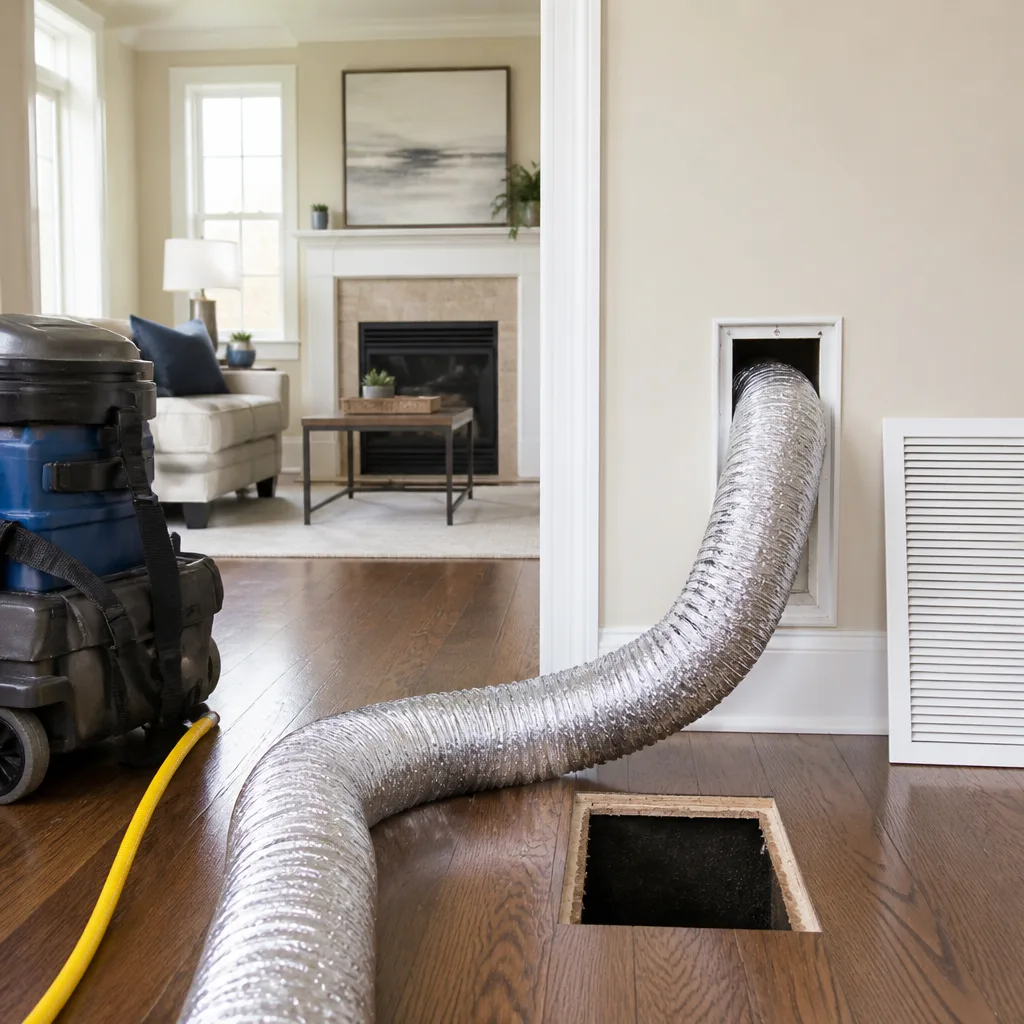 Whole-home duct cleaning
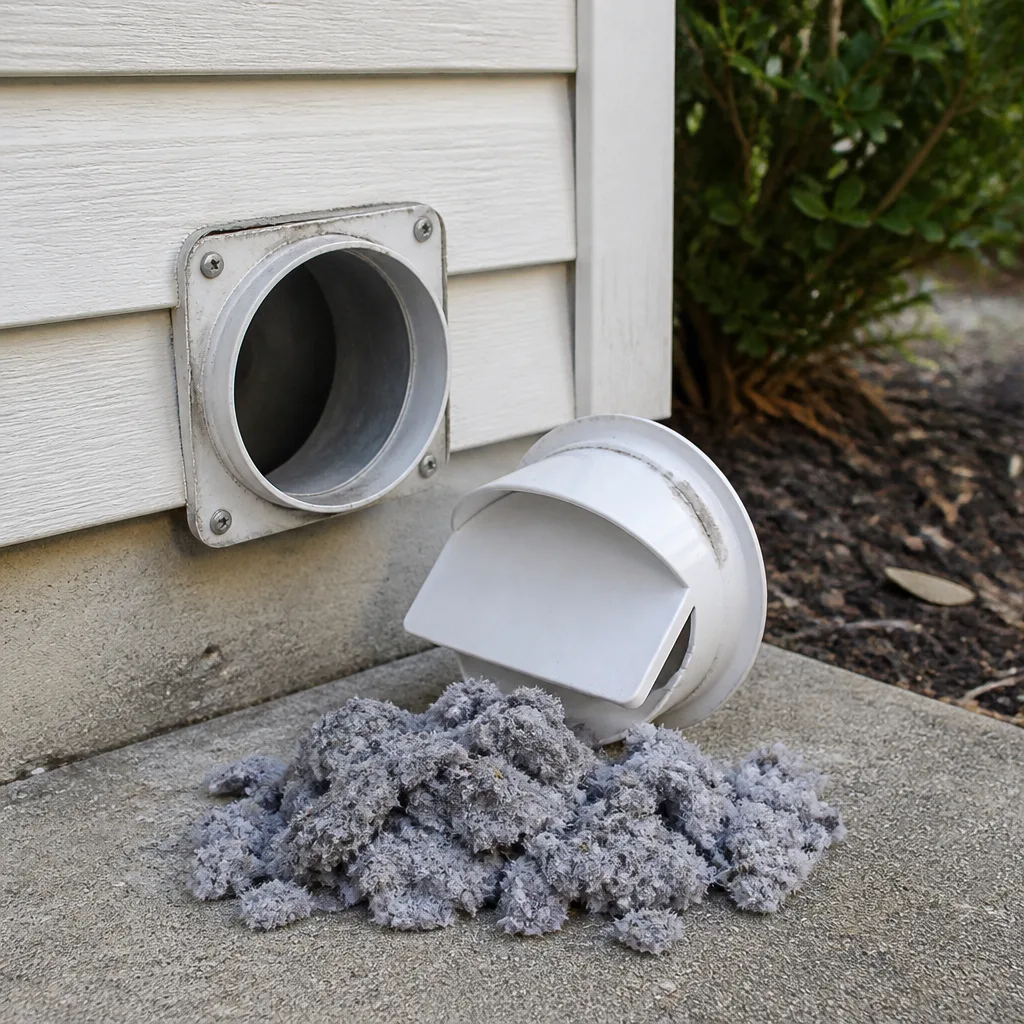 Dryer vent cleaning
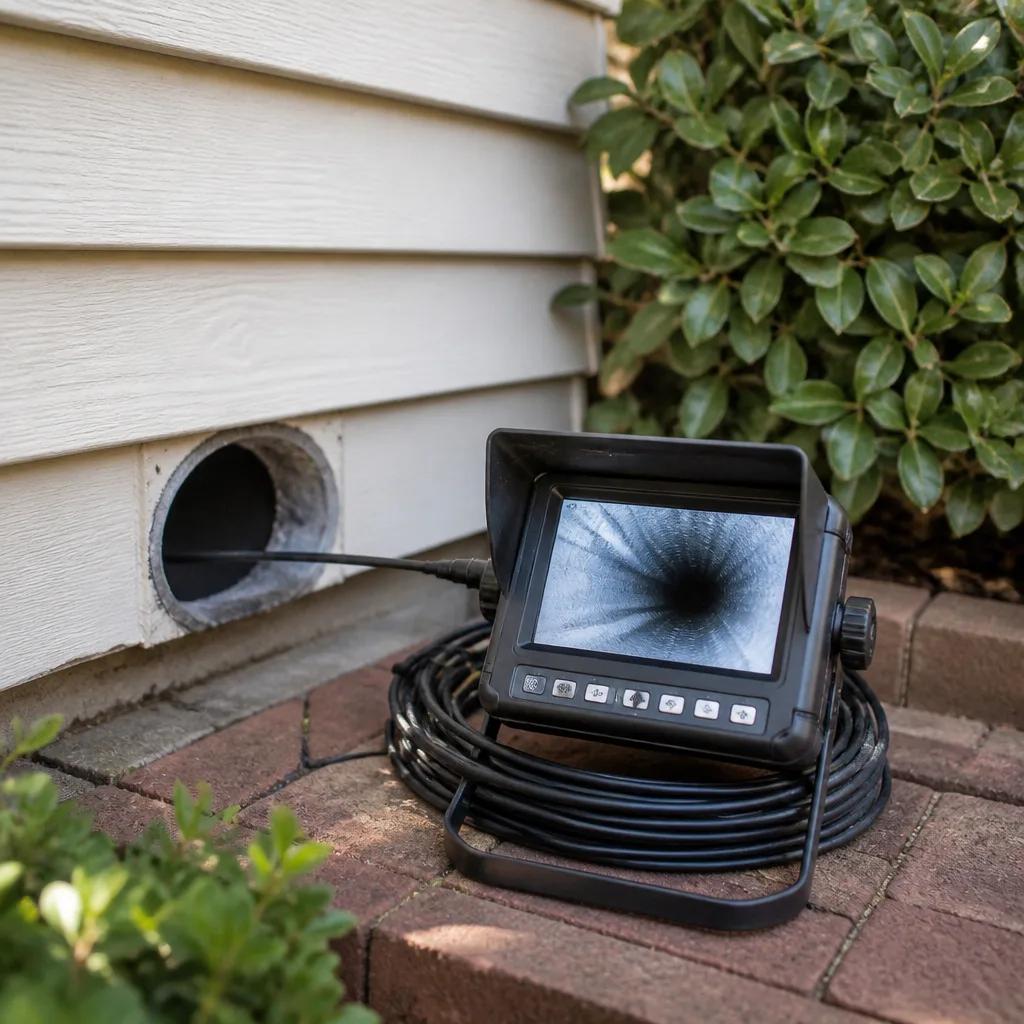 Camera inspection
 Sanitizing & deodorizing
Whole-system duct and dryer vent check with before-and-after photos - you see exactly what came out of your vents
That "$99 whole-house special" is a bait ad - the real number appears once they are in your hallway, or the "clean" is a shop-vac at the register. We photograph the inside of your ducts before and after instead.
Air Duct Cleaning Warning Signs: A Tyler Homeowner’s Reference Guide
Dust settling on the coffee table is the warning sign everyone watches for, and it’s the one that arrives last. By the time visible dust shows up on furniture in a Tyler home, duct contamination has usually been building for months through signals most of us walk past: a faint smell when the system kicks on, one room that never quite matches the thermostat, a filter that darkens faster than it used to. Those quieter signs are the ones that matter, because they tell you which problem you actually have. This guide teaches you to read the patterns, separate a contamination problem from a duct integrity problem, and make the right call instead of an expensive one.
Quick Answer
The main air duct cleaning warning signs in Tyler are visible dust streaking around registers, a musty or burning smell when the system starts, uneven room temperatures, rising energy bills, and a filter that clogs far faster than it should. The pattern matters more than any single symptom: buildup, odor and grime usually point to cleaning, while whistling, poor airflow in one zone and pressure changes usually point to air duct cleaning and repair being needed together. A duct system with damaged or disconnected sections needs repair before or alongside cleaning, never a simple sweep.
Styles & brands we work with
- Whole-home duct cleaning
- Dryer vent cleaning
- Camera inspection
- Sanitizing & deodorizing
Table of Contents
- Why Your Duct Symptoms Form Patterns, Not a Random List
- Cleaning Signs vs. Duct Integrity Signs: How to Tell Them Apart
- Reading Your Registers and Return Grilles
- Odor Diagnostics: Musty, Burning, and Chemical Smells
- HVAC Performance Signs That Actually Start in the Ducts
- East Texas Triggers: Pollen, Pine, Red Clay, and Attic Heat
- Dryer Vent Warning Signs: A Separate Safety Category
- A Step-by-Step Process for Evaluating Your Own System
Why Your Duct Symptoms Form Patterns, Not a Random List
A duct system fails in one of three broad ways, and each one leaves a different signature. Contamination is what most people picture: dust, dander, pollen and biological growth collecting on the inside walls of the ducts. Leakage is a pressure problem, where air escapes through gaps, disconnected joints or punctured runs before it reaches a room. Mechanical failure covers the harder cases: sagging flex duct, collapsed sections, crushed fittings, and runs that were installed poorly and have never delivered their stated airflow. In our experience in Tyler, the three overlap more often than not, and that’s exactly why a symptom-by-symptom approach falls apart.
If you react to a single sign and book a cleaning, you may spend money on a system that needed a repair first. If you assume every cold room is a cleaning issue, you can clean a perfectly clean duct and still have a freezing back bedroom. The pattern is the diagnostic tool. Contamination leans on buildup, texture, odor and filter loading. Integrity problems lean on airflow, whistling, pressure and zone performance. When you can classify what you’re seeing, you can tell a technician what to check, and you’ll get a more useful visit.
- Contamination pattern: darkening registers, musty smell, rapid filter clogging, dust trails near supply vents.
- Integrity pattern: whistling at a register, one room chronically cold, higher bills with no change in usage, visible gaps at flexible duct connections.
- Mechanical pattern: a run that barely delivers air, sudden airflow loss after a remodel, rattling or sagging sections behind a grille.
Tyler’s housing stock includes plenty of older homes where the original duct layout has been modified more than once, which muddies the pattern further. A room addition, an attic conversion or a replacement air handler can all leave a duct system with runs that no longer match the equipment. That’s the kind of thing we schedule a full evaluation for, because cleaning without addressing it just pushes dust through the same broken path.
Cleaning Signs vs. Duct Integrity Signs: How to Tell Them Apart
The costliest mistake we see is confusing a dirty duct problem with a broken duct problem. Cleaning addresses what’s inside the duct wall. Repair addresses the duct itself: sealed joints, reconnected runs, straightened crushed sections, replaced flex where it’s failed. If you pay for a cleaning on a system with a large return leak in a hot East Texas attic, you’ve cleaned the ducts and left the ceiling’s heat getting pulled straight into your living room. The system will still underperform, and you’ll rightly feel like the money didn’t do what you were told it would.
- Run your hand over a register face. A light, even film of dust is normal. Thick, dark, greasy buildup or a ring of black around the grille edge points to contamination, not a leak.
- Listen with the system running. Whistling, hissing, or a rush of air you can hear from across the room usually means a loose joint or a leak, not a dirty duct.
- Feel the airflow at each supply register. If one room’s airflow is dramatically weaker than the others and stays weak, suspect a kink, a disconnected flex run or a collapsed section.
- Check the ceiling or floor around the grille for staining. Water staining points to moisture in the system, which is a contamination and repair question at once.
- Look at the air handler closet or mechanical space. Visible gaps at the duct connection, hanging flex or unsealed penetrations are integrity signs.
When both patterns show up together (which is common in Tyler), the right sequence is usually an evaluation, then repair of the integrity issues, then cleaning. That’s why we offer air duct repair as its own service alongside cleaning. A clean-only provider will clean what they can reach and leave the gaps, and the homeowner ends up sourcing a second contractor to finish the job.
Reading Your Registers and Return Grilles
Your supply registers and return grilles are the only part of the system you can actually inspect without opening it up, and they carry real diagnostic information. Look at them with a flashlight in good light, not by glancing from across the room. The color, texture and location of buildup each tell a different story, and reading them correctly narrows the problem before anyone picks up a tool.
- Light gray, dry, even film: typical household dust. Normal for any Tyler home and not on its own a reason to book a cleaning.
- Dark gray to black streak trailing from the grille: long-term contamination inside the duct run, or a filter that’s been overwhelmed. Cleaning is often warranted.
- Fuzzy, textured, or greenish-black spots: biological growth. This means moisture is present somewhere in the system, which needs to be found before it’s cleaned.
- Concentrated buildup around the return grille and not the supplies: the return is pulling contaminated air through a leak or an unfiltered path.
- Buildup visible on the plenum and air handler cabinet surfaces: contamination is spreading from inside the system; this deserves professional attention.
- Rust or water rings at the grille edges: a moisture problem, not just dust.
One detail that surprises Tyler homeowners: the return grille often tells you more than the supplies. Returns are the intake side, so they show you what the system is pulling in before the filter catches it. If a return in an attic or a garage-adjacent wall is drawing on unfiltered air, the grime will show there first, and you’ll see it spread to the supplies over time. The professional systems we use, including Rotobrush and Nikro equipment, are built to address that contamination properly, rather than just vacuum the grille face and move on. Before you call, take a photo of each register that worries you; it’s far easier to talk through a pattern when you can see it.
Odor Diagnostics: Musty, Burning, and Chemical Smells
Smell is the single most useful signal a duct system gives you, and almost nobody uses it. It cuts through the guesswork because different problems produce chemically different odors, and each demands a different response. A musty smell is a moisture question. A burning smell is an immediate safety question. A chemical smell is a materials question. Treating them all as “a dirty duct smell” wastes time and can leave a real hazard in place.
- Musty, damp, or earthy: moisture is trapped somewhere in the system, and biological growth becomes a risk. It’s often tied to high summer humidity around Tyler, a poorly draining condensate line or a return that draws from a crawlspace. Don’t clean over it; find the moisture source first.
- Burning, hot, or electrical: debris is collecting next to a heat source, or an electrical component is overheating inside the air handler. Turn the system off, and call for professional evaluation before running it again. This is a safety issue, not a cleaning appointment.
- Chemical, plastic, or harsh, “new car” smell: off-gassing from duct liner, sealant or a recently installed component. Some materials need time to cure; some need investigation, especially if the smell has never gone away since a system change.
When we investigate an odor complaint, we’re looking for the source first and the cleanup second. A smell that returns a week after a cleaning means the cause was never found. For Tyler homes with recent insulation or air handling changes, the chemical signature is worth paying attention to rather than dismissing, since the difference between a normal brief cure and a lasting off-gas is worth having checked by someone familiar with residential air quality products like Honeywell and Aprilaire systems commonly installed in East Texas homes.
HVAC Performance Signs That Actually Start in the Ducts
A lot of “my AC is going bad” calls turn out to be duct problems wearing an HVAC costume. Uneven temperatures, rising utility bills and short cycling are the three most common symptoms that get blamed on the equipment but originate downstream in the ductwork. Knowing this saves you from paying to replace a component that isn’t the cause.
- Uneven temperatures: a room that never reaches the thermostat setting usually has an airflow problem, not a capacity problem. Leaks, kinks, long runs and undersized ducts are the usual suspects.
- Rising utility bills: a system pulling hot attic air through return leaks, or pushing cooled air into a duct run that never reaches a room, works harder for less. Your bill goes up before your comfort notice changes.
- Short cycling: if the system turns on and off more often than it should, the ducts may be sending conditioned air to the wrong place. The thermostat reads a satisfied room while others stay uncomfortable, so the cycle starts again.
- Equipment replacement that didn’t help: a new air handler on an unbalanced duct system will underperform exactly like the old one did.
The right first step is measuring, not guessing. A technician can check static pressure across the duct system to see whether the equipment is fighting the ductwork for every cubic foot of air it delivers. If it is, the fix is in the ducts. In our experience, this is where good duct cleaning and honest repair work in Tyler overlap most, because the same visit can clean the system and find the constrictions, leaks or crushed runs that cleaning alone wouldn’t fix.
East Texas Triggers: Pollen, Pine, Red Clay, and Attic Heat
Generic duct guides are written for the national average, and the national average doesn’t look like Tyler. The specific combination of things in the East Texas air and landscape produces warning signs most guides never mention, and they change how often a system needs attention and what type. If you’ve moved here from elsewhere, the difference can catch you off guard.
- High pollen counts: the East Texas spring pollen load is heavy enough that a system working with a marginal filter can’t keep up. If your filter clogs much faster than it did in another city, that’s the local pollen signature, and it accelerates indoor contamination.
- Pine sap: pine is everywhere around Tyler, and fine pine debris and sap-laden material can make its way onto return grilles and into outdoor units. Sticky, dark buildup near a return is often related to what’s airborne outside.
- Red clay intrusion: East Texas red clay tracks indoors on shoes and pets during wet weather. Fine clay particles are abrasive and sticky, and they collect on duct walls differently than ordinary dust, which is one reason cleaning buildup here doesn’t look like the examples in a national guide.
- Attic heat: Tyler attics get very hot in summer, and any duct leak in an attic space pulls in superheated air before it’s conditioned. Return leaks in a hot attic are one of the most expensive duct problems we see, and they show up first on a utility bill.
Put together, these mean a Tyler home may need duct evaluation sooner than the general “every few years” advice suggests, especially if a home has a lot of pine nearby, a large yard, or a return path that runs through an attic. None of that is a reason to panic; it’s a reason to know what you’re looking for and to look at the right times of year. Late winter, before pollen season, is a sensible time to check the system, and again in the fall before heating season starts.
Dryer Vent Warning Signs: A Separate Safety Category
Dryer vents share the word “vent” with HVAC ducts and almost nothing else, and treating them as an afterthought is one of the more dangerous shortcuts a homeowner can take. A clogged dryer vent restricts hot, moisture-laden air and lint, and it’s a recognized cause of residential fires. This is a safety problem, not a convenience one, and it deserves to be looked at on its own schedule, not squeezed in after a routine duct cleaning.
The warning signs of a restricted dryer vent are easy to spot once you know them:
- Clothes take noticeably longer than they used to in the dryer, or a load needs a second cycle.
- The outside of the dryer gets hot to the touch during a normal cycle.
- The laundry room stays humid or foggy during drying.
- A burning or “hot” smell in the laundry area while the dryer runs.
- Lint visible around the outside vent flap, or a flap that doesn’t open fully when the dryer runs.
Lint that accumulates inside the vent line narrows the path for hot air, and the dryer runs hotter to finish the load. That’s a direct thermal risk, and it’s why we offer dryer vent cleaning as a dedicated service rather than a casual add-on. If any of the signs above are showing up, don’t wait for the next duct cleaning; treat it like the fire-safety issue it is. A clogged dryer vent is worth fixing on its own schedule, and it’s the kind of check a homeowner can do at the outside wall in under a minute.
A Step-by-Step Process for Evaluating Your Own System
You don’t need to disassemble anything to make a good first pass at your own duct system. You need a flashlight, a couple of minutes at each register, and a notebook or phone camera to record what you find. This is a reading exercise, not a DIY repair, and anything that involves opening ductwork, handling the air handler, or working inside a hot attic is a job for a trained technician.
- Walk the house and photograph each register and return. Note which ones look dirty and which look clean, so you can spot a pattern rather than a single grille.
- Turn the system on and listen. Write down any whistling, hissing, rattling or airflow noise, and where it’s coming from.
- Feel the airflow at each supply. A light tissue held near the register will show you which rooms are starving and which are strong.
- Smell the air at the return and at one central supply. Note whether it’s musty, burning, chemical, or nothing.
- Check the filter. Write the date you changed it, and check it again in two weeks. Rapid darkening is one of the clearest contamination signs there is.
- Check the dryer vent flue from the outside while the dryer runs. A flap that barely moves is a warning sign.
- Record anything unusual in the utility bill. Compare this month to the same month last year, with usage normalized, so you can catch a trend.
Bring that list to a professional conversation, and the evaluation is faster and more useful. We use professional-grade Rotobrush and Nikro equipment because they let us both evaluate and clean in the same visit, and we bring repair capability to the table for what turns up. If you’re hunting for a local provider, our Tyler service page is the right starting point, and you can also read more about how we schedule work on the Duct Cleaning Tyler homepage.
Common Mistakes to Avoid
- Booking a cleaning before ruling out a duct leak. You’ll pay for a cleaned system that still underperforms and won’t understand why. Ask the provider to check for leaks and disconnected runs before they start.
- Ignoring a burning smell and running the system anyway. Burning smells need investigation before another cycle, not after the weekend. This is a safety matter, full stop.
- Treating faster filter loading as normal. A filter that darkens in two weeks in Tyler is telling you something. Rapid loading usually points to unfiltered air entering the system, which is a fixable problem.
- Assuming a new HVAC unit will fix an airflow problem. Replacing the equipment on a broken duct system is expensive and usually doesn’t deliver the comfort you were promised. Look at the ducts first.
- Putting off dryer vent cleaning because “the dryer still works.” A dryer can run fine and still carry a real fire risk in a restricted vent. This deserves its own schedule.
- Choosing a bid based on the lowest price alone. A single-service sweep can’t fix what it finds, so the low price often means a second call to a second contractor, and the total goes up.
- Skipping the register inspection. Two minutes with a flashlight at each grille saves hours of “why is my back bedroom so hot” conversations later.
See the difference
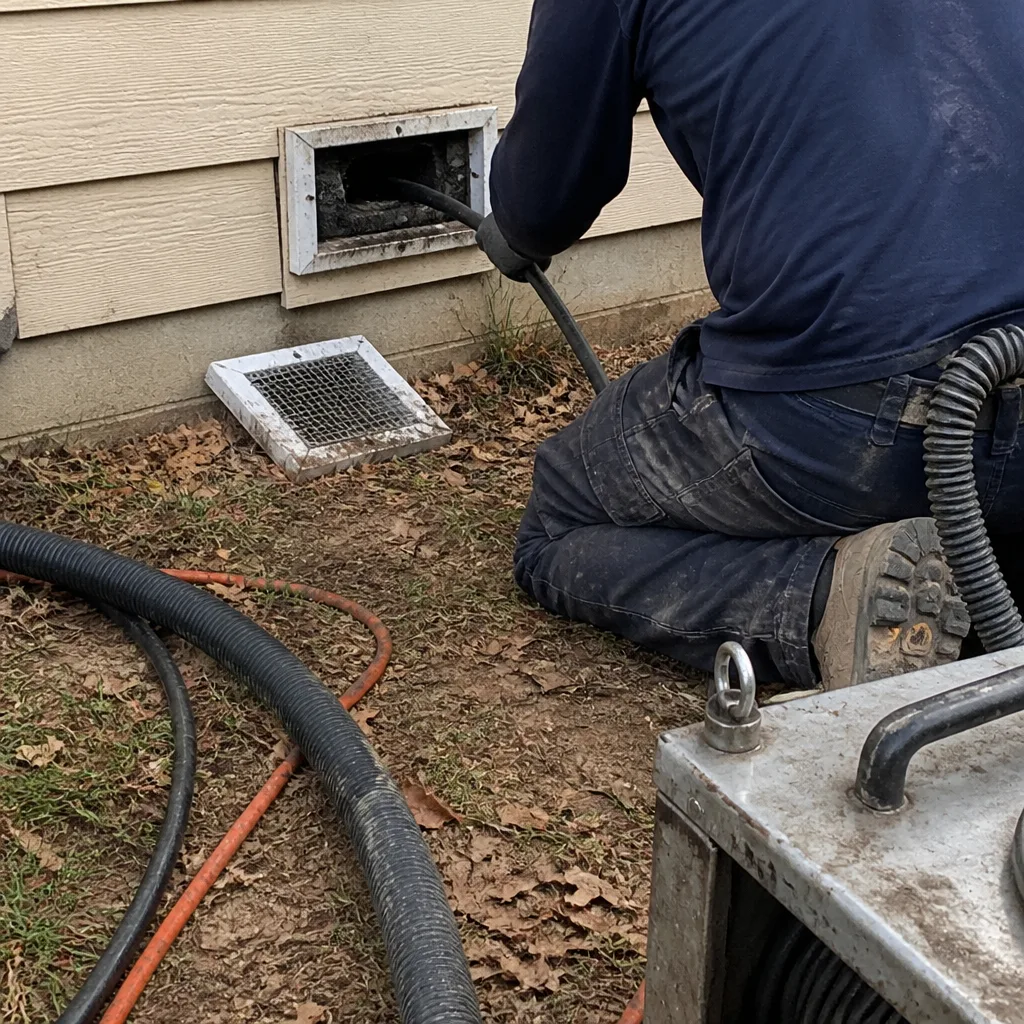 Before
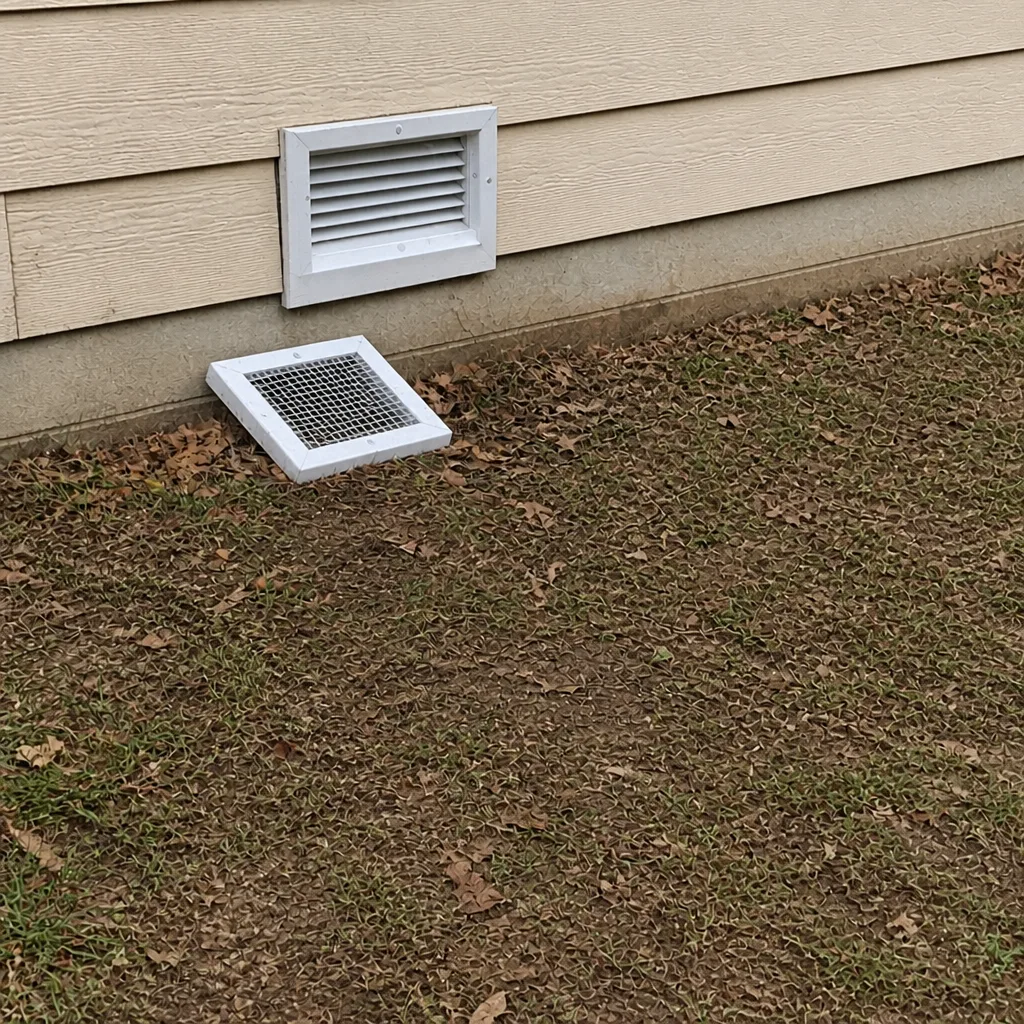 After
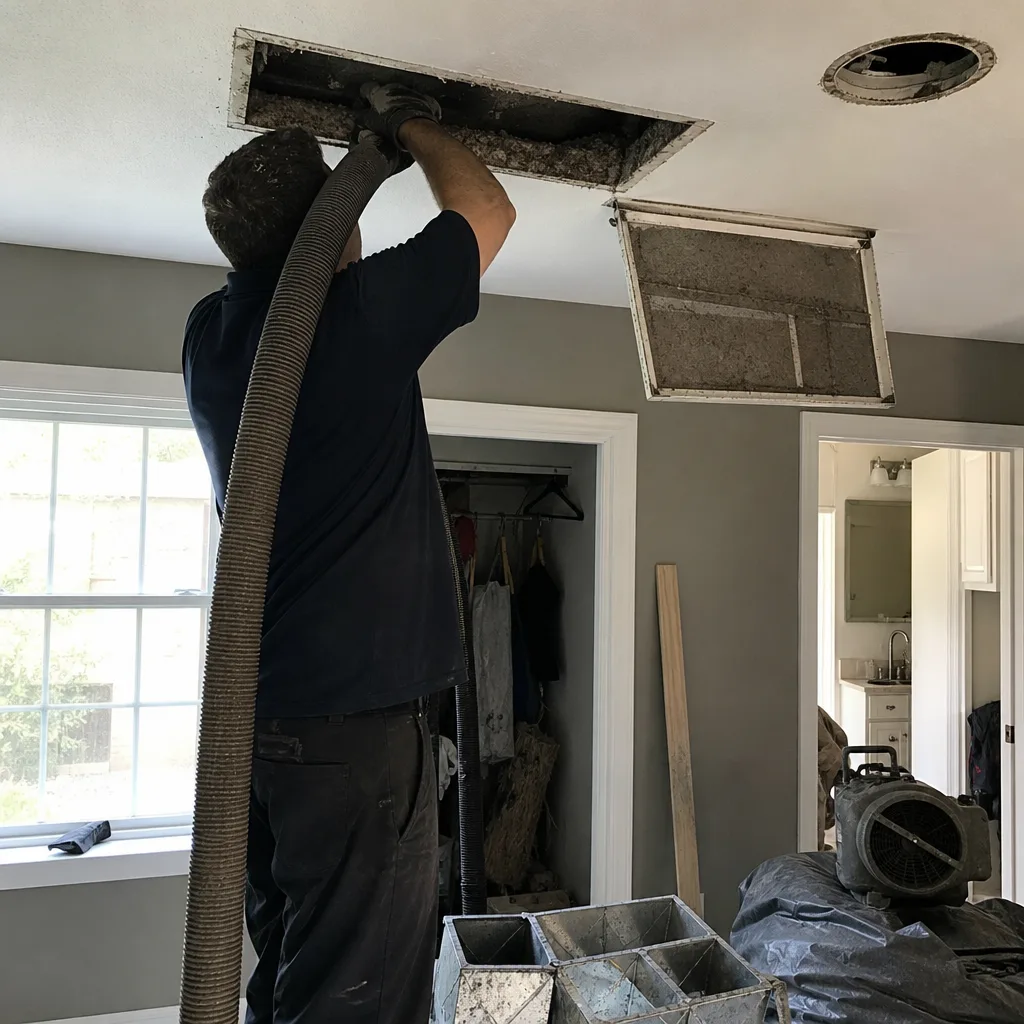 Before
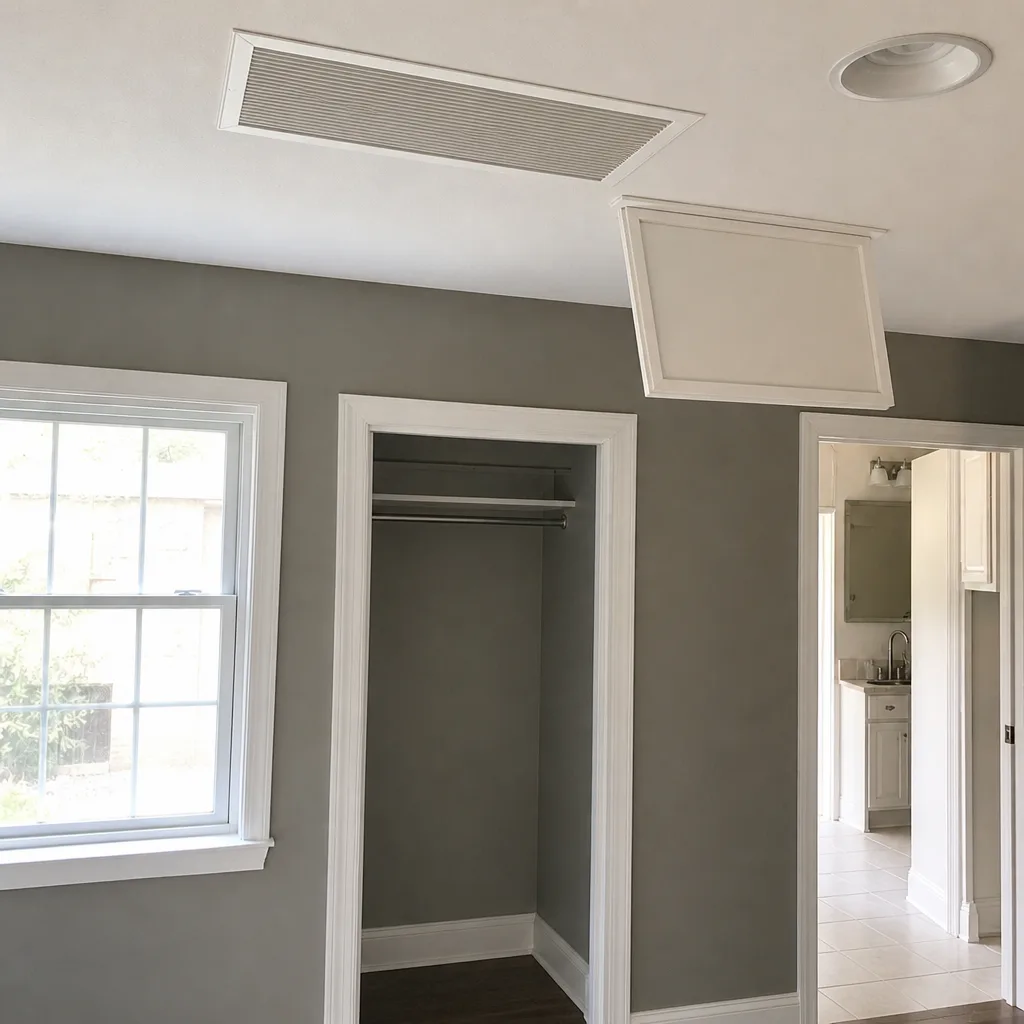 After
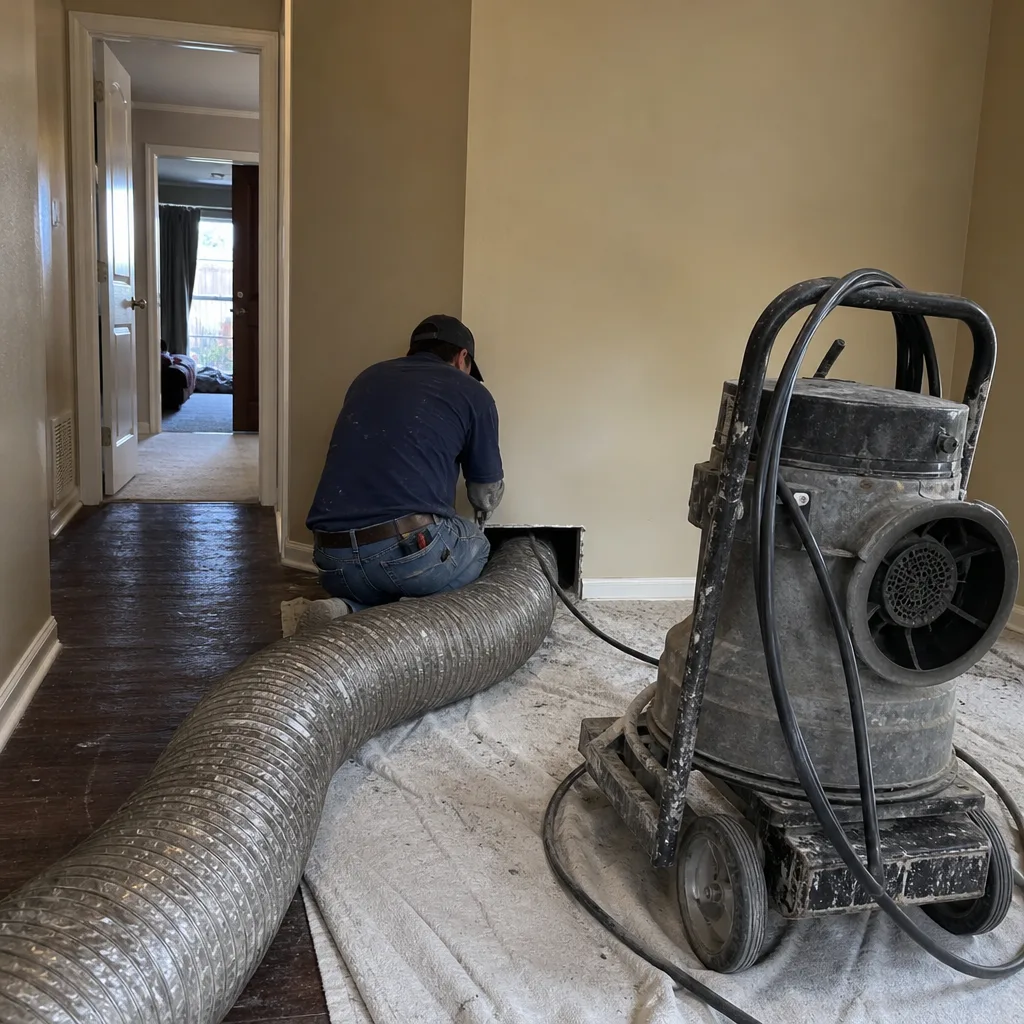 Before
 After
When to Call a Professional
Call a professional when you can’t find the source of a musty or chemical odor, or when the smell returns after a cleaning. Call when a burning smell appears anywhere near the air handler or the dryer, and stop running the equipment until it’s checked. Call when you see visible gaps, sagging or disconnected ductwork, or when one room’s airflow is dramatically weaker than the rest. Call for a dryer vent that isn’t opening fully or that takes a load far longer than it used to. And call when your utility bill climbs without a change in habits, since that’s one of the strongest duct integrity signals there is.
Duct Cleaning Tyler offers free estimates in Tyler. We can evaluate the whole system in one visit, using professional-grade equipment and repair capability, so you’re not handed off to a second contractor mid-job. Call (877) 610-4987 to schedule an evaluation.
Frequently Asked Questions
Look for a pattern, not a single sign. Visible dark buildup on the return and supply grilles, a musty smell when the system starts, a filter that clogs much faster than it used to, and dust trails near registers together justify a professional look. A light, even film of dust alone does not.
Dirty ducts have contamination inside the duct walls; broken ducts have leaks, disconnected joints or crushed runs that prevent conditioned air from reaching rooms. Cleaning fixes the first, repair fixes the second, and in Tyler we often find both present at once. A proper evaluation identifies which is which before any work starts.
A faint smell on the first heat cycle after months off can be dust burning off the heat exchanger, but a strong or repeated burning smell is a stop-running-now signal. Turn the system off and call for an evaluation before running it again. This is a safety issue, not a cleaning appointment.
East Texas pollen, pine debris and red clay all contribute to faster filter loading than in most places. A filter that clogs quickly could be normal for the local environment, or could be pulling unfiltered air through a leak. A pressure check tells you which, and a quick comparison to the same season last year gives you a useful baseline.
Maybe, and only after a leak check. Cleaning a duct system on equipment that’s about to be replaced can still be worthwhile, but only if the ducts are sound. If a replacement is coming, address the duct integrity first, so the new equipment isn’t fighting the same leaks the old one did.
No. A shop vac pulls on the register face and adds dust to the air; it doesn’t clean inside the duct run, and it can’t reach the plenum or the branches. Professional equipment like Rotobrush and Nikro systems are built for the job, and anything involving the air handler or a hot attic is work for a trained technician.
The Bottom Line
Duct warning signs are not random; they form patterns, and the pattern tells you whether you’re looking at contamination, a duct integrity problem, or the two together. Read your registers with a flashlight, listen to the system, smell the air, and watch your filter and your utility bill. Those four habits will catch the subtle signals long before visible dust shows up on the furniture, and they’ll tell you whether the next call should be for cleaning, for repair, or for a dryer vent safety check. If you want the full evaluation in one visit, call (877) 610-4987. We answer 24/7. Fast dispatch from 7am to 7pm, Sunday through Friday.
Written by the team at Duct Cleaning Tyler.