
Last updated November 15, 2026
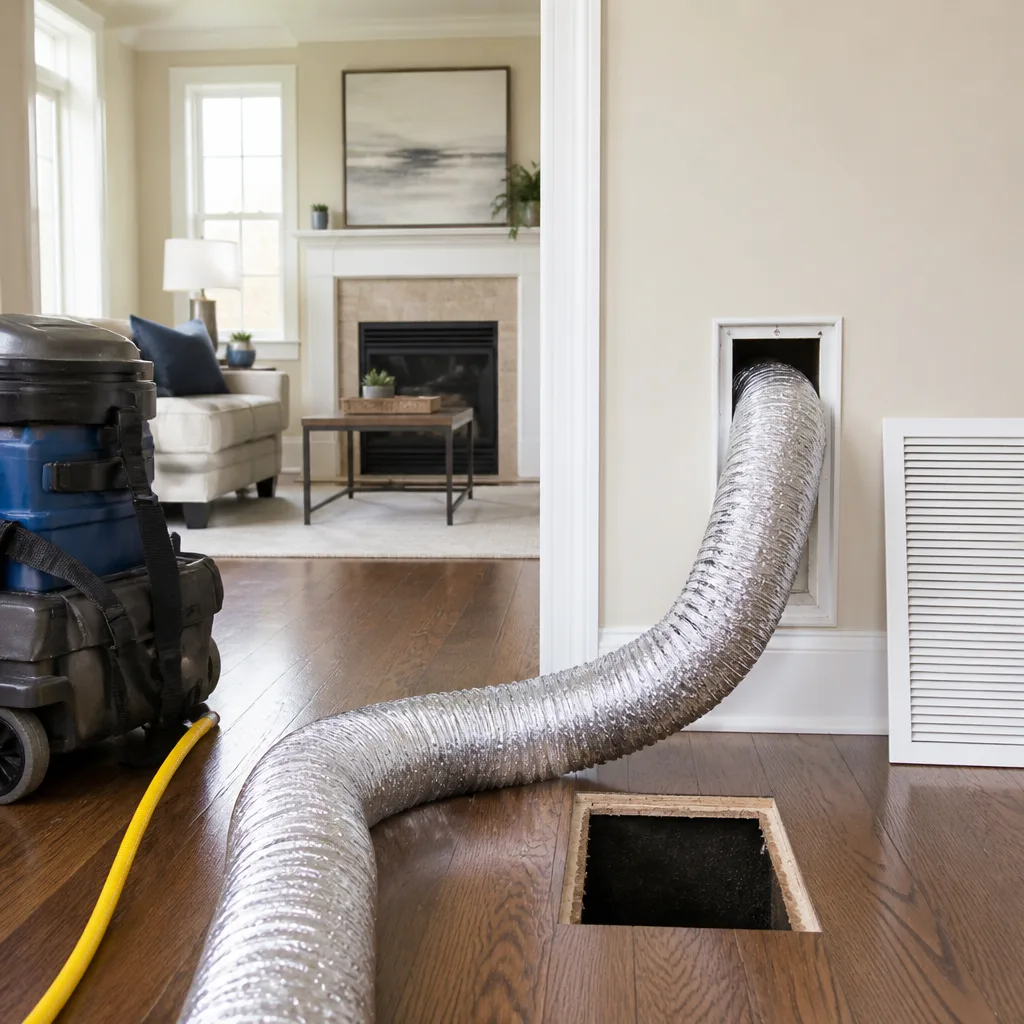 Whole-home duct cleaning
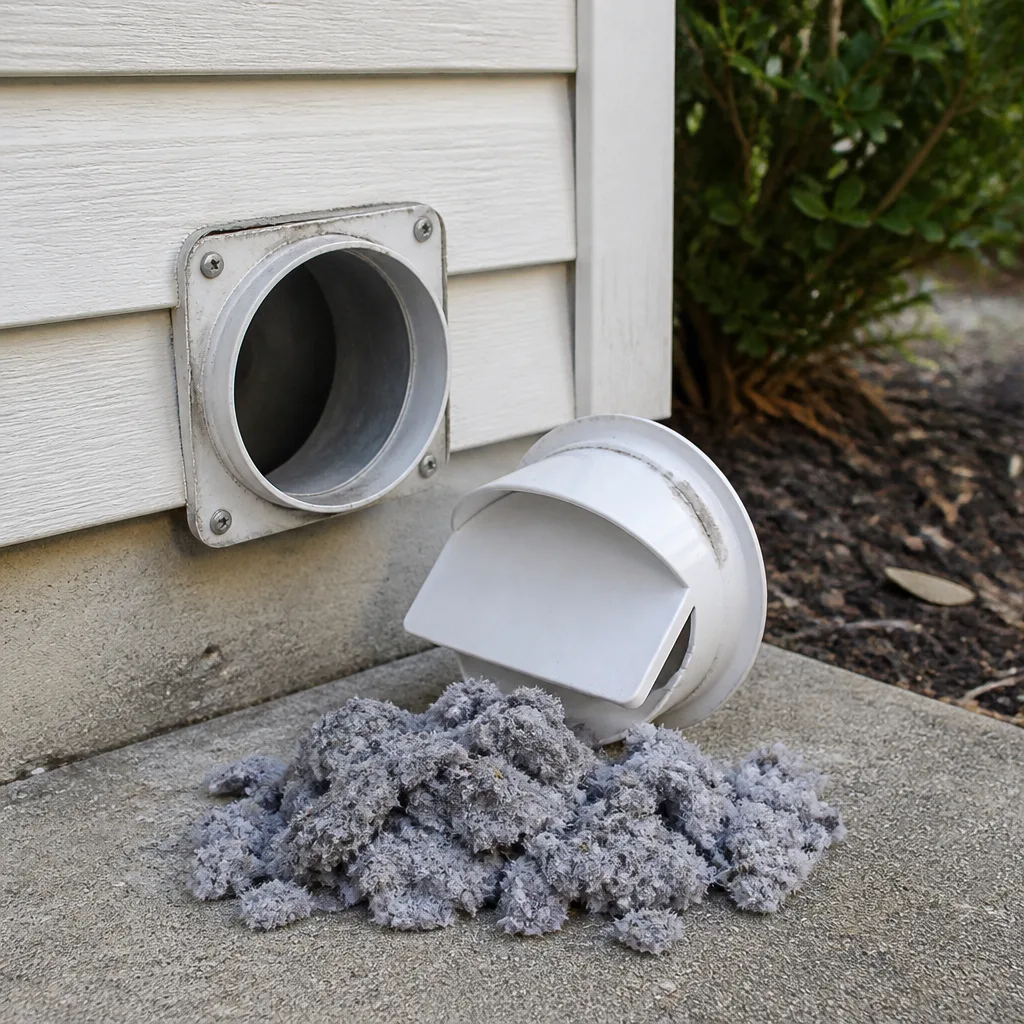 Dryer vent cleaning
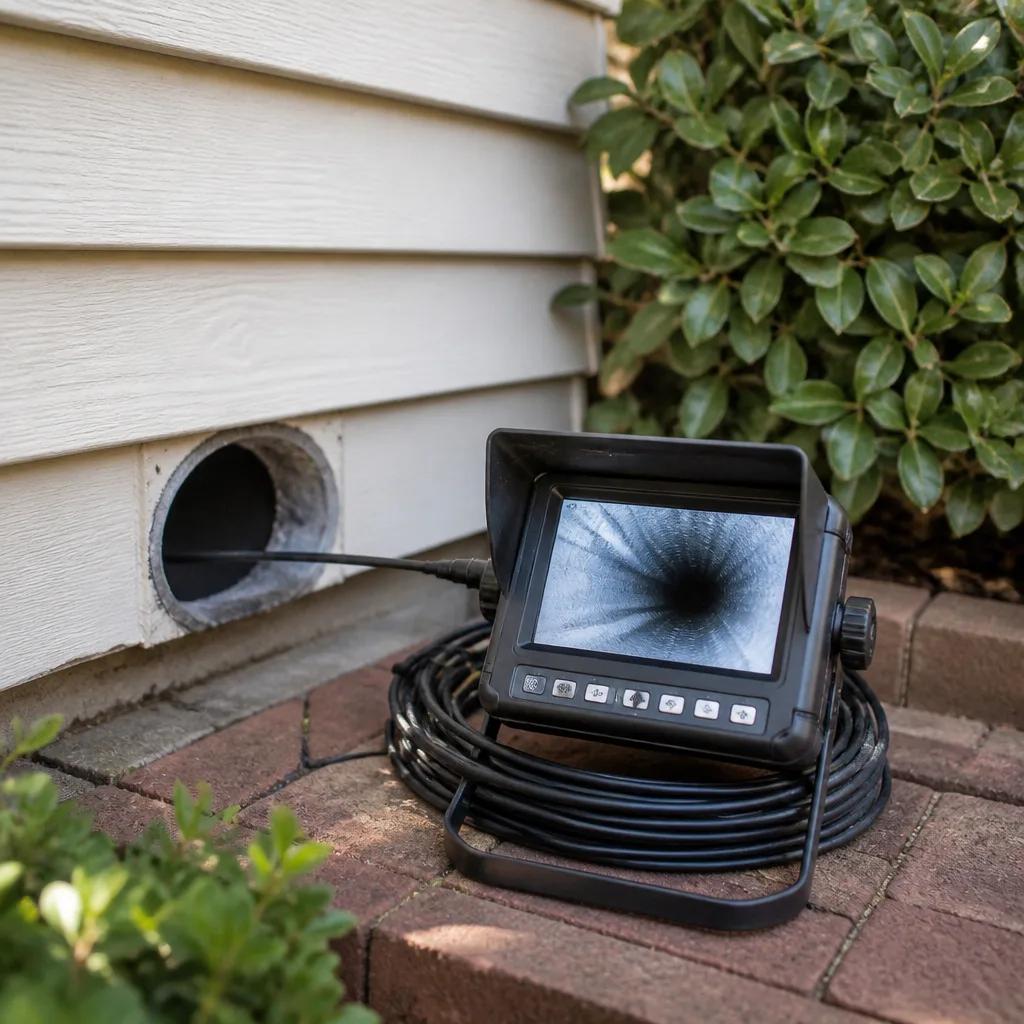 Camera inspection
 Sanitizing & deodorizing
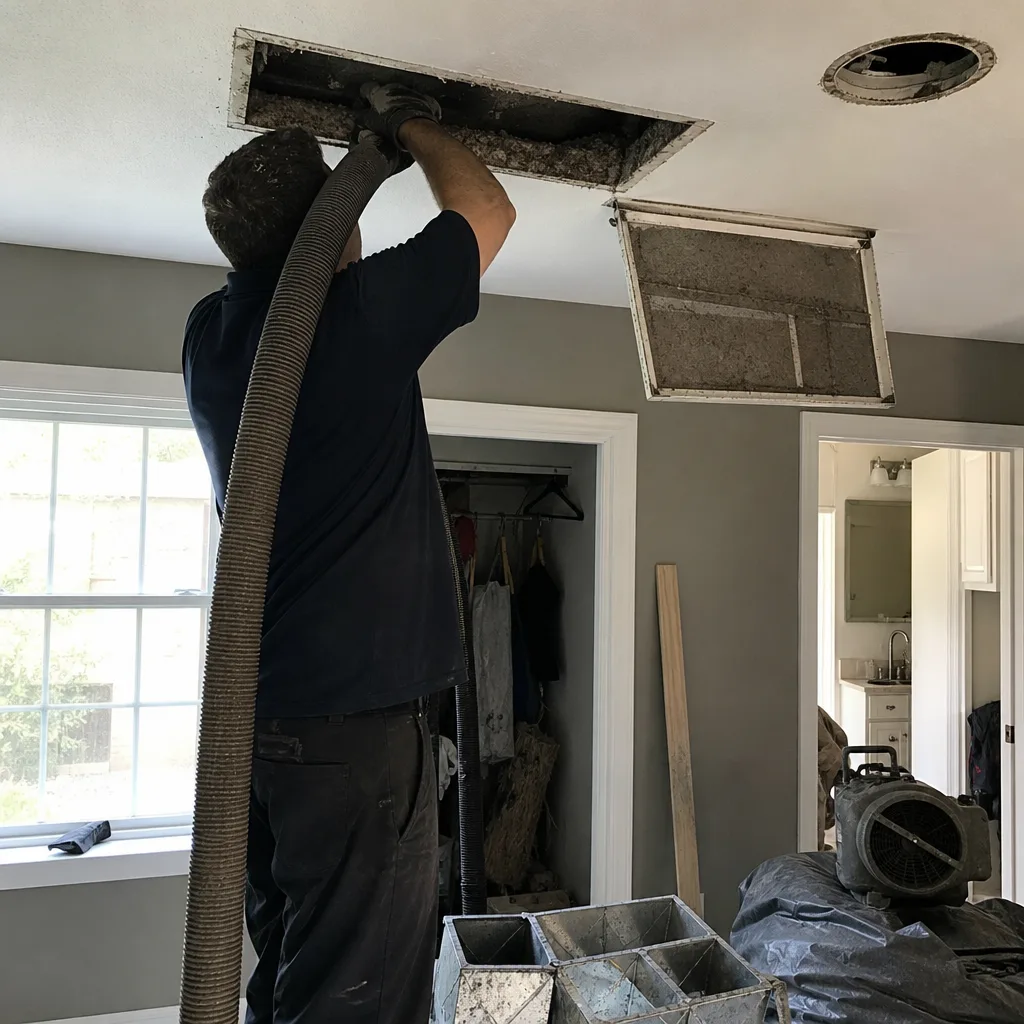
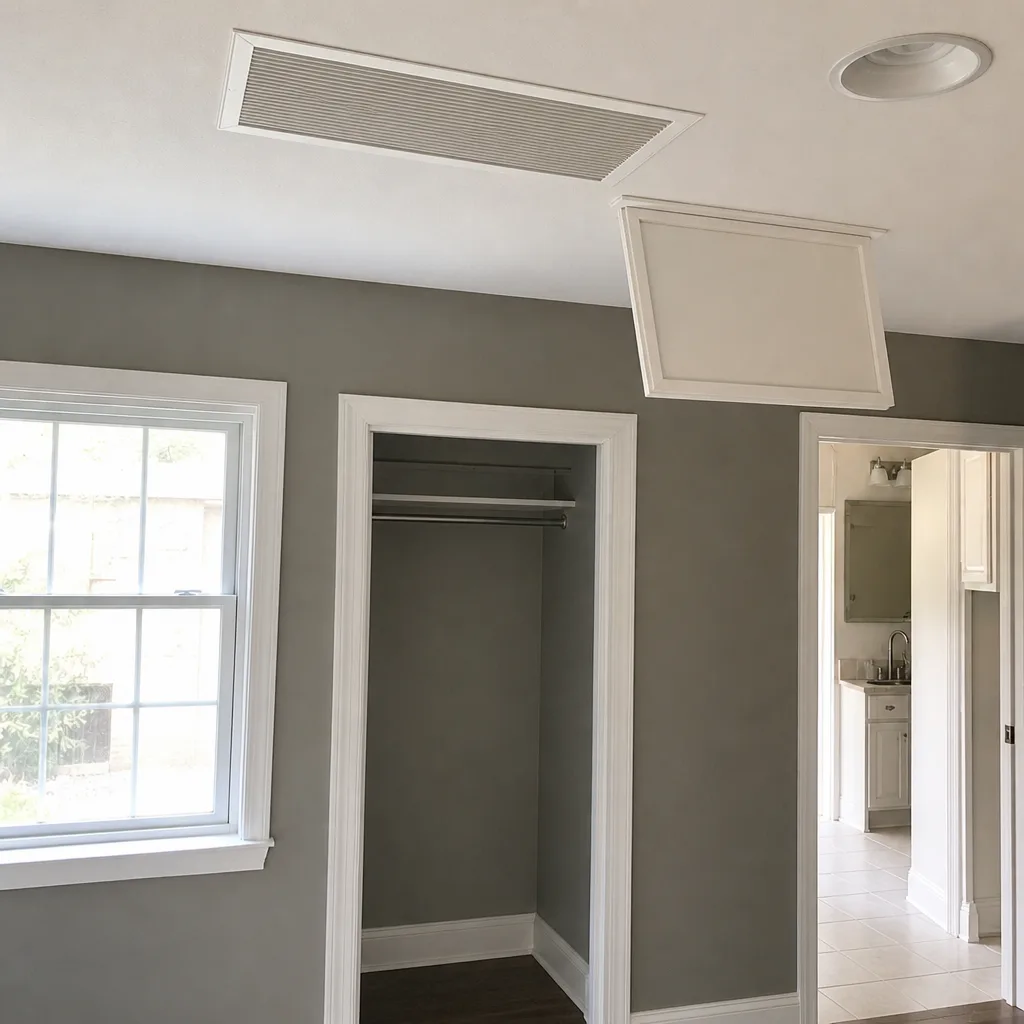
Whole-system duct and dryer vent check with before-and-after photos - you see exactly what came out of your vents
That "$99 whole-house special" is a bait ad - the real number appears once they are in your hallway, or the "clean" is a shop-vac at the register. We photograph the inside of your ducts before and after instead.
Choosing the Right Air Duct Cleaning Brand: A Buyer’s Guide for Tyler
Any contractor can build a professional-looking website, but the equipment that shows up in the driveway tells you more about their real capability than any badge on a homepage. In duct cleaning, where credentials are thin and the barrier to entry is low, the tool set is the most honest signal you’ll get. That’s the counterintuitive part of choosing a “brand” in Tyler: the brand that matters isn’t the cleaner’s logo, it’s the make of the negative-pressure unit and the agitation tools the technician actually brings. This guide shows you how to read those signals, ask the right questions, and tell a serious operator from a volume outfit.
Quick Answer
To choose the right air duct cleaning company in Tyler, judge the equipment, not the marketing. Ask what negative-pressure unit they run (a truck-mounted system is the professional standard; a converted shop vac is not), what agitation tools they use, and whether they can also repair damaged ducts on the spot. A company that invests in recognized professional-grade systems like Rotobrush and Nikro, and that offers duct repair alongside cleaning, is the one built to stay in Tyler and do the job right.
Styles & brands we work with
- Whole-home duct cleaning
- Dryer vent cleaning
- Camera inspection
- Sanitizing & deodorizing
Table of Contents
- Why Equipment Is the Real Brand
- The Equipment Brands That Signal a Serious Operator
- Truck-Mounted vs. Portable vs. Shop Vac: What Each Can Do
- How to Ask About Equipment Without Sounding Like a Pop Quiz
- Why Repair Work Needs a Different Tool Set Than Cleaning
- What Equipment Investment Says About Staying Power
- Reading the Tyler Market
- Common Mistakes to Avoid
- When to Call a Professional
- Frequently Asked Questions
Why Equipment Is the Real Brand
Air duct cleaning is one of the few home services with almost no formal licensing requirement in most states. There’s no universal credential that separates a seasoned technician from someone who bought a vacuum and printed a magnet for their truck. That gap is exactly why equipment is the most reliable filter you have as a homeowner in Tyler.
The logic is simple. Professional-grade duct cleaning equipment costs serious money and takes real training to run well. A contractor who owns a truck-mounted Rotobrush or Nikro system has already made a commitment that a fly-by-night operator never will. That investment is hard to fake, hard to rent for a weekend, and hard to walk away from. When you see it, you’re looking at a business that intends to be around.
Here in East Texas, where the cooling season runs long and duct systems work hard, the quality of the equipment matters more than it might in a milder climate. A dusty, high-use system needs genuine negative pressure and proper agitation to clear out what’s built up over years. A weak setup just stirs the debris around.
We’ve built our approach around this idea: the tools come first, and the service follows. That’s why we run professional-grade systems and treat duct cleaning Tyler as technical work, not a quick sweep.
What the equipment tells you, in short:
- Whether the operator invested in the trade or is running a side hustle.
- Whether they can generate enough negative pressure to actually extract debris.
- Whether they have the agitation tools to loosen what’s stuck to duct walls.
- Whether they can move into repair when they find damage, rather than leaving you stranded.
The Equipment Brands That Signal a Serious Operator
In the duct cleaning trade, a handful of names come up again and again among people who take the work seriously. Knowing them gives you a vocabulary for your vetting call. You don’t need to be an expert; you just need to recognize the names and understand what they represent.
Rotobrush is one of the most recognized names in residential air duct cleaning, built around rotary brush agitation combined with negative pressure. When a technician shows up with a Rotobrush system, it signals training in a specific, controlled method rather than a generic vacuum-and-hope approach. Nikro is another professional-grade name, known across the trade for commercial and residential duct cleaning equipment, including powerful negative-pressure units and specialty tools. These are the systems working technicians rely on, not the consumer-grade vacuums sold at a hardware store.
Beyond cleaning rigs, familiarity with air quality product lines matters too. Many homes in Tyler have Honeywell or Aprilaire filtration and humidification components installed as part of their HVAC setup. A technician who knows these systems can clean around them properly and recognize when a filter housing or bypass is contributing to the problem. Contamination control matters as well, which is where knowledge of Abatement Technologies and Guardsman product lines comes in: it shows a technician thinks about containment and system protection, not just extraction.
Why does this matter to you? Because the presence of these names on a contractor’s equipment list is a proxy. It says: this person researched the trade, bought the tools real technicians use, and learned to run them. That’s the kind of operator you want handling the air your family breathes.
Truck-Mounted vs. Portable vs. Shop Vac: What Each Can Do
Not all duct cleaning setups are created equal, and the difference shows up fastest in the negative-pressure unit. Here’s how to think about the three tiers you’re likely to encounter in Tyler.
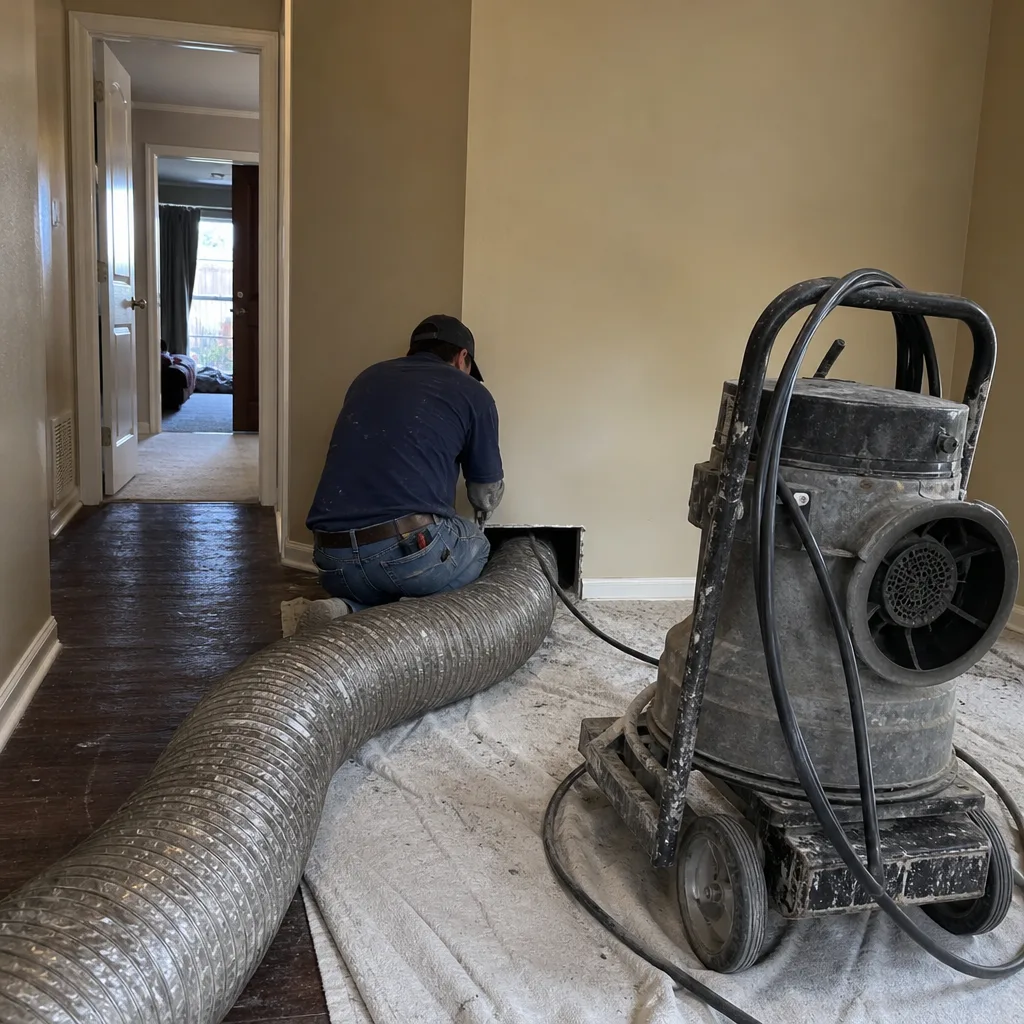
- Truck-mounted negative pressure systems. This is the professional standard for whole-home duct cleaning. A powerful vacuum mounted in the vehicle connects to the duct system through a hose, pulling debris toward an extraction point while agitation tools loosen material inside the ducts. The pressure is strong and steady, and the work is done systematically. When someone asks what kind of rig a company runs, this is what they mean.
- Portable units. These are self-contained machines a technician carries in. Quality varies widely. A professional-grade portable like a Nikro unit can handle smaller or more complex jobs where a truck mount won’t reach, but a cheap portable can’t move enough air to clear a full residential system. Portable isn’t automatically bad; it depends on the unit and how it’s used.
- Converted shop vacs. This is where the line gets clear. A shop vac, even a large one, isn’t designed for duct cleaning. It doesn’t generate the sustained negative pressure a duct system needs, and it can’t handle the volume of debris. A company showing up with a modified shop vac is a company doing surface work, not system cleaning.
Asking which tier a company operates in tells you a lot in one question. If they can name their equipment and explain why they chose it, you’re talking to someone who understands the work. If the answer is vague, that’s your signal.
Our own approach uses recognized professional-grade systems because the alternative doesn’t deliver the thoroughness air duct cleaning should. The tool set is the whole point.
How to Ask About Equipment Without Sounding Like a Pop Quiz
You don’t need to interrogate anyone. The best vetting conversations are natural, and the answers you get will be more honest when you ask as a curious homeowner rather than a quizmaster. Here are some conversational questions that surface what you need to know.
- “What kind of equipment do you use for the cleaning?” Simple and open. A serious operator will name their system and explain it. A weak one will wave their hand and say “the best.”
- “Is it truck-mounted or portable?” This gets you past the marketing and straight to capability. Either answer can be legitimate, but the answer tells you how they approach the job.
- “Can you walk me through how a typical job goes?” A professional will describe setting up negative pressure, agitating the ducts, and checking the system before and after. Vague answers are a warning.
- “What do you do if you find damaged or disconnected ductwork?” This separates clean-only operators from companies that can act on what they find. If their answer is “we’ll let you know,” you’re talking to a company that can’t finish the job.
- “Do you take before-and-after photos?” A company confident in its work will show you what it did. One that can’t or won’t is a company asking you to take it on faith.
Listen for specifics. When someone mentions Rotobrush or Nikro, or talks about Honeywell and Aprilaire components in a home, you know they’ve spent time with the equipment and the systems. When the answers stay general, take that as information too.
We answer these questions on every call, because we’d rather a homeowner understand the work before we start. If you want to talk it through, Tyler homeowners can reach us and get a straight answer.
Why Repair Work Needs a Different Tool Set Than Cleaning
Here’s a distinction that surprises a lot of homeowners: the equipment for cleaning ducts and the equipment for repairing them are not the same, and a company that only cleans is not equipped to fix what it finds. This is one of the biggest gaps in the Tyler market.
Cleaning is about extraction and agitation. Repair is about accessing the duct system, sealing leaks and disconnected joints, replacing damaged sections, and getting the system back to a proper seal so it actually delivers air where it’s supposed to. That takes different tools, different materials, and different skills. A cleaning-only operation can find a problem and tell you about it, but then you’re sourcing a second contractor, explaining the situation, and hoping the two never point fingers at each other.
A company that offers duct repair as a named service can audit the whole system and act on what it finds in one visit. That continuity matters. The technician who just cleaned your ducts knows exactly where the weak joints are, where pressure is dropping, and what needs sealing. Handing that knowledge off to a different crew wastes it.
We built our service scope around this reality. Cleaning, dryer vents, and repair sit under one provider because the system is one system, and problems don’t respect the line between cleaning and fixing. When we run professional-grade equipment through a home and find damage, we can address it rather than leave it.
If you’re evaluating a company, ask directly whether they offer repair as a real service. It’s a fair question, and the honest answer will tell you a lot.
What Equipment Investment Says About Staying Power
There’s a quiet but powerful connection between equipment and longevity. A contractor who invests in professional-grade systems has skin in the game. That investment only pays off over time, which means the business is built to be around, not to run volume and disappear.
Think about it from the operator’s side. A truck-mounted Rotobrush rig, a Nikro negative-pressure unit, containment and protection knowledge from Abatement Technologies and Guardsman lines: none of that is cheap, and none of it is portable to a quick flip. Someone who buys those tools has decided to do the work properly, and that decision usually comes with a commitment to a market. In Tyler, that means a company that wants repeat customers, referrals, and a reputation that outlasts any single job.
Compare that with the volume operator. They show up with minimal equipment, do a fast pass, collect a payment, and move on. They have no reason to invest in repair capability or professional tools because their model doesn’t depend on repeat business. On the day the job goes sideways, they’re already three towns over.
The presence of serious equipment is your best single predictor of a business that will still answer the phone when something goes wrong. It’s not a guarantee, but it’s a stronger signal than any ad or review score you can read online.
Our technicians have up to 14 years of experience with these systems, and that experience is the reason we’re particular about what equipment we run. It’s also why we treat dryer vent cleaning as a dedicated safety service rather than an upsell afterthought.
Reading the Tyler Market
Tyler is a market where a lot of duct cleaning companies operate, and the gap between the serious ones and the volume ones is wide. Knowing what’s normal here helps you calibrate your expectations.
Homes across the neighborhoods and outlying areas around Tyler tend to run their HVAC systems hard through a long cooling season, and that means duct systems accumulate dust and debris steadily. When a system is running that much, weak equipment shows its limits fast. A duct system that’s been pulling air through the same channels for years needs real negative pressure and proper agitation to clear out, and that’s where the professional-grade setups earn their keep.
Expect to hear professional equipment names come up when you talk to serious operators. Expect to hear them stumble when you ask the vague ones. Use the difference to make your decision.
Throughout this guide, we’ve pointed back to the equipment question because it cuts through everything else. It’s the test that keeps giving you reliable answers, market after market, job after job.
Common Mistakes to Avoid
- Judging the company by its website instead of its equipment. A polished site tells you nothing about what shows up in the driveway. Ask about the rig and the tools before you’re impressed by anything else.
- Assuming a low quote means a good deal. If the price seems too good, the equipment usually reflects that. A cut-rate job on inadequate equipment can leave the system no cleaner than it started.
- Forgetting to ask about repair capability. Cleaning-only operators won’t tell you what they can’t fix. Ask directly whether repair is available, because the answer determines what happens if they find damage.
- Skipping the before-and-after photos. If a company can’t show you what it did, you have no way to know the work matched the promise. Ask for photos of your own system.
- Letting dryer vent cleaning get lumped in as an afterthought. It’s a safety service tied to fire risk, and it deserves the same professional-grade care as duct cleaning. Don’t let it slide off the list.
- Not asking what happens on a job that runs long. Ask whether the price is agreed before work starts and stays fixed. A flat, per-system price beats per-vent pricing every time.
- Accepting vague answers to specific questions. When a company can’t describe its equipment or its process, that’s information. Take it seriously.
When to Call a Professional
There are clear moments when it’s time to get a professional on the phone. If your home hasn’t had its ducts cleaned in years and the air feels stale or dusty, that’s a signal. If you notice visible debris, uneven airflow between rooms, or a musty smell when the system kicks on, those are reasons to call. If the dryer is taking longer than it should to dry a load, that’s a safety concern worth addressing promptly. And if you’ve recently moved into a Tyler home and don’t know the duct system’s history, a professional evaluation gives you a clean starting point.
Duct Cleaning Tyler offers free estimates in Tyler. Call (877) 610-4987. We answer 24/7. Fast dispatch from 7am to 7pm, Sunday through Friday.
Frequently Asked Questions
Choose based on equipment, not marketing. Ask what negative-pressure unit they use and whether they run professional-grade systems. A company that can name its rig, explain its process, and offer duct repair alongside cleaning is the one built to do the job properly in Tyler.
Professional operations use truck-mounted or professional-grade portable negative-pressure systems, along with agitation tools that loosen debris inside the ducts. Recognized names like Rotobrush and Nikro signal a serious operator. A converted shop vac does not meet the standard for whole-home duct cleaning.
Yes. The equipment determines whether the job actually clears the system or just stirs debris around. A weak setup can’t generate the sustained negative pressure needed to extract what’s built up, and that’s why we run recognized professional-grade equipment on every job.
Because cleaning reveals problems. Leaks, disconnected joints, and damaged sections are common findings, and a cleaning-only operator can’t act on them. A company that offers repair as a named service can fix what it finds in the same visit, saving you from sourcing a second contractor.
Most homes benefit from cleaning every few years, and a system that runs hard through a long cooling season can accumulate debris faster. If you’ve noticed stale air, uneven airflow, or visible buildup, it’s time to have a professional evaluate the system.
Yes, and it’s a safety service. A clogged dryer vent restricts airflow and creates fire risk, which is why we treat it as a dedicated service rather than an optional add-on. If your dryer is taking longer to dry loads, that’s a reason to schedule it.
The Bottom Line
The brand question in duct cleaning isn’t about the company’s logo. It’s about the equipment the technician brings and what that tells you about their commitment to the work. In Tyler, where credentials are thin and the market is crowded, that signal is the most reliable filter you have. Look for recognized professional-grade systems, ask about negative pressure and agitation tools, and check whether repair is available alongside cleaning. A company that invests in real equipment is a company built to stay. Call (877) 610-4987 for a free estimate. We answer 24/7. Fast dispatch from 7am to 7pm, Sunday through Friday.
Written by the team at Duct Cleaning Tyler.
See the difference
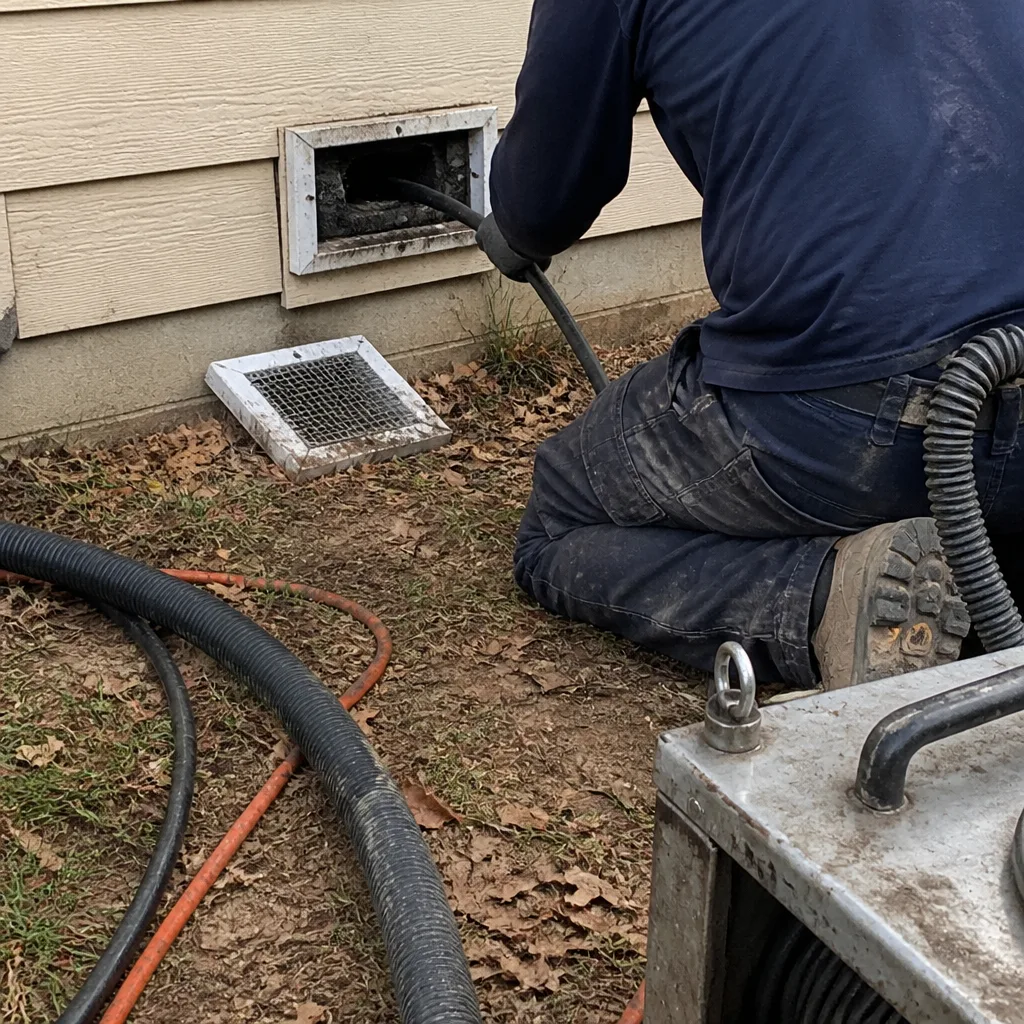 Before
 After
 Before
 After
 Before
 After