
Last updated November 15, 2026
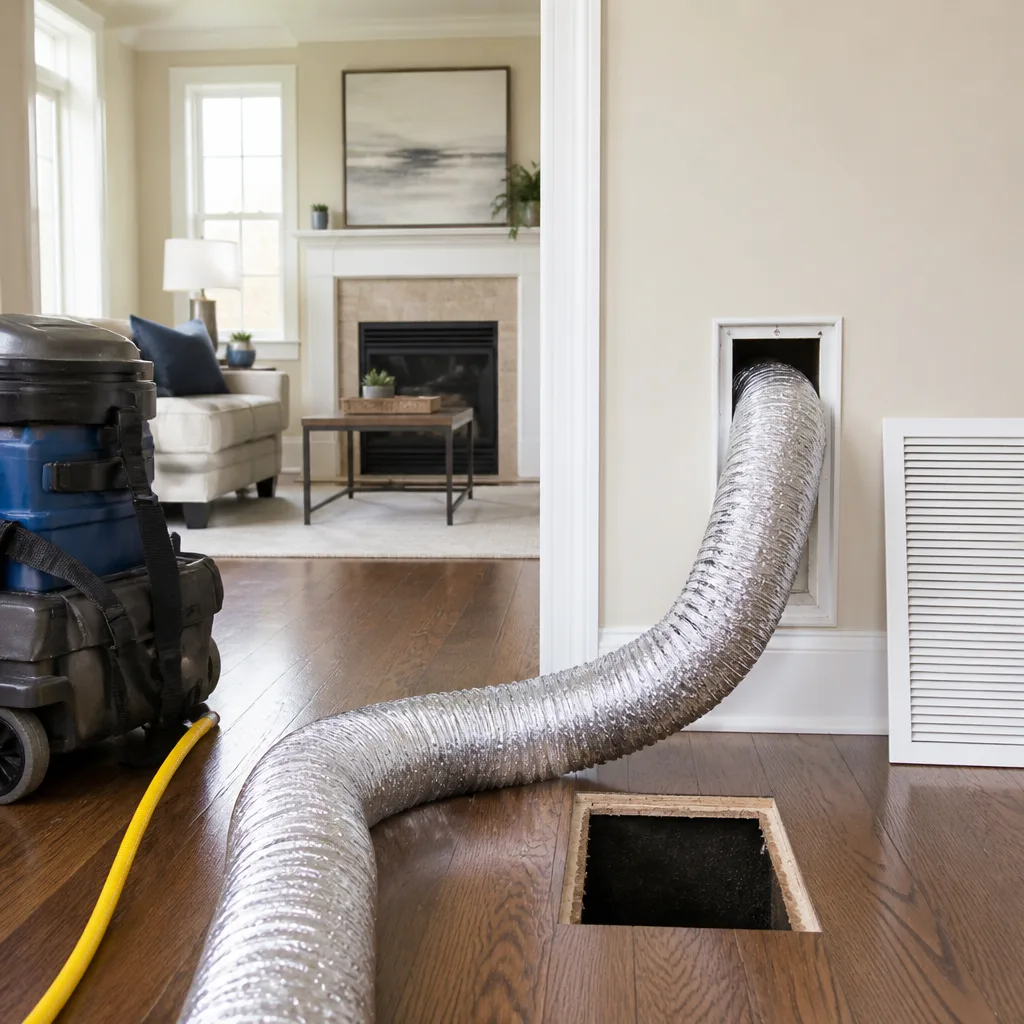 Whole-home duct cleaning
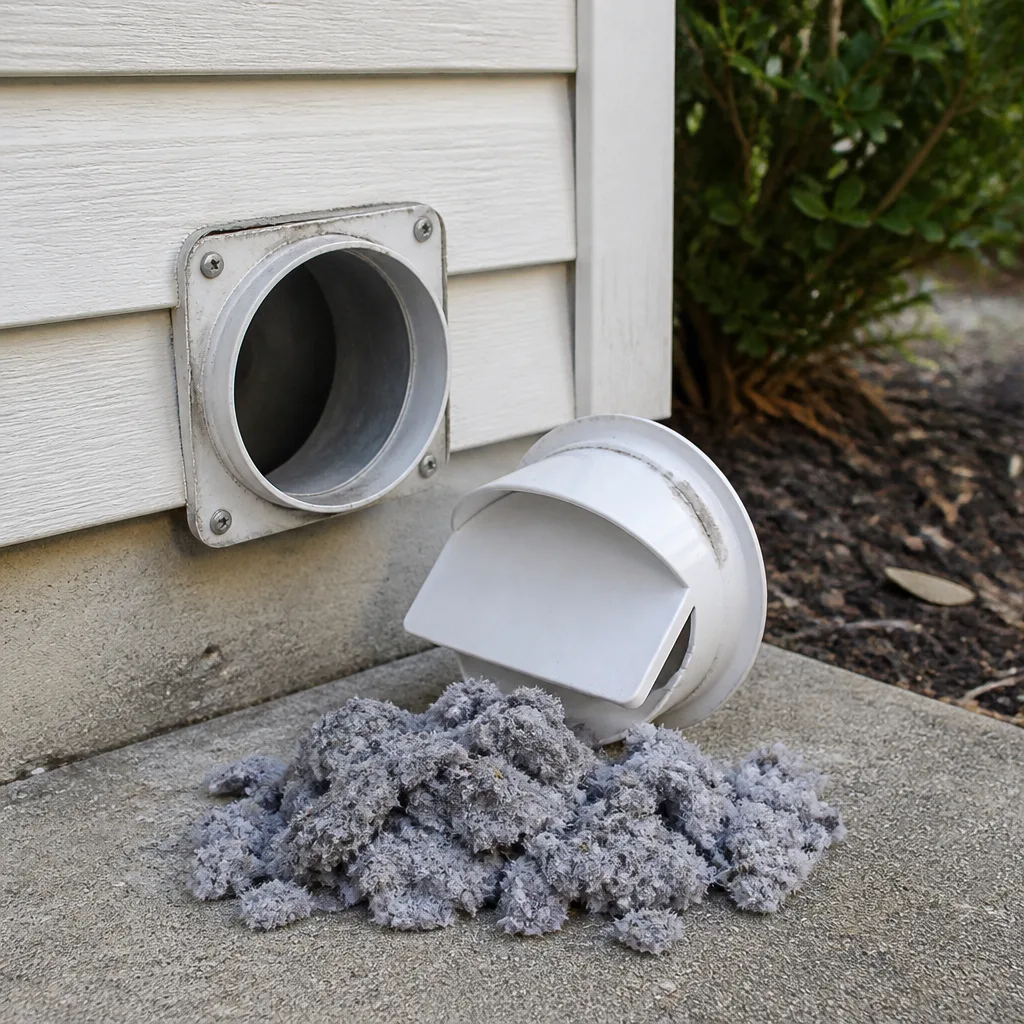 Dryer vent cleaning
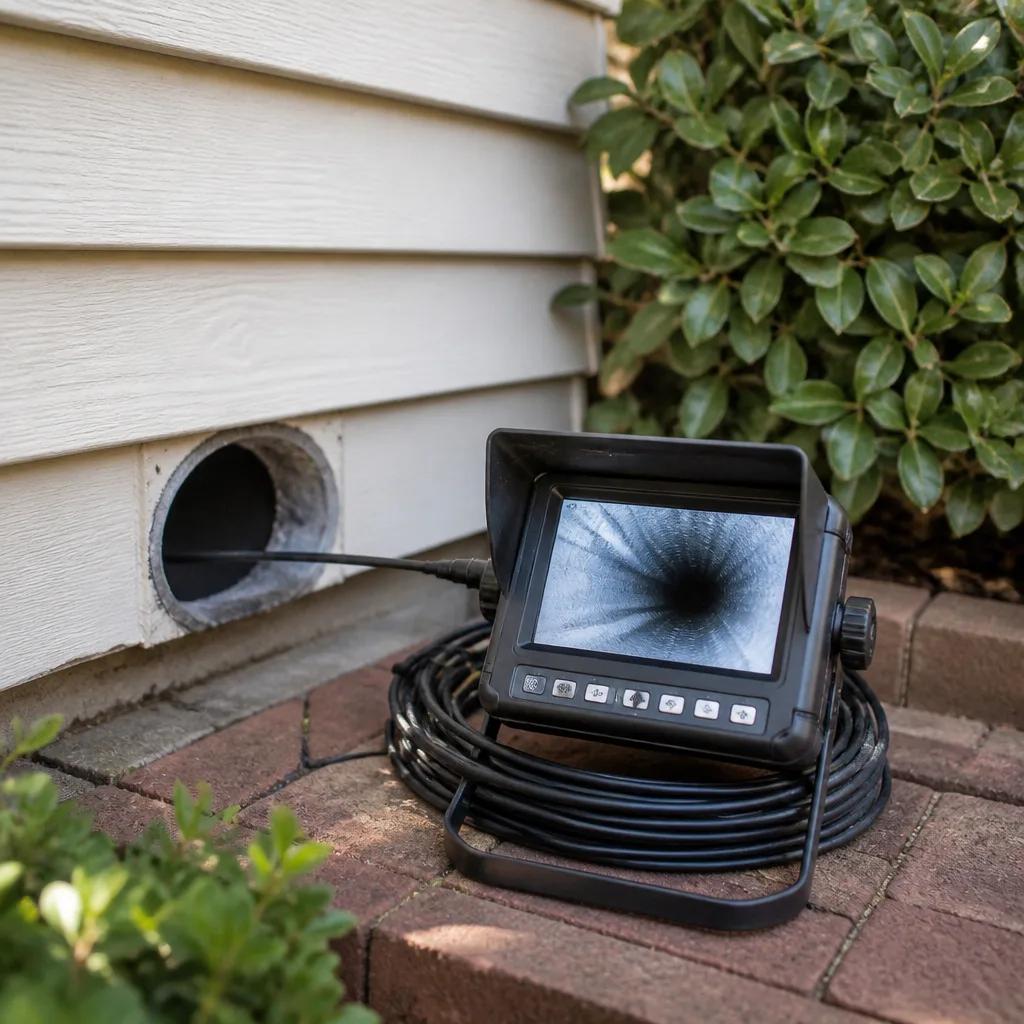 Camera inspection
 Sanitizing & deodorizing
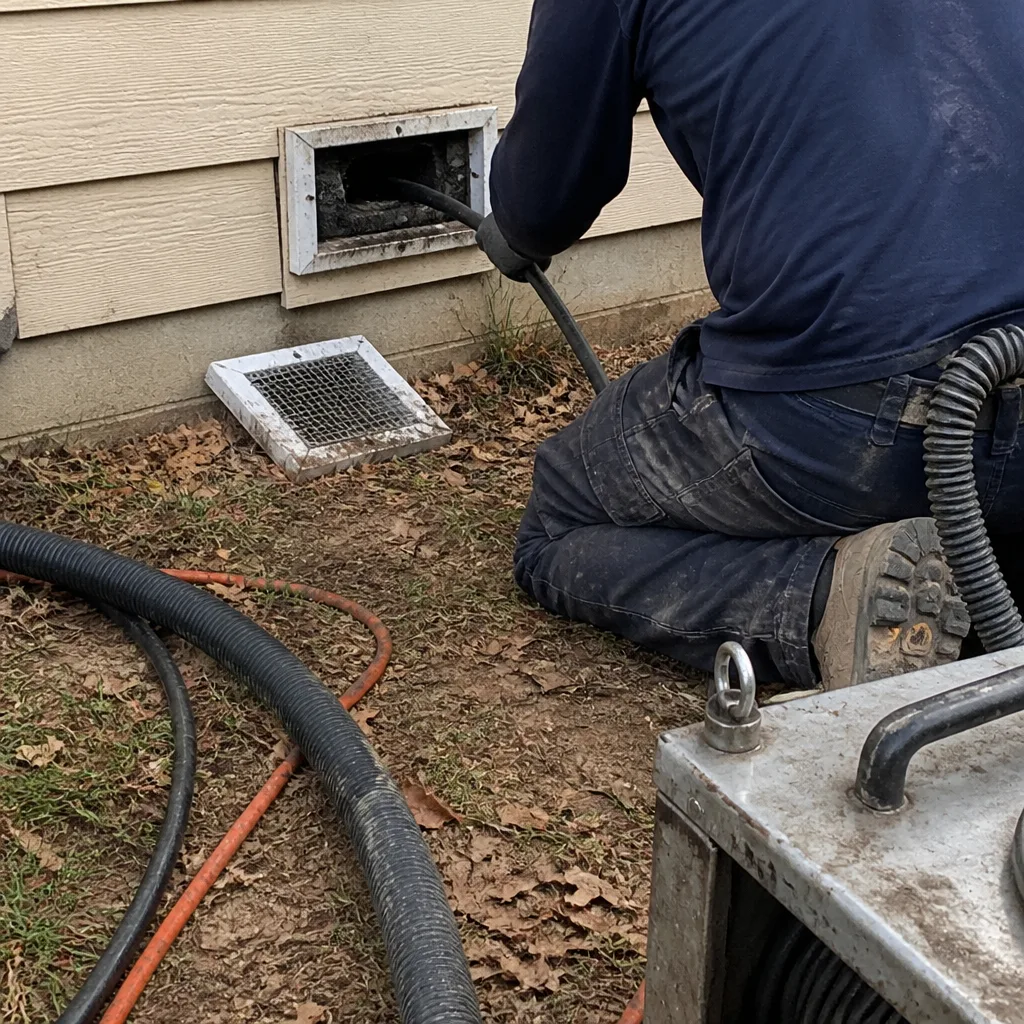
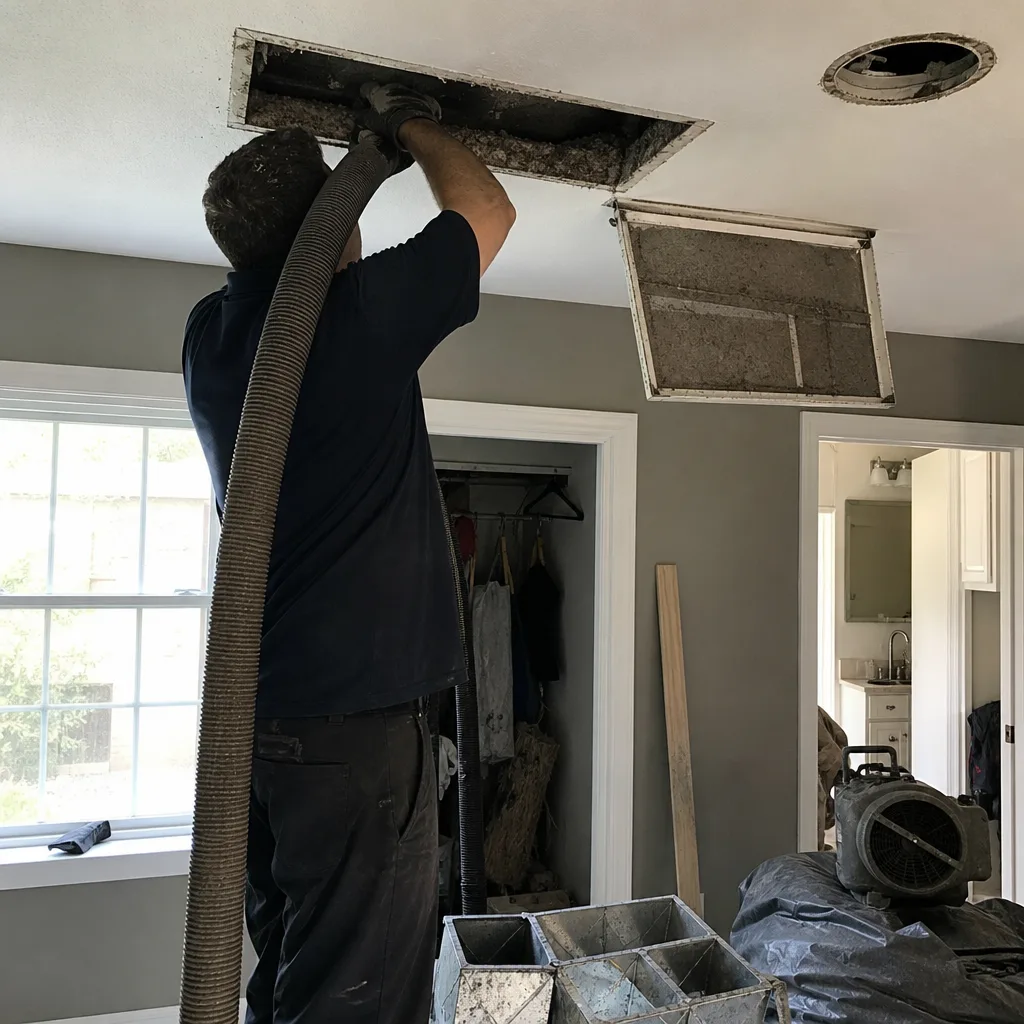
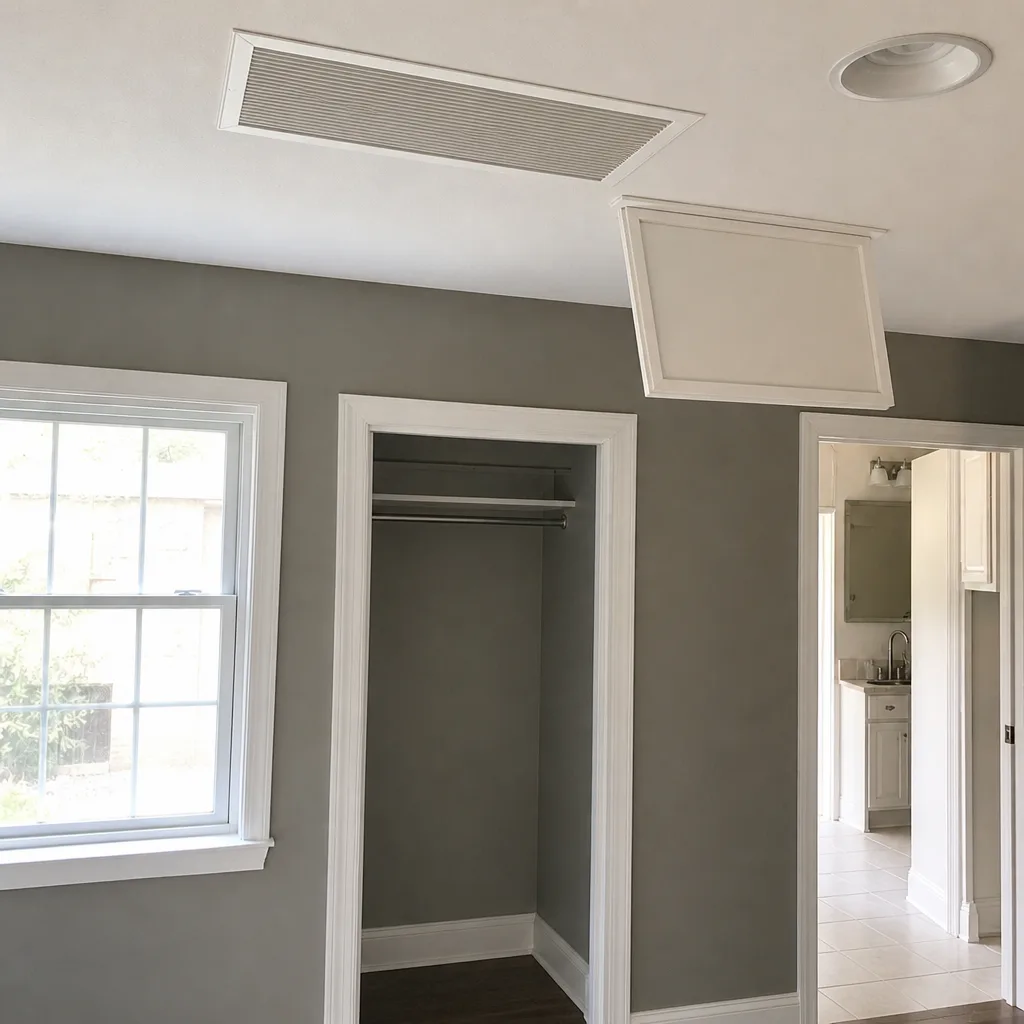
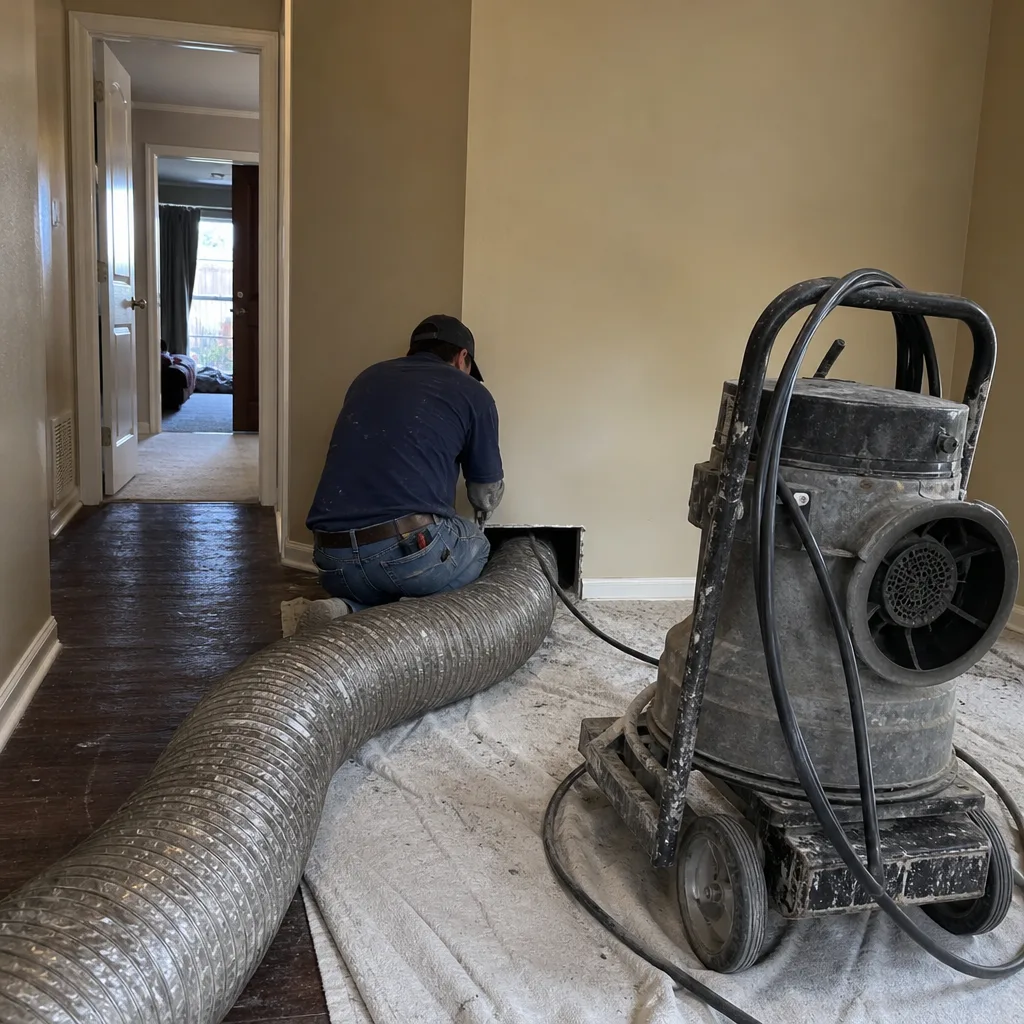
Whole-system duct and dryer vent check with before-and-after photos - you see exactly what came out of your vents
That "$99 whole-house special" is a bait ad - the real number appears once they are in your hallway, or the "clean" is a shop-vac at the register. We photograph the inside of your ducts before and after instead.
Air Duct Cleaning Maintenance Checklist for Tyler Homeowners
If you’re only thinking about your ducts on the day a technician shows up, you’re already behind. Most duct problems leave weeks of observable clues before they affect air quality or system efficiency: a faint musty smell at one register, a filter that loads up faster than it used to, a return grille that collects dust in a pattern it didn’t before. None of those need tools to spot. None of them require a service call to notice. They just require someone paying attention on a schedule.
This checklist is built for Tyler’s climate, not a generic template dropped onto any city. It’s designed to work as an ongoing diagnostic tool, connecting filter changes, humidity readings, and what you see at your registers into a picture of your system’s health between visits. We’ll walk through monthly, quarterly, and annual tasks, explain what you can observe yourself, and show you when an observation calls for professional inspection, cleaning, or repair.
Quick Answer
A maintenance checklist for air ducts in Tyler should track four things year-round: filter condition and change dates, visible dust or moisture at registers and return grilles, indoor humidity readings, and any change in musty odors or airflow. Log what you see monthly, schedule a professional duct inspection and cleaning about every three to five years depending on pets, pollen, and filter habits, and treat a sudden change in any of those four signals as a reason to call rather than wait.
Styles & brands we work with
- Whole-home duct cleaning
- Dryer vent cleaning
- Camera inspection
- Sanitizing & deodorizing
Table of Contents
- Why Tyler’s Climate Demands a Different Checklist
- Monthly Tasks: The Ten-Minute Walkthrough
- Quarterly Tasks: Filters, Grilles, and Airflow
- Annual Tasks: The Full-System Review
- What Your Registers and Return Grilles Are Telling You
- Using a Humidity Log as an Early Warning System
- Filter MERV Ratings and East Texas Pollen: The Recontamination Connection
- Inspect, Clean, or Repair? When an Observation Means What
Why Tyler’s Climate Demands a Different Checklist
Tyler runs a long cooling season. The air conditioner often carries most of the load from spring well into fall, and even in January there are stretches mild enough that the furnace barely cycles. That pattern matters for ductwork, because a system that runs mostly on cooling is pulling return air through the house for a much larger share of the year than a home that spends half its time heating.
A long cooling season sends cooler, sometimes more humid air through ducts. Cool duct surfaces and humid attic air are a reasonable recipe for condensation on the outside of ducts, especially where they run through unconditioned attic space. That moisture doesn’t necessarily reach your living room, but it can feed biological growth on duct surfaces over time, which is why the musty-odor observation in this checklist carries more weight here than it would in a drier climate.
The briefer cold stretches matter too, just differently. When heating does run, warm air moves through the same ductwork that has spent months in cooling mode. Gaps and loose joints that were minor in summer can become more noticeable when warm air is pushed through them, because heated or cooled air leaking into an attic costs energy either way. We’ve seen plenty of air duct cleaning jobs where the ductwork was sound but a joint had pulled apart quietly years earlier.
Tyler also sits in a heavy pollen corridor. Pine, oak, and elm loads are significant, and a home’s HVAC system pulls that pollen in whenever outdoor air infiltrates and returns through the filter and ducts. A checklist built for a dry climate misses this. This one doesn’t.
Monthly Tasks: The Ten-Minute Walkthrough
Monthly tasks are observational. You’re not doing maintenance with tools; you’re walking the house and noting what changed. Ten minutes, once a month, is enough. Write down what you see so you have something to compare against next month, because duct problems reveal themselves as change, not as a single dramatic event.
Here’s what a monthly walkthrough should cover, in order:
- Walk every room and look at each supply register. Note visible dust on the face of the grille, dark streaks around the edges, or any buildup you can see when you remove the grille. A little dust is normal. A grille that collects a fresh film within a week of cleaning is a signal.
- Smell the air near the return grille while the system is running. Any musty, sour, or “old basement” note is worth logging with a date. Don’t dismiss it because it fades.
- Feel the airflow at a few registers with your hand. You’re looking for consistency. A register that suddenly feels weak compared to the others points to a problem upstream, not to that particular vent.
- Check the filter housing. Open the slot and look at the filter without removing it. Note visible loading, discoloration, or any sign of moisture or biological growth on the filter itself.
- Listen. A rattle, whistle, or whoosh you haven’t noticed before is an observation worth writing down.
- Record the date and anything you observed. A simple notebook or note on your phone is enough. The log is the point.
We can’t stress the log enough. In our experience, homeowners who keep a running record of these observations give technicians a much clearer starting point than homeowners who call and describe a vague “something feels off.” The log transforms a vague feeling into a diagnostic clue. If you’re in Tyler and you want to know what a healthy register looks like in these conditions, ask us when we’re out – we always show before-and-after photos of your own system so you know what you’re looking at.
Quarterly Tasks: Filters, Grilles, and Airflow
Every three months, you’re adding the tasks that involve actually touching the system. This is also where the checklist earns its keep, because quarterly tasks catch the things monthly observation can’t.
A quarterly pass should include:
- Change or inspect the filter and write the date on the new one. In Tyler, filter life depends heavily on whether you’re running the AC hard and whether pets are in the house. A filter that’s rated for 90 days often loads faster here during heavy pollen weeks. If you have significant pet hair or someone with allergies in the home, monthly filter changes are common and reasonable.
- Remove one or two supply grilles and one return grille and look behind them. A flashlight helps. You’re looking at the duct surface just inside the opening. A light film is normal. A visible accumulation, dark staining, or anything fuzzy means it’s time to look deeper.
- Check the return grille specifically for dust patterns. Return grilles collect the fastest because they’re the intake side. A return grille that builds a thick film within a quarter suggests the filter isn’t doing its job, either because the MERV is too low or because there’s a bypass around the filter housing.
- Look at the duct joints you can see. Where ducts run through an accessible attic or crawlspace, glance for tape that’s peeling, joints that appear separated, or sagging runs. Any of these mean the system is leaking air you’re paying to condition.
- Take a humidity reading with a cheap hygrometer. We’ll cover interpreting this in the humidity section, but quarterly readings build the baseline.
- Schedule a visual inspection if anything surprised you this quarter. Not necessarily a full cleaning, just a professional eye on what you spotted. We handle that kind of call as a free estimate.
Quarterly filter and grille work is the single most useful habit here. Every professional on the equipment side of this trade will tell you the same thing: clean a system well and then let a homeowner put a heavily loaded filter back in and run it without changing it, and the ducts will recontaminate faster than they should have. Filter maintenance is duct maintenance.
Annual Tasks: The Full-System Review
Once a year, you step back and look at the whole system rather than individual parts. This is the review that tells you whether you need professional service this year or next.
A complete annual review covers four areas. First, review your monthly and quarterly logs as a whole. Are the humidity readings trending up? Is the return grille loading faster than it did last year? Is there a new smell you’ve logged repeatedly? Patterns matter more than single entries.
Second, check the seasonal transition points. In Tyler, the swing from heating back to cooling happens early, and the swing the other way is short. Before each transition, do a walkthrough focused on the specific system about to run for months. In cooling season, that means checking that returns are pulling strong and the system isn’t short-cycling. In the brief heating season, check that registers push warm air evenly.
Third, look at your dryer vent. This isn’t part of the HVAC ductwork, but it’s part of your home’s duct system in the broader sense, and it’s a fire-safety item. Lint buildup is one of the leading causes of residential house fires. Annual professional dryer vent cleaning is a safety service and belongs on this checklist, not as an optional add-on.
Fourth, schedule a full professional evaluation of the HVAC duct system roughly every three to five years, sooner if you’ve had a renovation, water intrusion, pests, or a new pet in the home. In our experience, homes with pets and heavy pollen exposure can benefit from evaluation on the shorter end of that range. Our technicians have up to 14 years of experience with systems in this climate, and Rotobrush and Nikro are what we use – professional-grade duct cleaning systems, not consumer vacuums.
What Your Registers and Return Grilles Are Telling You
You don’t need any tools to read your registers. You need to know what you’re looking at, and to compare today’s view against what it looked like last month.
Light, even dust film on a supply grille is normal. It’s the byproduct of dust settling on any surface, and ducts aren’t perfectly sealed. Log it and move on.
A grille that shows dust accumulating within days of cleaning means there’s a source upstream: either the filter isn’t capturing what it should, or the ducts hold more dust than you can see. This is a common trigger for a professional evaluation.
Dark streaks around the edges of a register are often filter-bypass signatures – air sneaking around the filter instead of through it, carrying dust into the duct system. Worth looking at.
Any visible moisture, staining that looks like water damage, or fuzzy growth on the duct surface inside a register is not a wait-and-see observation. That should trigger a professional inspection promptly. It’s the observation we treat most seriously, because it means there’s active moisture in the system, and moisture is a much bigger problem than dust.
Noticeably weaker airflow at one register versus the others points to a duct problem or a blockage upstream. Sometimes it’s a damper that’s been accidentally closed. Sometimes it’s a joint that’s come apart. It’s worth a professional look either way, because it’s the kind of thing that gets missed and quietly wastes energy.
What you can’t see from a register is the inside of a duct run. That’s where professional equipment matters: the interior of ducts in Tyler homes collects pollen, dust, and – in some cases – biological growth on surfaces the homeowner will never lay eyes on. That’s not a scare tactic; it’s the reason professional-grade evaluation matters. Rotobrush and Nikro systems are built to reach and clean those surfaces. Consumer tools and generic truck-mount rigs aren’t the same thing.
Using a Humidity Log as an Early Warning System
A cheap hygrometer is one of the most useful diagnostic tools a Tyler homeowner owns, and most never buy one. Here’s why it matters for ducts specifically: indoor humidity above roughly 55 percent sustained over weeks is a signal that your system is struggling to control moisture, and moisture control is duct health. High humidity, musty odors, and increased dust often show up together, and the humidity reading is the earliest and most objective of the three.
Here’s how to build the warning system:
- Buy a basic hygrometer. Place it in a central room, not in a bathroom or kitchen.
- Read it at the same time each week. Log the number and the outdoor conditions in a single line. Twenty seconds per week.
- Track the trend, not the single reading. A humid afternoon isn’t a problem. A baseline that’s crept upward over a month and stays there is.
- Correlate humidity with odor and dust logs. If a rise in humidity is followed by a new musty smell at a register, or by faster grille loading, you’ve found the pattern that points to a moisture-related duct issue.
- Bring the log to a professional evaluation. A technician can use those readings to know where to look first.
We handle Abatement Technologies and Guardsman equipment for contamination control precisely because moisture-related problems need more than a brush through a duct. When we find ongoing moisture, we can identify the source, and, when the ductwork itself is damaged, we can often repair it on the spot. That matters in Tyler because the cooling season here is long enough that a moisture problem that goes unaddressed can keep growing for months. If you want the duct system fully evaluated, that’s a single appointment with us, not a handoff to a second contractor.
Filter MERV Ratings and East Texas Pollen: The Recontamination Connection
Every homeowner hears “use a better filter,” and then the trade-off gets glossed over. Here’s the real picture in this climate: filter MERV rating decides how much of the pollen, dust, and pet dander in your return air stays out of your ducts, and higher ratings capture more. But higher ratings also restrict airflow, and a filter that’s too restrictive for the system can cause a pressure problem that makes things worse.
The reason this matters specifically to a duct cleaning checklist is recontamination. Clean ducts don’t stay clean in a vacuum-free zone. Filter well, and they stay clean for years. Filter poorly, especially during Tyler’s heavy pollen weeks in spring when oak and pine are shedding steadily, and a freshly cleaned system can start loading back up faster than the numbers on the calendar would suggest. A properly matched MERV rating slows that cycle. An undersized or low-rated filter accelerates it.
Practical guidance:
- Standard residential ratings (MERV 8 to MERV 11) handle most of the pollen load in a typical Tyler home without over-restricting airflow. This is where most well-matched systems sit.
- Higher-MERV filters may be right for allergy-sensitive households, but they need to match the blower’s capability. This is a conversation worth having with someone who knows the home’s system, not a swap made based on the filter’s label alone.
- Filter maintenance beats filter rating. A clean MERV 8 filter does more than a dirty MERV 13 filter, and it’s a much cheaper conversation.
- Change dates belong in your log. If your quarterly change date has passed and the filter is visibly dark, change it. If the filter is still clean, log that too – a filter that never loads may mean the housing is bypassing it.
We’ve served homes with Honeywell and Aprilaire filtration systems, which are common in residential installations around Tyler. Knowing those systems means when we clean, we’re working with the filtration setup that’s actually in the house, and we can flag when the equipment isn’t matched well.
Inspect, Clean, or Repair? When an Observation Means What
The checklist is only useful if you know what to do with what you observe. Every observation in this guide can be sorted into three buckets, and the bucket determines whether you call for inspection, cleaning, or a repair.
Call for inspection when the observation is a change but you don’t know what’s causing it. Sudden musty odor, a new humidity baseline, a return grille loading faster than it used to, airflow at a register that’s weakened. Inspection is the diagnostic step. In our experience these are the calls that save homeowners the most, because a problem is caught before it spreads.
Call for cleaning when the observation is accumulation. Heavy dust film on grilles, a log that shows grille loading accelerating, and it’s been several years since professional cleaning. Cleaning restores the system to baseline.
Call for repair when the observation is a failure. A duct joint that’s separated, a run that’s sagging, a register that’s no longer sealed to the wall, moisture damage to duct insulation – these need somebody who can fix the ductwork, not just clean around it. This is where we’re set apart from clean-only competitors. Our air duct cleaning service is paired with air duct repair, so when we find a problem, we can address it in the same visit.
One record on the log is worth a call: a musty odor that comes back. Odors that return after a cleaning never had their source fixed, and the fix is diagnostic work, not another sweep. That’s the kind of thing best handled once, correctly, with a service that can find and repair the ductwork behind the smell.
Second rule: a single grille that shows biological growth gets a professional inspection, promptly. Don’t open the ducting yourself to check. A brief note on professional safety practice here: any inspection that involves reaching into ductwork is better left to someone with the right equipment and eye protection. A breathing-mask-worthy growth issue is not something to inspect with a flashlight and confidence from the top of a stepladder.
Third rule: any duct joint you can see that’s come apart is a repair call, not a waiting game. Air leaks into attics or crawlspaces silently cost energy and can pull contaminants into the living space. Duct repair is why we work across the full scope.
If you’re not sure which bucket a given observation falls in, call us. That’s what a free estimate is for.
Common Mistakes to Avoid
- Only scheduling service when something breaks. Reactive maintenance means the first time you notice a duct problem, it’s matured. The checklist in this guide is built to catch problems early, and skipping the monthly walkthrough loses that advantage.
- Changing filters on the calendar but never inspecting them. The date on the filter is not the only factor. In Tyler’s heavy pollen weeks, a 90-day filter can be spent at four or five weeks. Check the filter when the calendar tells you to, but trust the filter’s actual condition when it disagrees.
- Buying the highest-MERV filter you can find and calling it done. A filter too restrictive for the system creates airflow problems that cost more than they solve. A MERV rating matched to the system performs better than a rating chosen off a shelf.
- Ignoring musty odors as “just the house.” If the odor comes back after cleaning, it means the source wasn’t addressed. Don’t accept that smell as normal.
- Treating dryer vent cleaning as optional. The dryer vent is part of the home’s duct system, and lint buildup in that vent is a fire hazard, not a maintenance preference. Annual professional cleaning is a safety measure, full stop.
- Handing off a duct problem to whoever is already there. If a cleaner can’t repair what they find, they’ll clean around it and you’ll be looking for a second contractor. Ask up front: can they fix ductwork?
- Forgetting to log observations. The log is what makes the checklist a diagnostic tool rather than a chore list. Without it, every problem looks like the first time you’ve noticed it.
See the difference
 Before
 After
 Before
 After
 Before
 After
When to Call a Professional
Not every observation needs a call. Some can wait until your next scheduled evaluation. But some shouldn’t – and it’s worth being clear about which. You should call when: you see biological growth or staining on the duct surface inside a register, a musty odor returns after you’ve cleaned and aired the house, your humidity log shows a sustained upward trend, a visible duct joint has separated, or one register has clearly weaker airflow than the others. You should also call if it’s been three to five years since professional cleaning, or sooner if you’ve had a renovation, water intrusion, or a new pet.
Duct Cleaning Tyler offers free estimates. We work with Rotobrush and Nikro, we can repair the ductwork we find, and we work across the whole duct system in one call. Call (877) 610-4987. We answer 24/7. Fast dispatch from 7am to 7pm, Sunday through Friday.
Frequently Asked Questions
Most Tyler homes do well with professional duct cleaning roughly every three to five years, but this is a starting point, not a rule. Homes with pets, heavy pollen exposure, recent renovation, or a history of moisture problems can benefit from evaluation on the shorter end. The observations in your log matter more than the calendar, and the checklist in this guide is designed to help you make that call based on what you’re actually seeing.
No, a shop vac won’t clean ducts effectively. It doesn’t reach the surfaces inside a duct run the way professional equipment does, and it can actually make things worse by stirring dust into the living space without capturing it. The professional-grade Rotobrush and Nikro systems are built for this; consumer vacuums aren’t the same tool. If your observations suggest the ducts need cleaning, that’s a call for professionals, not a weekend project.
One room that collects dust faster than the others usually points to a problem specific to that duct run – a loose joint, a disconnected section, or a register seal that’s failed. It’s worth a professional inspection, because the fix often requires duct repair, not just cleaning. If you’re in Tyler, call (877) 610-4987 for an exact quote. Estimates are free.
Often yes, particularly during heavy pollen months. Tyler’s pollen load is substantial, and a filter that would last 90 days in a lower-pollen climate can load faster here. Check your filter’s actual condition monthly during spring; change it if it’s visibly dark, even if the calendar says you have weeks left. This single habit slows duct recontamination more than any other thing you can do between professional cleanings.
MERV 8 to MERV 11 handles most of the pollen and dust load well in a typical Tyler home without over-restricting airflow. Higher-MERV filters may be appropriate for allergy-sensitive households, but they need to match the system’s blower capability, so that’s a conversation to have rather than a swap to make based on a filter label. If a filter is too restrictive, it creates more problems than it solves.
Pricing depends on system size, accessibility, level of contamination, and whether repair is needed alongside cleaning, so we work from a free written estimate rather than a coupon figure. If you’ve seen low teaser prices, ask whether that price covers the whole system or only a set number of vents – the bait-and-switch is common enough to ask about. Call (877) 610-4987 for an exact quote. Estimates are free.
No, they’re separate services, and both belong on your annual list. Dryer vent cleaning is a safety service, not an HVAC maintenance item; lint buildup in the dryer vent is one of the leading causes of residential house fires. If you haven’t had your dryer vent professionally cleaned in the last year, that’s worth scheduling alongside any duct work.
Ask for before-and-after photos of your own ducts, not stock photos. A professional will show you what came out and what the ducts look like when they’re finished – that’s the standard we work to. Combined with a written estimate before work starts and a satisfaction guarantee on the job, that’s how you confirm the service you paid for actually happened.
The Bottom Line
The air duct cleaning checklist for a Tyler home is really a diagnostic habit. Walk through monthly and log what you see. Inspect filters and grilles quarterly. Do a full-system review annually and include the dryer vent. Track humidity alongside musty odors and dust, because those three signals often move together and the humidity reading is the earliest of the three. Then, when something changes, use the bucket test – inspect, clean, or repair – to decide the next step. If you’re not sure, call. Our technicians have up to 14 years of experience with duct systems in this climate. Call (877) 610-4987. We answer 24/7. Fast dispatch from 7am to 7pm, Sunday through Friday. Estimates are free, and if we find ductwork that needs repair, we can address it in the same call.
Written by the team at Duct Cleaning Tyler.