
Last updated November 15, 2026
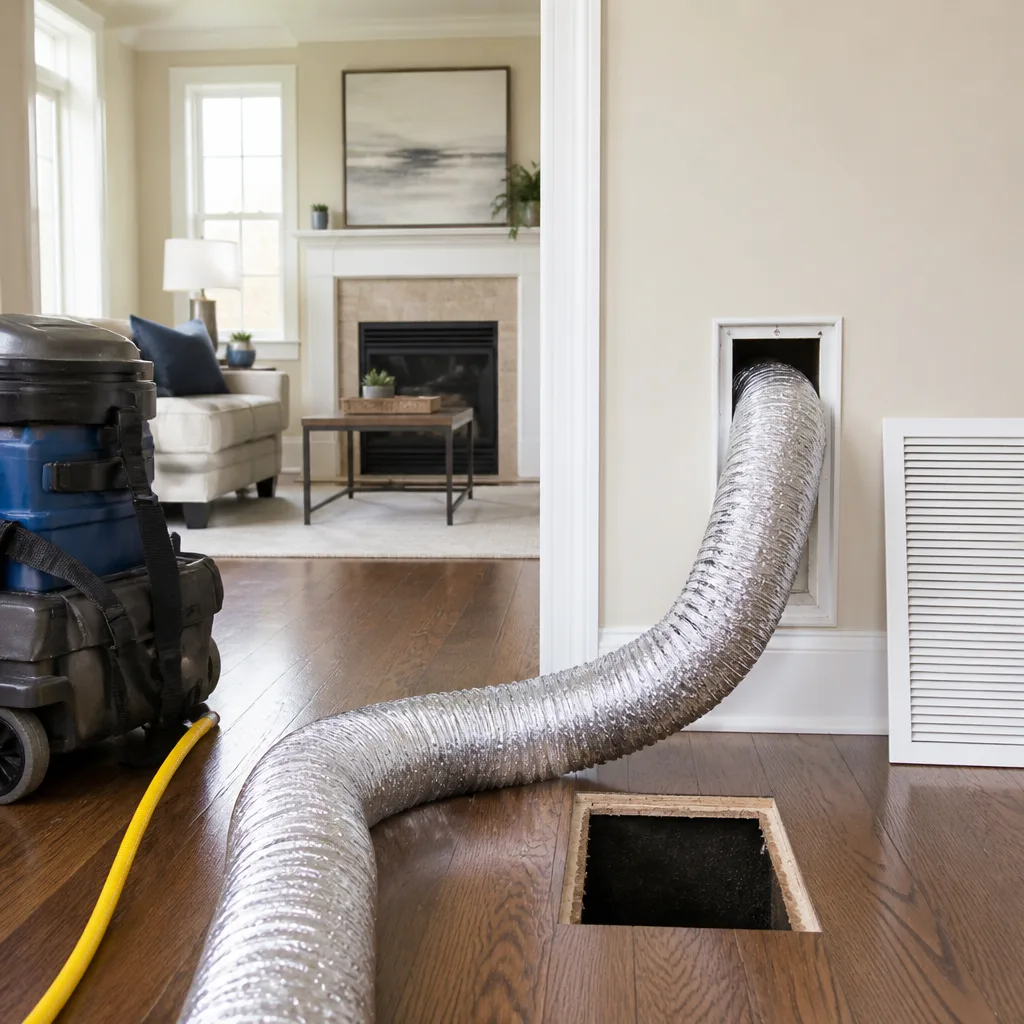 Whole-home duct cleaning
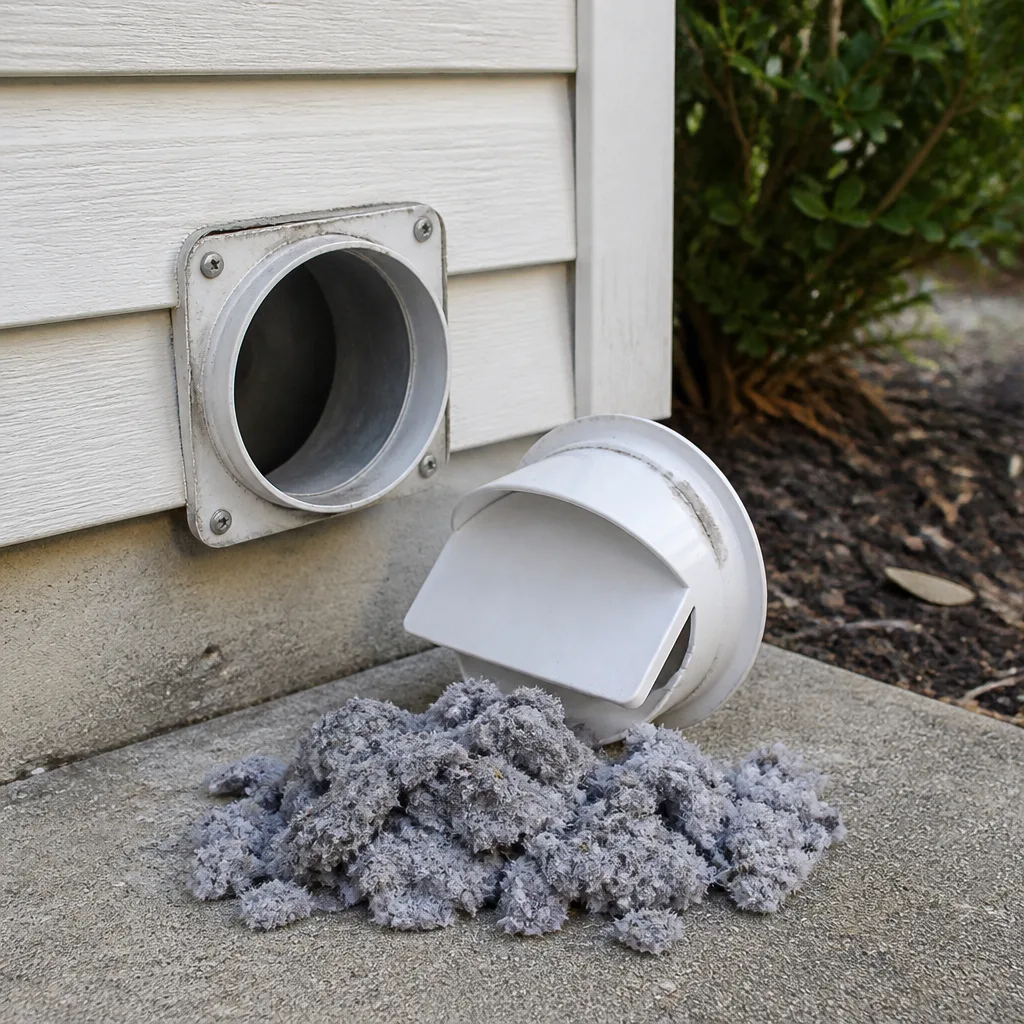 Dryer vent cleaning
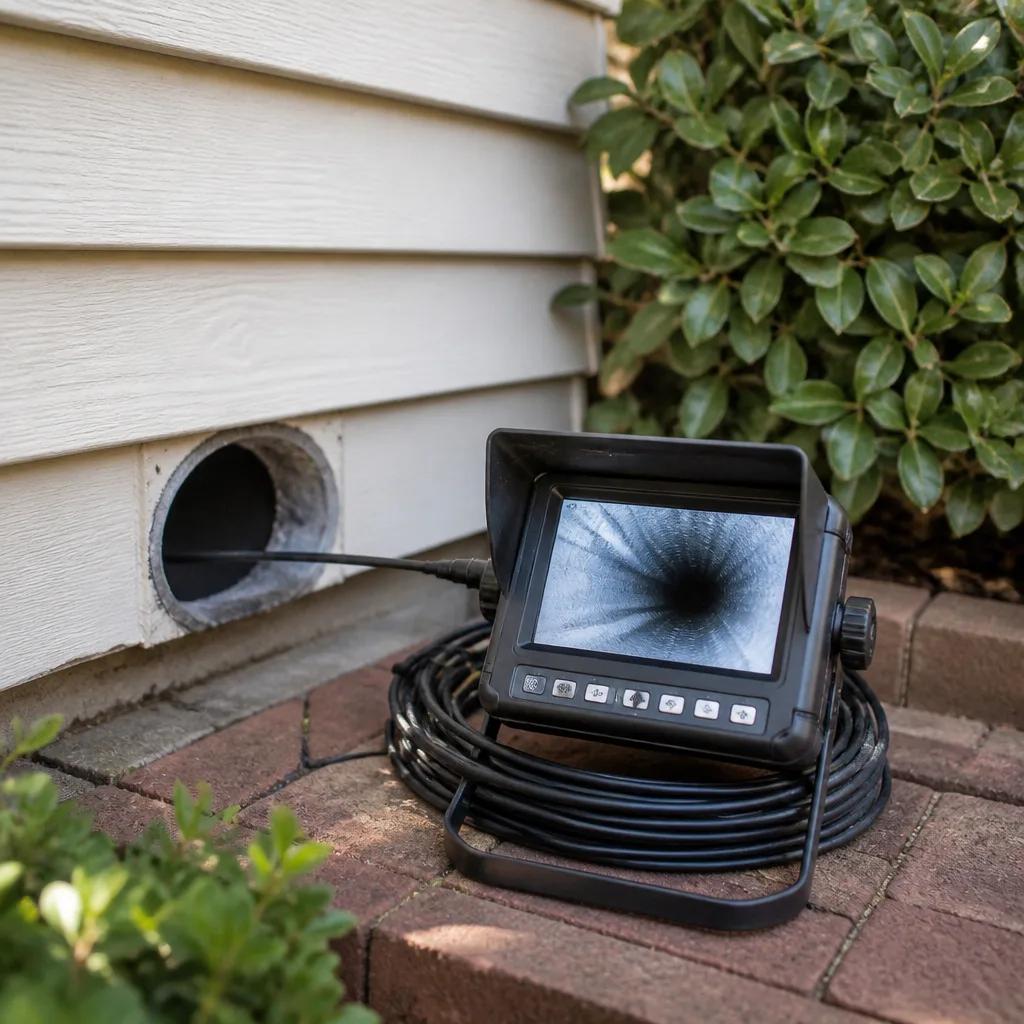 Camera inspection
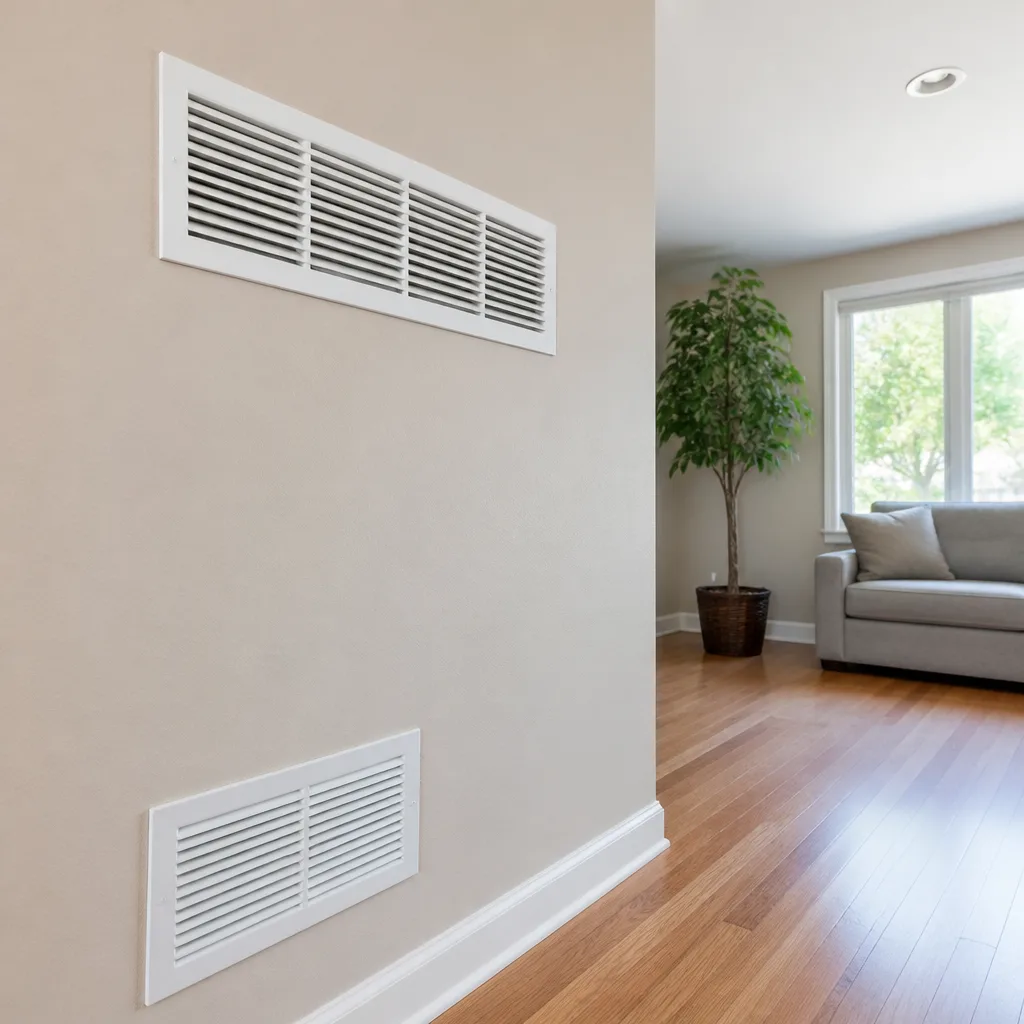 Sanitizing & deodorizing
Whole-system duct and dryer vent check with before-and-after photos - you see exactly what came out of your vents
That "$99 whole-house special" is a bait ad - the real number appears once they are in your hallway, or the "clean" is a shop-vac at the register. We photograph the inside of your ducts before and after instead.
Air Duct Cleaning Cost Breakdown: The Tyler Homeowner’s Reference for 2026
The cheapest duct cleaning quote you’ll find in the Tyler area often costs more over three years than a single properly-scoped job. That sounds like a sales line, but the math is straightforward: bait-and-switch pricing and incomplete work mean you’re paying again inside 18 months, usually for the same ducts. A $99 headline is not a discount on a $600 job. It’s a different, smaller job wearing the same name. In this guide, we walk through what every line item on a duct cleaning invoice actually buys, what a fair 2026 range looks like for a Tyler home, which add-ons hold up and which don’t, and how repair scope changes the total. You’ll finish knowing how to read a quote instead of just comparing the bottom number.
Quick Answer
Air duct cleaning in Tyler for a standard single-system home typically runs $350 to $650 in 2026, depending on square footage, number of zones, duct material and access. Repair line items like duct sealing, flex duct replacement and access panel installation are quoted separately and range from roughly $150 to $900 depending on scope. Per-vent pricing and teaser coupons are red flags; scope-based flat rates agreed before work starts are the norm for a professional job.
Styles & brands we work with
- Whole-home duct cleaning
- Dryer vent cleaning
- Camera inspection
- Sanitizing & deodorizing
Table of Contents
- Why Does Duct Cleaning Cost Vary So Much in Tyler?
- What Does a Fair 2026 Duct Cleaning Cost in Tyler?
- What Legitimately Moves the Price Up or Down?
- Which Add-On Services Are Legitimate?
- How Much Do Duct Repairs Add to the Bill?
- Why Is Per-Vent Pricing a Red Flag?
- What’s the Real Cost of Deferring Duct Cleaning?
- How Does a Proper Duct Cleaning Job Actually Run?
Why Does Duct Cleaning Cost Vary So Much in Tyler?
Because “duct cleaning” describes a dozen different scopes of work under one name. A $99 offer and a $600 offer are not competing on price for the same thing. They’re selling different amounts of labor, different equipment and different outcomes. Once you understand that gap, quote shopping stops being a numbers game and becomes a scope comparison.
Three factors separate the low end from the professional end:
- Equipment. Consumer vacuums and light shop tools can’t move enough air to pull debris out of a full residential system. Professional-grade systems like Rotobrush and Nikro are built for it, with negative-pressure containment and rotary agitation that reaches duct walls. The equipment cost alone explains a large part of the price gap.
- Coverage. A low quote often covers the trunk lines visible at the registers and stops there. A professional job opens the air handler, cleans supply and return runs, cleans the plenum, and cleans the blower compartment where debris accumulates.
- What happens when they find a problem. Clean-only outfits clean. If a run is crushed or a joint is separated, they hand you a note and leave. A provider that also offers air duct cleaning and repair under one roof can address it on the same visit, which changes what you actually get for the money.
In our experience across Tyler homes, most quote confusion comes down to a homeowner comparing a trunk-only sweep against a full-system clean and assuming the difference is a markup. It isn’t. It’s scope.
What Does a Fair 2026 Duct Cleaning Cost in Tyler?
For a standard single-system home in the Tyler area (roughly 1,500 to 2,500 square feet, one air handler, eight to fifteen registers), a professional whole-system clean typically lands between $350 and $650. Larger homes, multi-zone systems, or homes with heavy contamination sit higher in that range. The written estimate sets the final price, and any honest provider will give you a flat rate per system before work starts.
Here’s how that range breaks down by scenario:
- Standard single-system home (1,500-2,500 sq ft): typically $350-$650 for a full-system clean including supply, return, plenum and blower compartment.
- Larger home or two-system (2,500-4,000 sq ft, or two air handlers): typically $550-$950, because you’re paying per system, not per vent.
- Heavy contamination or post-renovation: often $600-$1,000+, depending on how much containment and repeat-pass work is required.
- Dryer vent cleaning as a standalone safety service: typically $125-$250 depending on run length and access.
Those numbers reflect real 2026 Tyler market conditions: labor rates, equipment wear, containment materials, and the cost of a technician’s time on site. They are estimates, not fixed quotes. If you want a specific number for your house, the estimate is free and it’s flat. Call (877) 610-4987 and we’ll talk through your system before anyone touches a register.
One thing to watch closely: any quote significantly below that range needs an explanation. Ask what it covers. If the answer is vague, walk.
What Legitimately Moves the Price Up or Down?
Five variables matter on a real quote. None of them is “how many vents you have,” which is why per-vent pricing is misleading.
- Square footage. A larger conditioned area means more duct run to clean, more registers, and more time. This is the biggest single driver of cost.
- Number of zones or systems. A two-system home is two separate cleanings with two air handlers, two plenums and two sets of returns. Pricing is per system for a reason.
- Duct material. Sheet metal duct cleans differently than flex duct. Flex duct requires lower pressure and more careful agitation to avoid tearing the liner, which adds time. Fabric-based or duct-board systems need extra care.
- Access difficulty. Ducts run through attics, crawlspaces and tight closets in most Tyler homes. If a technician has to remove and reinstall panels, cut a new access point, or work around an air handler tucked into a low attic, that time shows up in the estimate.
- Contamination level. Fresh dust cleans quickly. Years of accumulation, pet hair, or post-renovation construction dust takes more passes, more containment and more disposal. A provider that runs Abatement Technologies containment equipment has the right tools to keep that debris out of your living space, but the labor is real.
What should not move the price: the time of day, the season, or how urgent you say it is. A flat rate per system agreed in writing before work begins doesn’t change because it’s a hot week in July.
Which Add-On Services Are Legitimate?
This is where honest quotes and upsell tactics part ways. Each add-on has to earn its place against evidence, and they don’t all pass the same test.
Antimicrobial treatments
These are fogged into the duct system after cleaning. They have a limited evidence base: they may reduce surface microbial load in the short term but do not solve the underlying moisture or contamination problem. If a technician leads with antimicrobial as the reason for cleaning, ask why. Cleaning the source is the actual fix. Treatments are sometimes appropriate after a specific event (water intrusion, a pest issue) but should not be a default line item.
Air duct repair and sealing
This is the most under-quoted add-on and the one that pays back fastest. Leaky or disconnected ducts send conditioned air into your attic instead of your rooms. Sealing at the joints and repairing crushed runs restores that airflow. This is a legitimate line item because it addresses a measurable problem. In our experience, it’s the service homeowners most often wish they’d been offered at the first visit.
Dryer vent cleaning
Treat this as a safety service, not an air quality add-on. Lint accumulation in a dryer vent is a recognized fire risk, and annual cleaning is the standard recommendation from fire safety authorities. A dryer vent cleaning should be a standalone service with its own inspection: check the full run including the outside termination, verify the damper moves freely, and confirm no lint is trapped at the elbow. If a provider offers this plus a duct clean as a discount combo, verify the dryer vent work actually gets done. A swept dryer vent requires the technician to disconnect the vent and pull lint out with a tool, not just vac at the opening.
UV light installation
UV systems are sold as air purifiers, but their real usefulness is at the coil, where they can help control biological growth on a wet evaporator. Whole-duct UV has much weaker evidence. If you’re considering one, ask for the specific installation location and purpose. Familiarity with Honeywell and Aprilaire air quality systems helps here, since those are common platforms for residential filtration and UV integration. Don’t buy UV as a substitute for cleaning.
How Much Do Duct Repairs Add to the Bill?
Repair scope varies enormously, and it’s the reason a $400 cleaning can turn into a $1,200 job. The number should always be quoted as a specific line item before work begins, never discovered at the register.
- Duct sealing (mastic or tape at accessible joints): typically $250-$600 depending on how many joints are reachable and how much attic access is available.
- Flex duct replacement (single run): typically $150-$400 per run for a standard length with attic access; longer runs or tight crawlspace access sit higher.
- Access panel installation: typically $75-$200 per panel, sometimes bundled into a cleaning quote when the technician needs a new entry point to clean the system properly.
- Full-system reseal or major repair: typically $600-$1,500+ when multiple runs are compromised or the plenum needs rebuilding.
Those ranges are typical for Tyler residential ductwork in 2026. What matters more than the exact number is whether the provider can quote them in one visit. Clean-only outfits often recommend repair and walk away, leaving the homeowner to source a second contractor and coordinate another appointment. That second contractor may diagnose the problem differently, and suddenly you’re paying twice for the same access work. If repair capability is on the invoice from the start, the whole scope gets priced together. Duct cleaning in Tyler should mean a system that’s clean and working, not one that’s just been brushed.
Ask for photos. A repair quote without photos of the actual problem is a guess.
Why Is Per-Vent Pricing a Red Flag?
Because it prices a number that has almost nothing to do with the work. Per-vent quotes are easy to advertise and easy to inflate on site. The technician counts two extra vents and the number changes. Meanwhile the real cost drivers (square footage, system count, contamination, access) go unaddressed.
Here’s why per-vent pricing fails as a pricing model:
- It ignores the trunk and plenum. Most debris accumulates in the main trunk and at the plenum, not at the registers. A home with ten registers on one long trunk is a very different job than ten registers on short runs, yet per-vent pricing charges both the same.
- It’s easy to move after the fact. “We found two extra vents in the attic” is a common surprise. A flat rate per system agreed in writing can’t grow like that.
- It encourages the low-bid trap. A per-vent number is often advertised very low, then the “real” total lands after the technician is in the door. The homeowner feels bait-and-switched because they were.
- It doesn’t reflect equipment cost. The professional vacuum system and containment equipment are the biggest cost in the job. They cost the same whether you have eight vents or twelve. A flat per-system rate reflects that.
What a scope-based quote looks like instead: a single number covering a defined scope (which registers, which runs, plenum, blower compartment), a written commitment to before-and-after photos of your own ducts, and separate line items for any repair work identified during the inspection. That structure is what we use, and it’s what every honest provider should be willing to put on paper. If you want to see how this works in practice, the estimate is free.
What’s the Real Cost of Deferring Duct Cleaning?
The visible cost of duct cleaning is a few hundred dollars. The hidden cost of putting it off for years isn’t dramatic: it’s a slow accumulation of small penalties across your HVAC system. Three add up faster than most homeowners expect.
- Efficiency drop. Dust coating the blower wheel, the return plenum and the coil fins reduces airflow and heat transfer. The system runs longer to reach the same temperature. Over a cooling season in East Texas, that’s a measurable increase in run time and electricity use. The exact percentage varies by system and contamination level, but the direction is always the same.
- Filter replacement frequency. Homeowners with a heavy dust load end up changing filters more often, simply because the dust they see is cycling through the system rather than sitting in the ducts. That’s not a filter problem; it’s a contamination problem. A properly cleaned system settles down and filters last their rated interval.
- Downstream HVAC maintenance costs. Dirty blower wheels, clogged coils and dust-clogged return plenums lead to service calls. A technician arrives, finds a dirty system, and recommends a clean before replacing parts. Doing the cleaning as scheduled pre-empts that visit. Deferral doesn’t save the cleaning cost; it just adds service calls to it.
There’s also the IAQ side. Tyler sits in a humid, pollen-heavy stretch of East Texas, and homes here run the AC through a long cooling season. That means more runtime hours, more airborne dust cycling through the system, and more time for the coils to stay wet enough to grow biological film. Regular cleaning and a filter schedule tuned to the local climate are the primary defense.
How Does a Proper Duct Cleaning Job Actually Run?
A properly-scoped job follows a clear sequence. If a provider can’t describe this sequence on the phone, ask why. Here’s how a professional visit should run in a Tyler home:
- Inspection before commitment. The technician walks the system, checks the air handler, reviews the return and supply layout, and identifies any damaged runs or disconnected joints. This is where repair scope gets identified, not after the clean.
- Containment setup. Registers are covered, negative pressure is established with a professional vacuum system, and the work area is protected. If the home has heavy contamination, additional containment keeps debris out of living space.
- Agitation and cleaning. Each run, the trunk and the plenum are cleaned with rotary agitation and air whip tools that reach the duct walls. The air handler and blower compartment get cleaned separately. This is the phase that professional equipment like Rotobrush and Nikro systems are built for.
- Repair, if needed. Sealing, flex duct replacement, or access panel installation happens now, while the system is already open. Nothing waits for a second visit.
- Before-and-after photos and a final walkthrough. The technician shows you the ducts as they were found and as they now look, plus any repairs made. This is your verification that the job was done, and you should expect it without asking.
The other service worth scheduling at the same time is dryer vent cleaning, which is a separate appliance and a separate safety concern, but has the same character: it’s a job that requires the technician to actually open and inspect the full run, not just vacuum at the opening. Doing both in one booking saves you a second appointment and gives you a complete picture of both systems in one visit. If your dryer has been taking longer to dry clothes or the outside vent feels warm and humid, that’s a signal to include it.
Common Mistakes to Avoid
- Comparing quotes on price alone. A $99 quote and a $550 quote are not in the same category of work. Ask what each covers before you compare numbers. In Tyler, where attics get extremely hot in summer and duct runs are often long, access and cleaning time vary a lot between homes, and that variation should be visible in the quote.
- Booking on a per-vent ad. Per-vent pricing is easy to move after the technician arrives. Insist on a flat rate per system in writing, with a defined scope.
- Skipping the repair quote. If the technician finds a crushed flex run or a disconnected joint, ask for the repair number on the same visit. Coming back for a second contractor is almost always more expensive than doing it now.
- Assuming a cleaning fixes airflow problems. Sometimes ductwork is the problem, not dust. If rooms run hot or cold, ask for a duct inspection, not just a clean. Tyler homes with long attic runs often have leaks that never get addressed by cleaning alone.
- Treating dryer vent cleaning as an optional add-on. Lint buildup in the vent run is a recognized fire hazard. It deserves its own line on the schedule, not a discount bundle buried in the invoice.
- Buying UV as a substitute for cleaning. UV systems can help control coil growth, but they don’t remove accumulated dust or restore airflow. Cleaning comes first.
- Not asking for before-and-after photos. The single best check on a duct cleaning job is seeing your own ducts before and after. Ask for photos in the quote.
See the difference
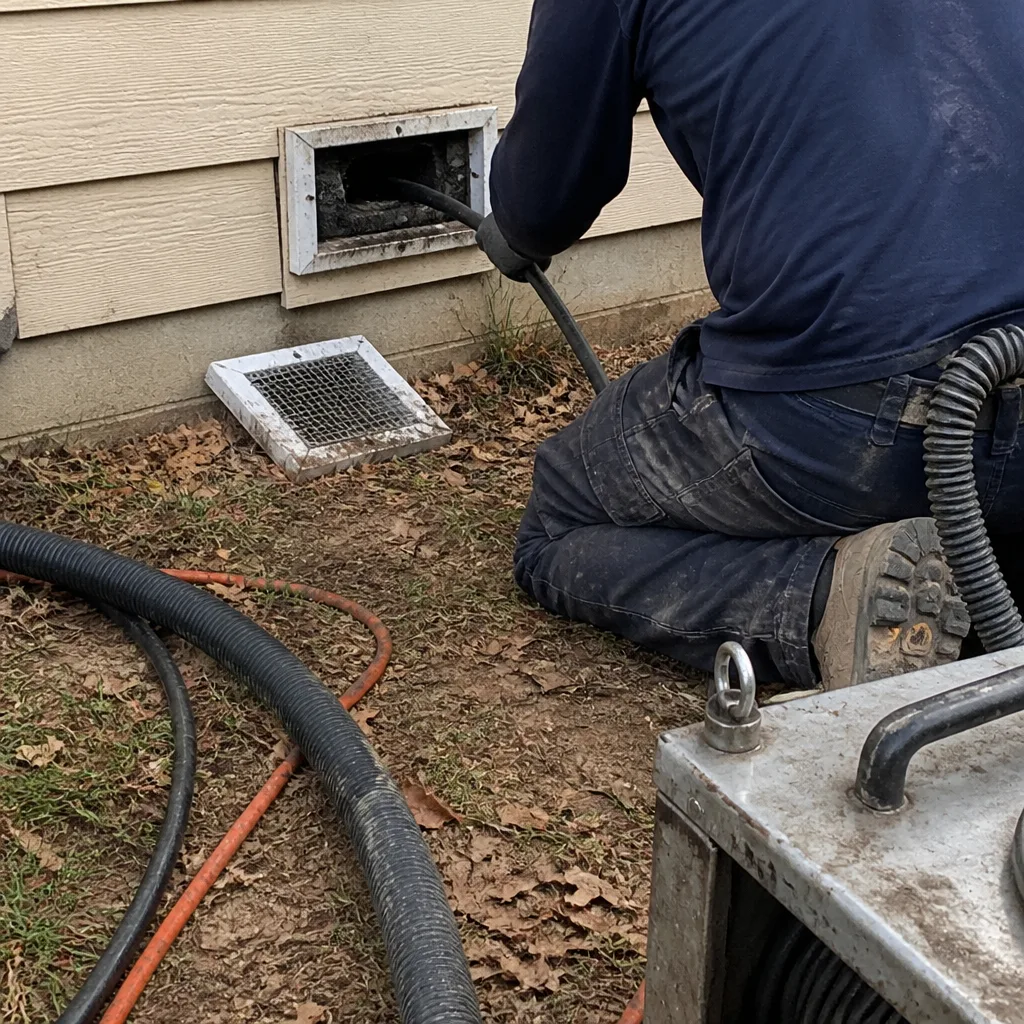 Before
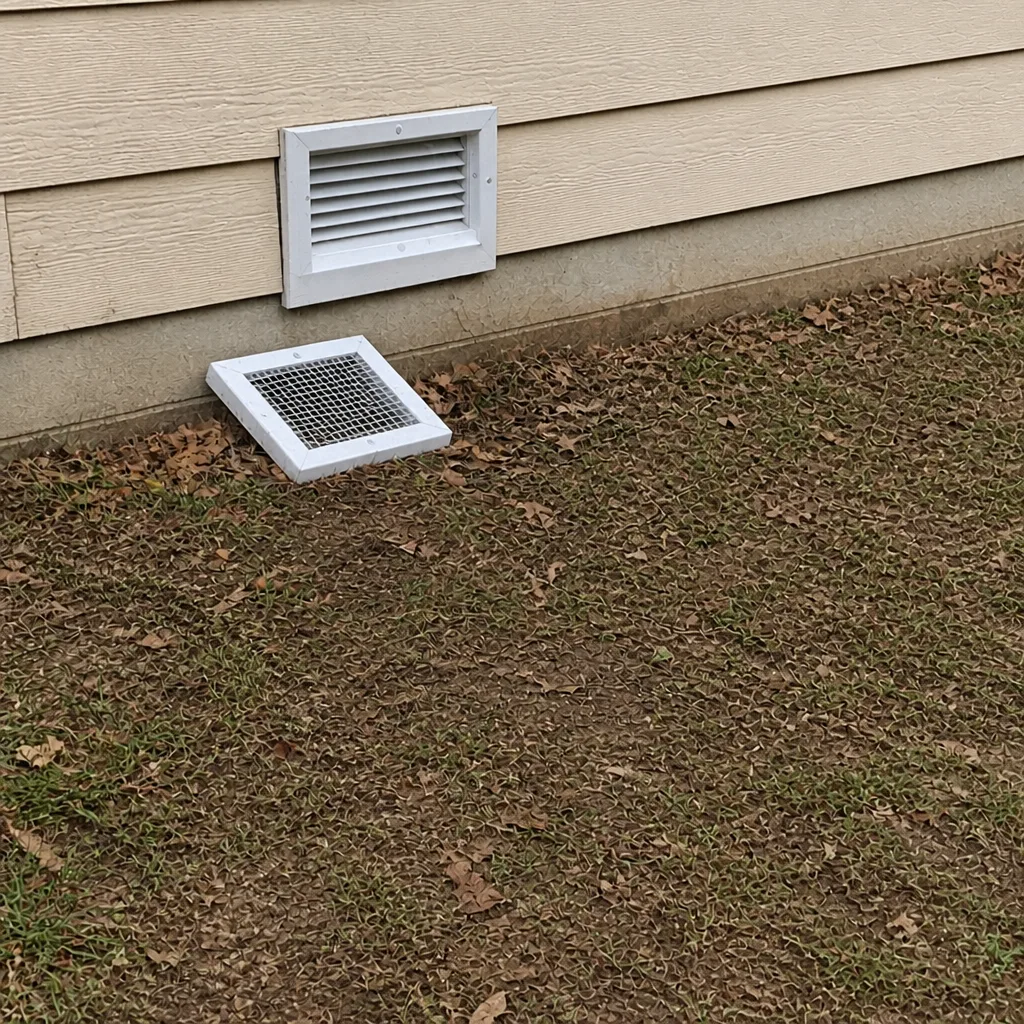 After
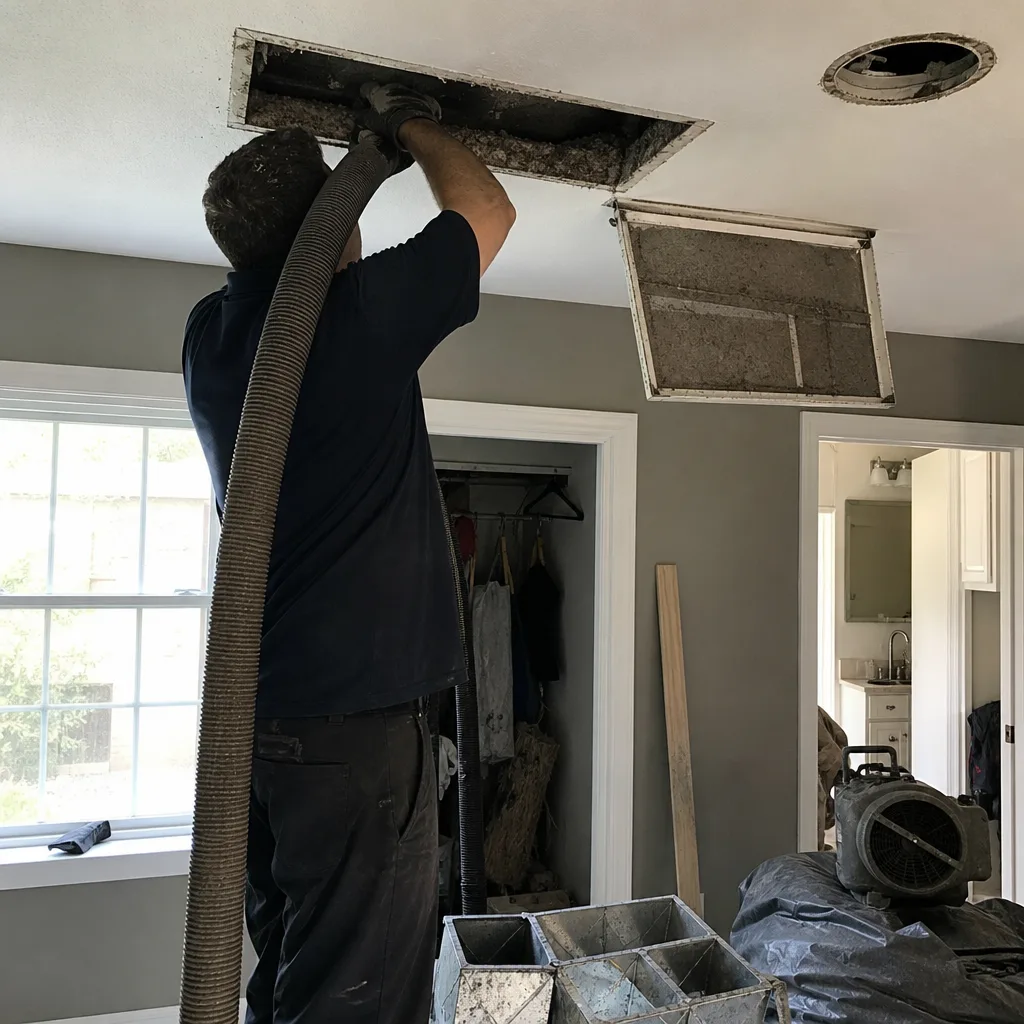 Before
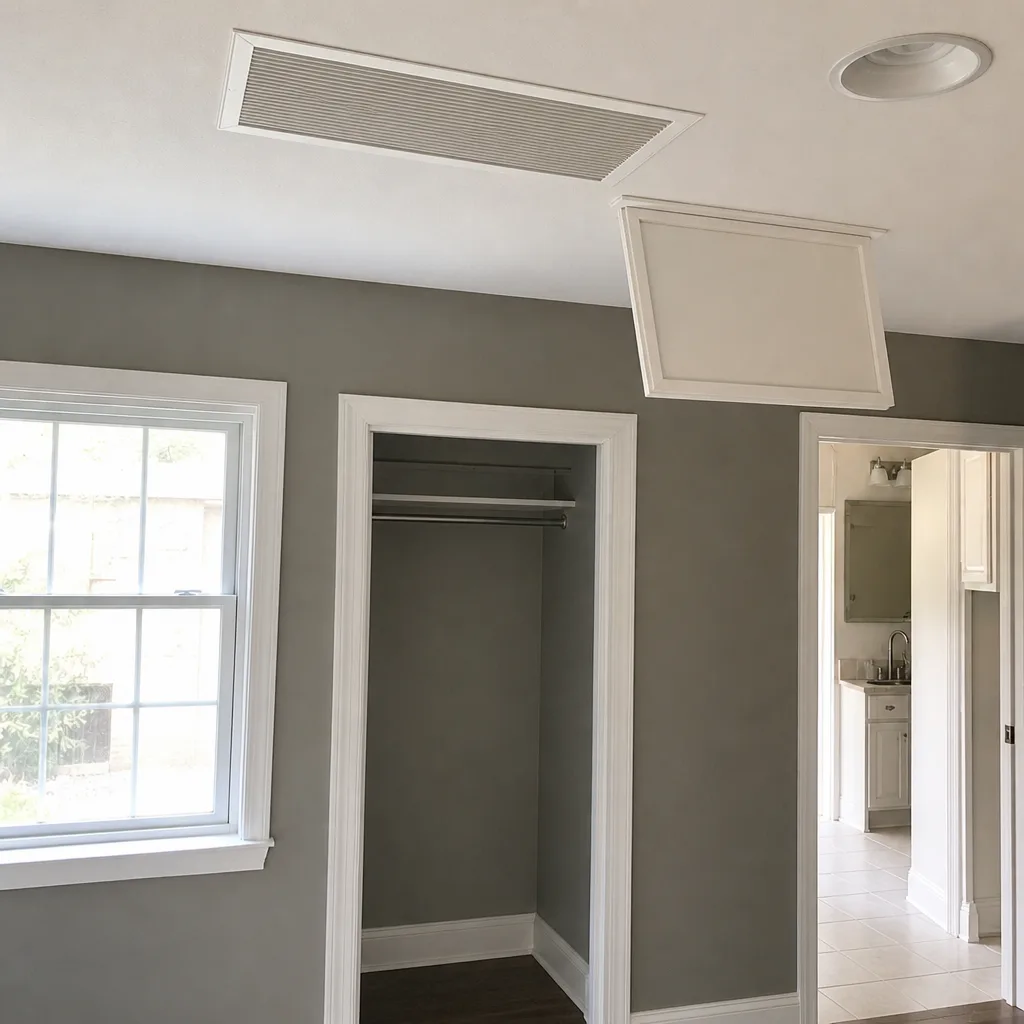 After
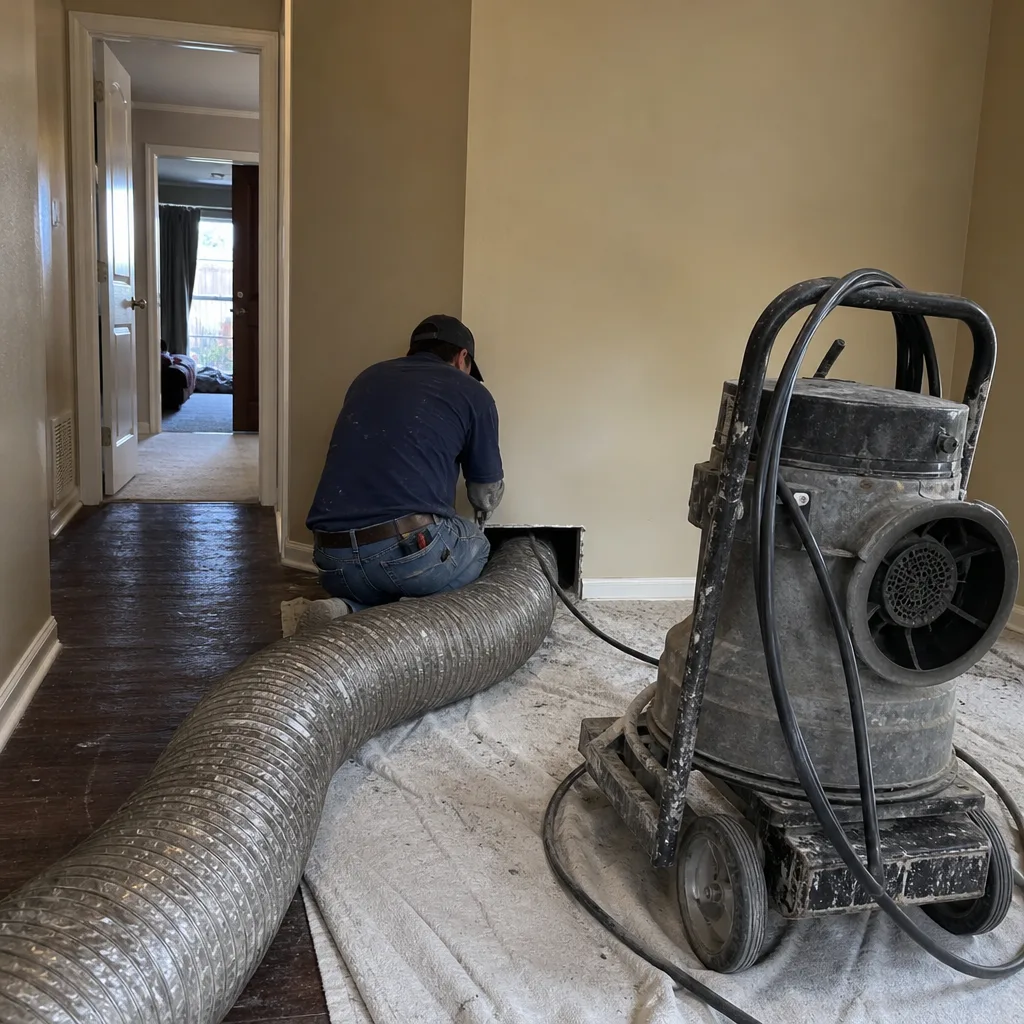 Before
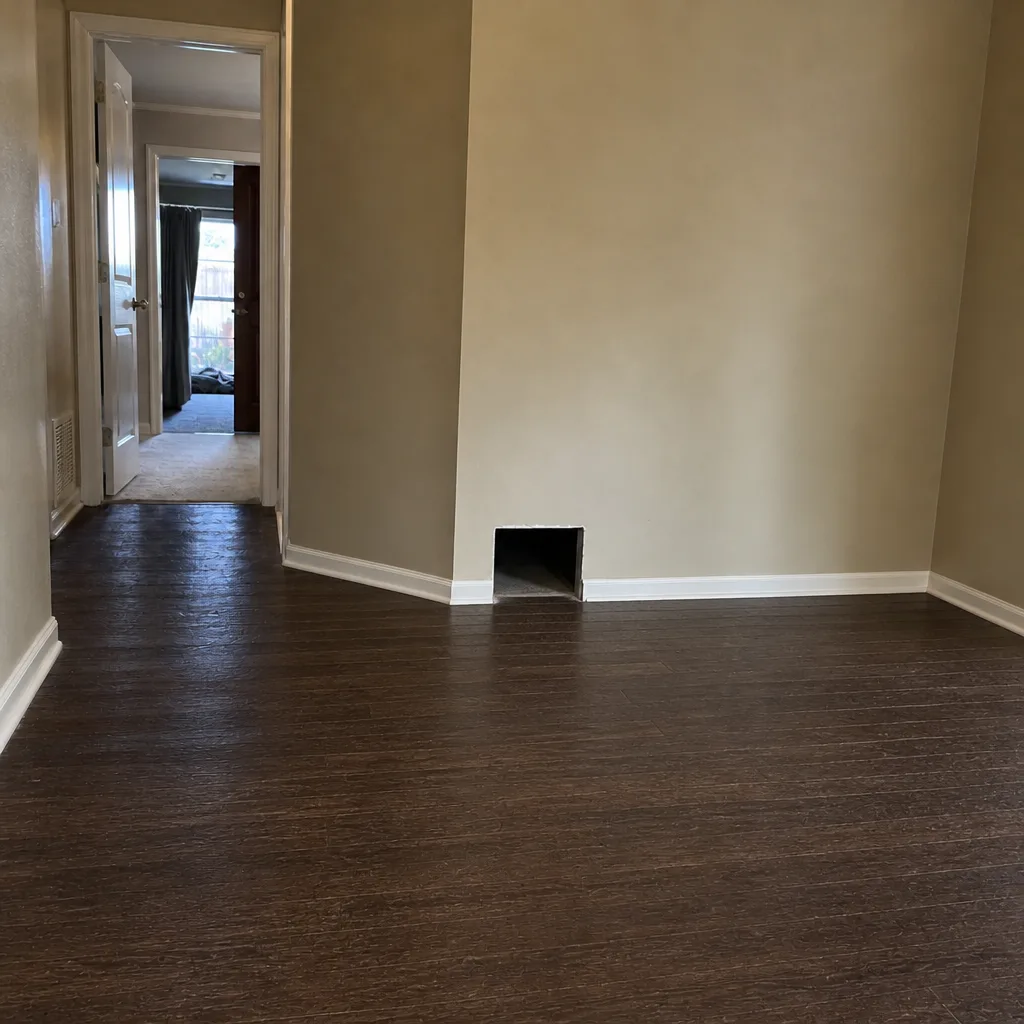 After
When to Call a Professional
Call when you can see visible dust blowing out of a register after the system has been running, when the return grille has developed a visible layer of dust, or when someone in the home has a respiratory condition that makes indoor air quality a priority. Call after a renovation that generated drywall dust or sawdust, since that material works its way into every duct run in the house. Call when a room runs noticeably hotter or colder than the rest of the house, because that’s often a duct issue that cleaning alone won’t solve. And call for dryer vent cleaning when the dryer takes longer to dry a load than it used to, when the outside vent flap doesn’t open freely, or when you can’t remember the last time the run was inspected. Cul-de-sac streets throughout Tyler have homes of similar vintage with similar duct layouts, and the same physical limits apply: attic heat, long flex runs, and decades of dust.
Duct Cleaning Tyler offers free estimates in Tyler: call (877) 610-4987. We answer 24/7. Fast dispatch, 7am-7pm, Sunday through Friday.
Frequently Asked Questions
For a standard single-system Tyler home of roughly 1,500 to 2,500 square feet, a professional whole-system clean typically runs $350 to $650 in 2026. Larger homes, multi-zone systems or heavy contamination push that higher. Dryer vent cleaning is typically $125-$250, and repair work like sealing or flex duct replacement is quoted separately. Call (877) 610-4987 for an exact quote; estimates are free.
Because they usually cover a much smaller scope: often just the visible trunk lines, with no plenum, blower compartment or full return work. In some cases the low quote is a teaser that grows substantially once the technician is on site. A fair quote should be a flat rate per system agreed in writing before work begins, covering a defined scope with before-and-after photos included. If the low number doesn’t come with a scope, it’s not a quote yet.
Insist on before-and-after photos of your own ducts, taken inside the runs, not just at the registers. A professional job includes this as standard practice, and you should see them without asking. The other verification is a walkthrough at the end of the visit, where the technician shows you the air handler, the plenum and any repairs made. If a provider won’t supply photos, find another provider.
For most Tyler homes, roughly every three to five years is a reasonable interval, adjusted for the home. Homes with pets, recent renovations, or occupants with respiratory sensitivity usually need it sooner. Homes with a well-maintained filter and a clean return typically need it less often. There’s no universal rule, but if you can see dust on the return grille or smell a musty odor when the air runs, the interval has passed.
It can help, but the effect isn’t dramatic and it isn’t the main reason to book a clean. Airflow restriction from debris on the blower and coil makes the system run longer, so cleaning a heavily contaminated system does reduce run time. The bigger efficiency gains in most Tyler homes come from sealing and repairing ducts, not cleaning them. A fair provider will quote both when warranted.
Yes, and it’s the practical way to do it. Both services involve inspecting a duct run and cleaning it thoroughly, so booking them together saves an appointment. Ask for the dryer vent to be treated as a standalone safety service with its own inspection of the full run, not a vacuum-and-go add-on. Call (877) 610-4987 and we’ll quote both together.
The Bottom Line
The gap between a cheap duct cleaning quote and a professional one in Tyler is not arbitrary. It’s scope, equipment and repair capability, and it determines whether you’re done for three years or booking again inside 18 months. A fair 2026 Tyler job for a standard single-system home runs roughly $350-$650, with repair and dryer vent cleaning quoted as separate line items. Per-vent pricing, teaser coupons and antimicrobial-first upselling are the red flags. Scope-based flat rates, before-and-after photos, and a provider who can repair what they find are the green lights. The estimate is free, the price is set per job in writing, and the scope you agree on is what you get.
Duct Cleaning Tyler handles air duct cleaning, dryer vent cleaning and air duct repair in one relationship, using professional-grade equipment like Rotobrush and Nikro and product familiarity across Honeywell, Aprilaire, Abatement Technologies and Guardsman lines. If you’re ready for a real quote, call (877) 610-4987. We answer 24/7. Fast dispatch, 7am-7pm, Sunday through Friday.
Written by the team at Duct Cleaning Tyler.