
Last updated November 15, 2026
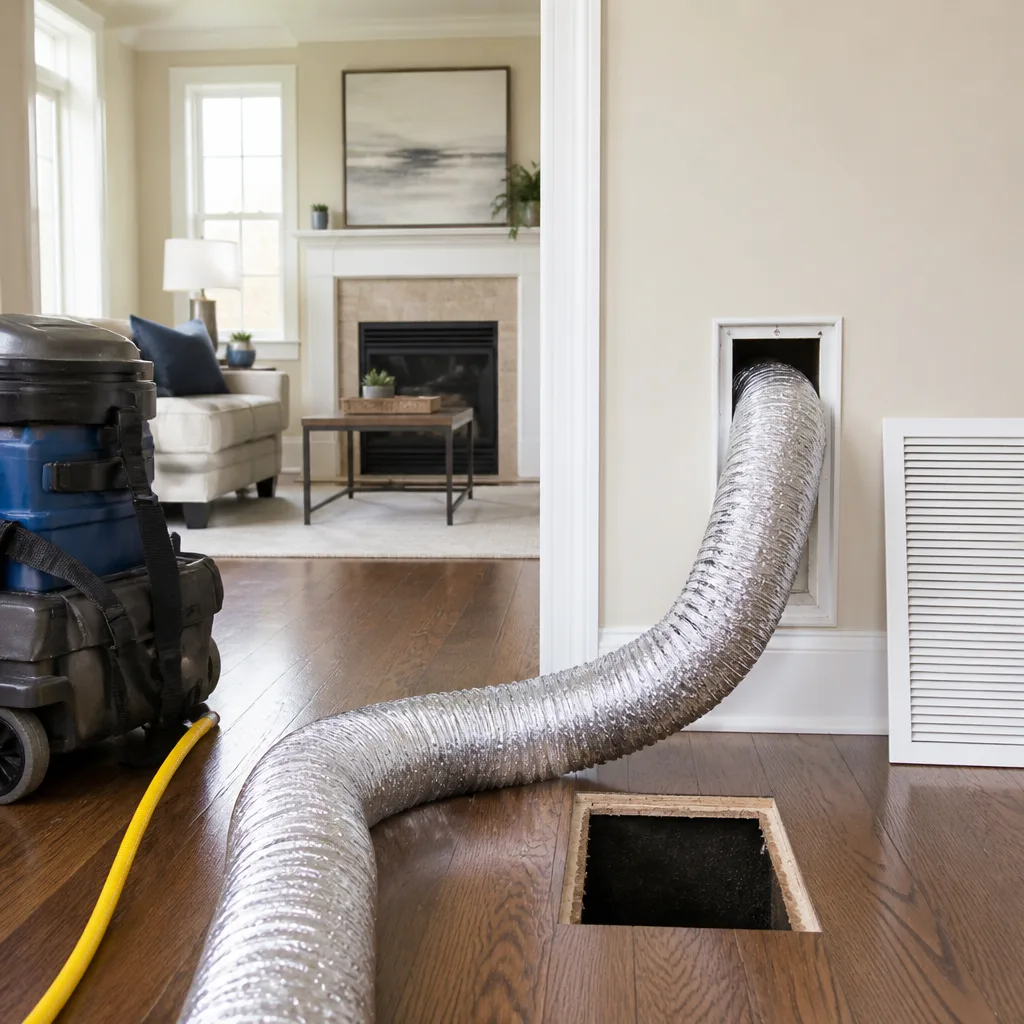 Whole-home duct cleaning
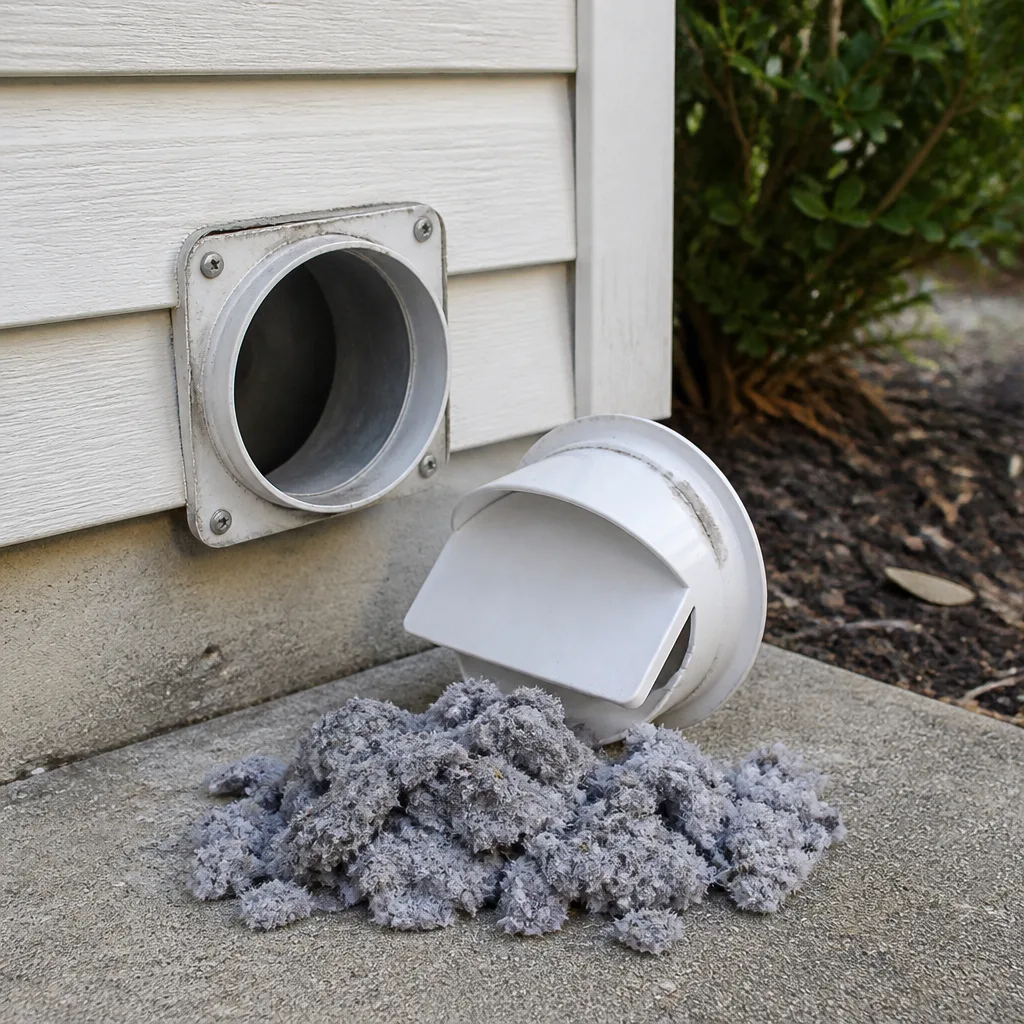 Dryer vent cleaning
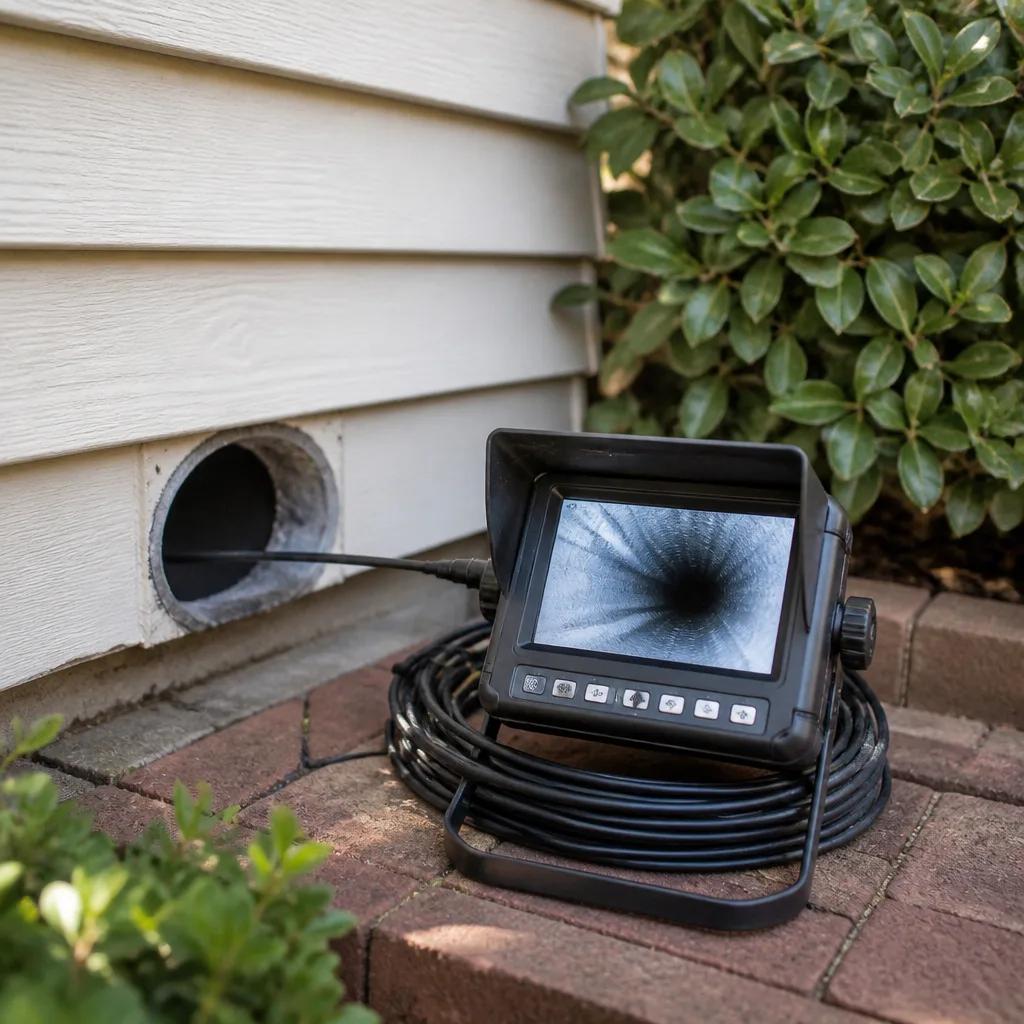 Camera inspection
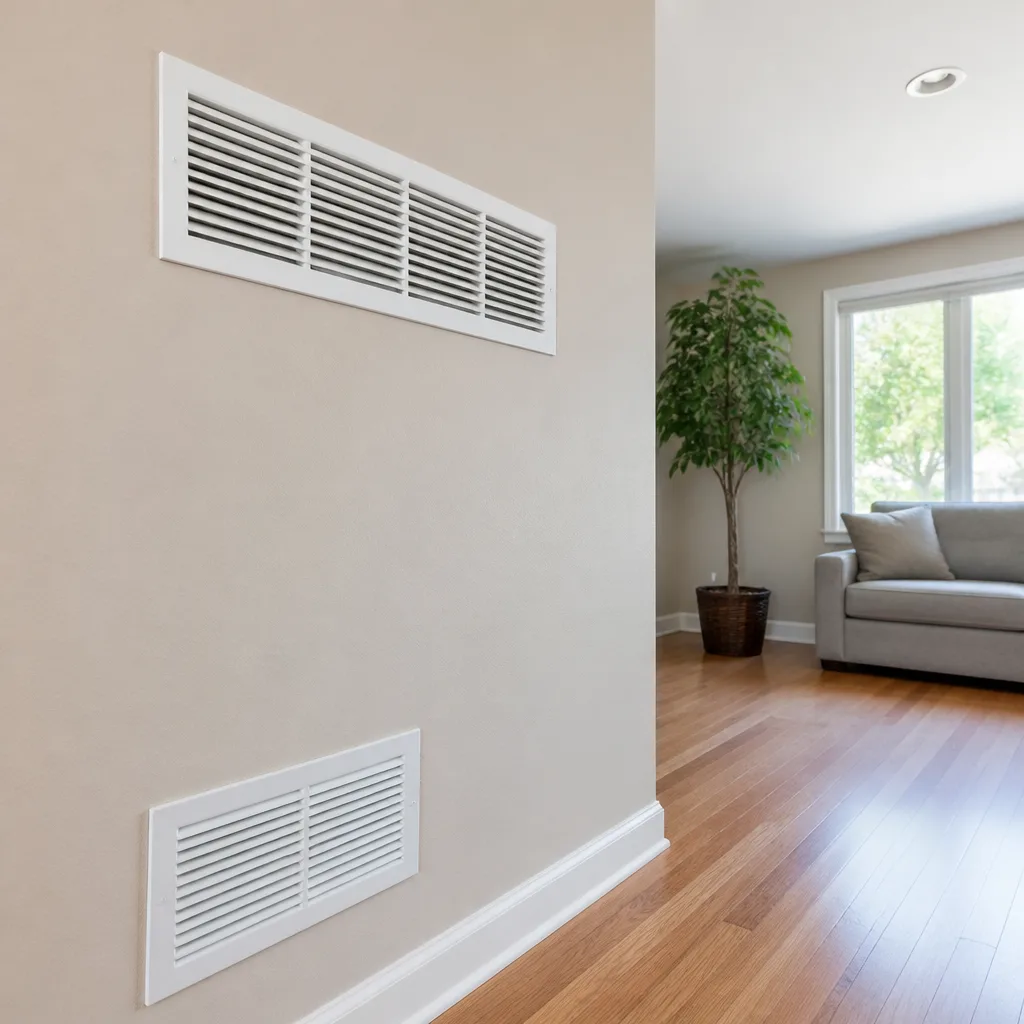 Sanitizing & deodorizing
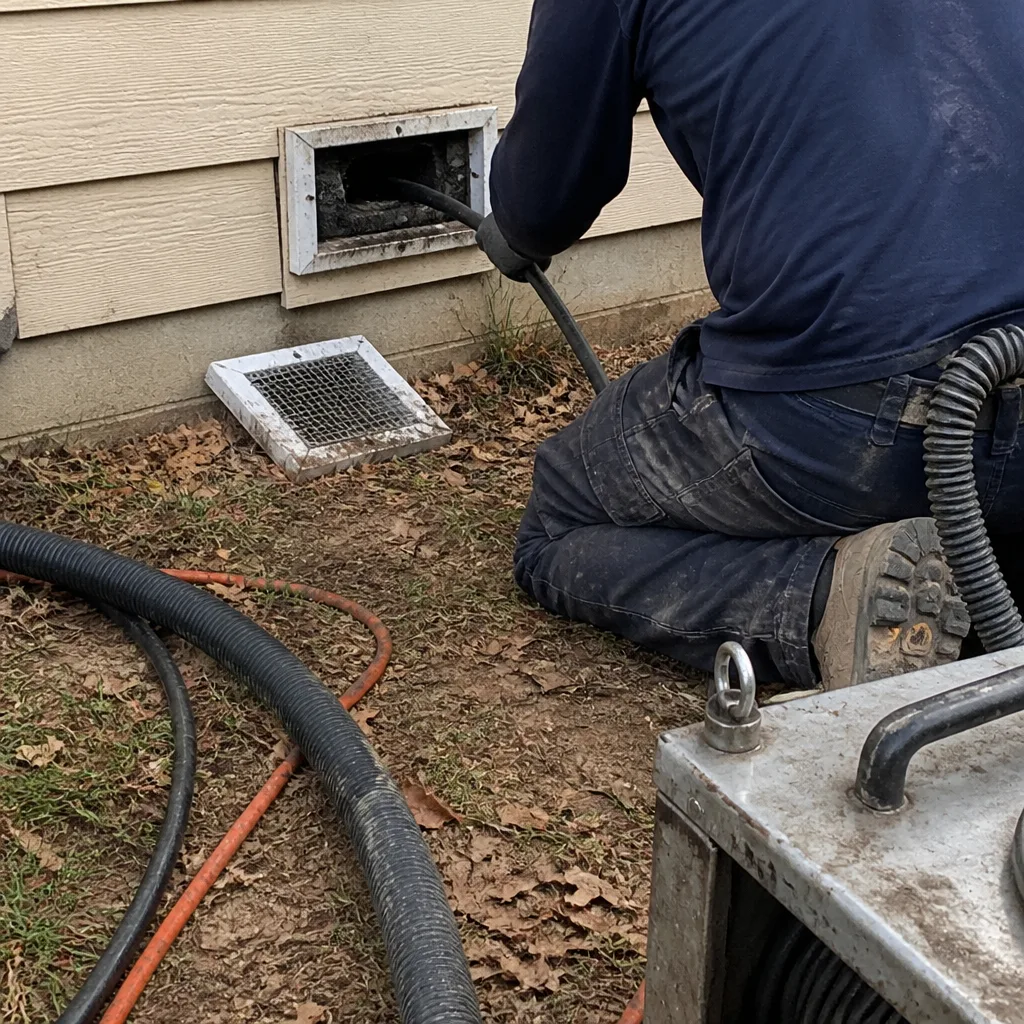
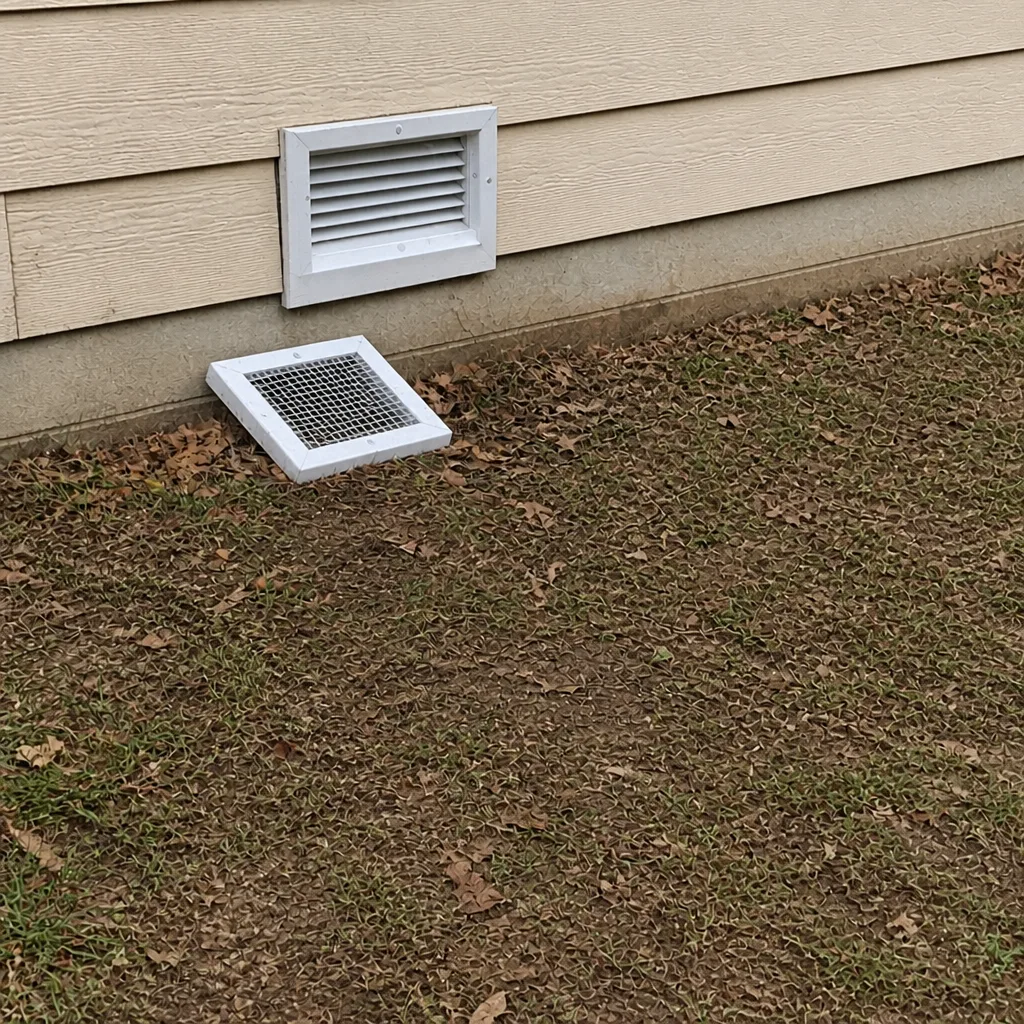
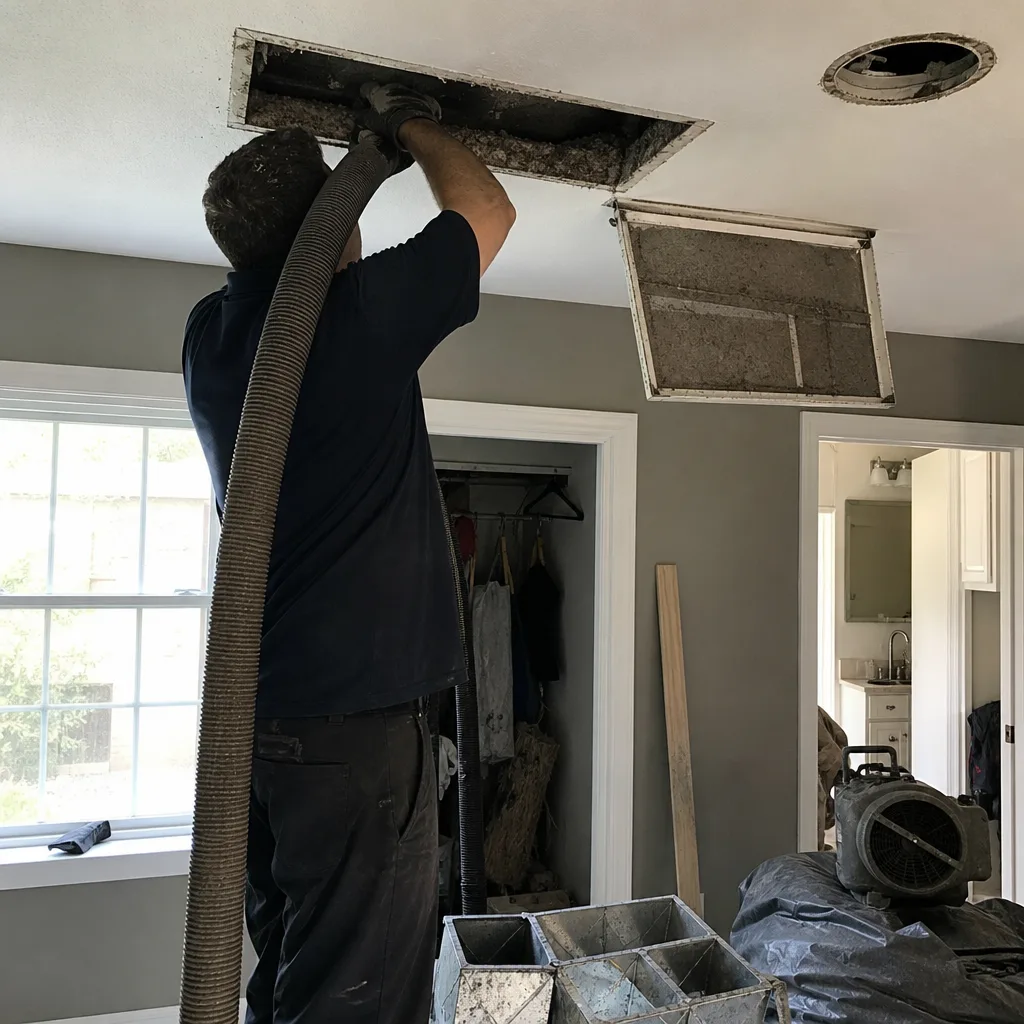
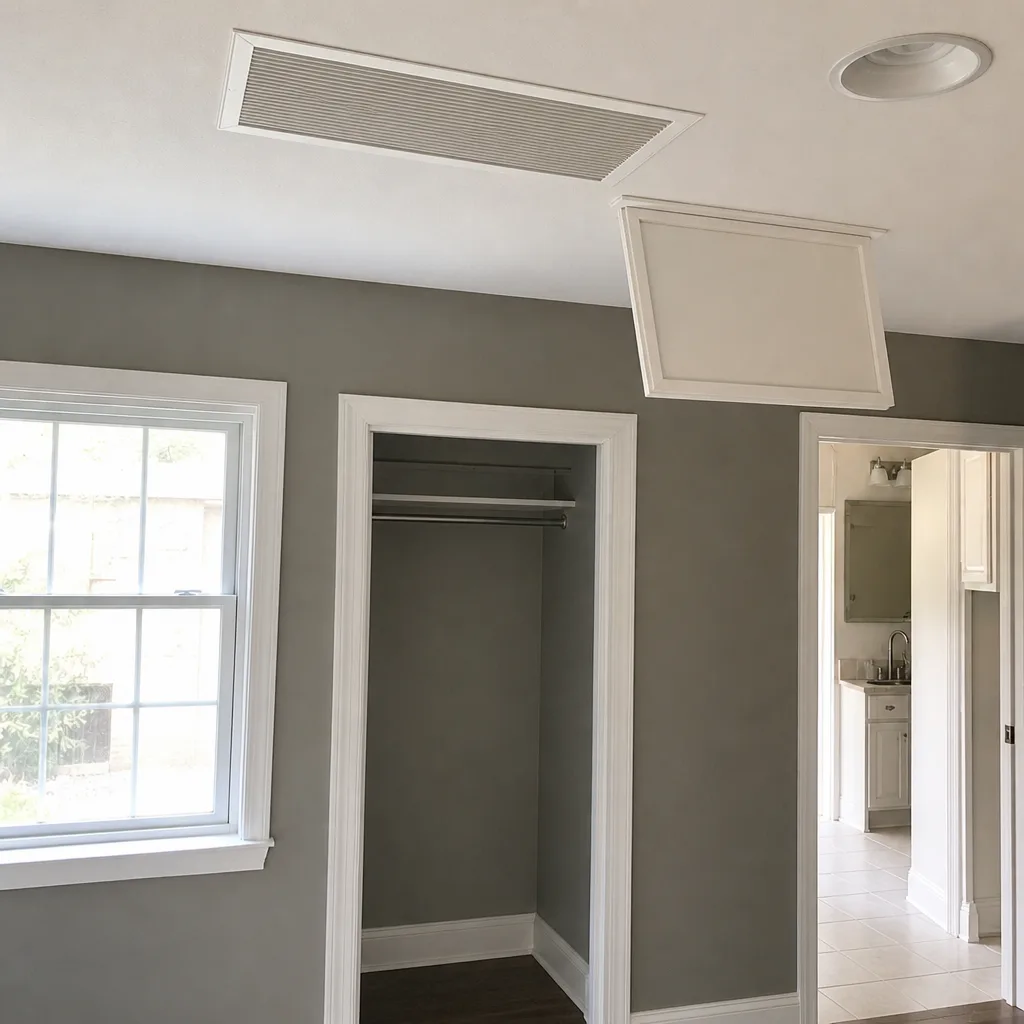
Whole-system duct and dryer vent check with before-and-after photos - you see exactly what came out of your vents
That "$99 whole-house special" is a bait ad - the real number appears once they are in your hallway, or the "clean" is a shop-vac at the register. We photograph the inside of your ducts before and after instead.
How to Hire an Air Duct Cleaning Contractor in Tyler: A Step-by-Step Guide
Texas does not require a license to offer air duct cleaning services, which means anyone can show up with equipment and a business card. That’s the part most hiring guides skip. While other trades in Texas are regulated at the state level, duct cleaning is not, so the only quality filter in this industry is an informed customer. In Tyler, that gap matters. The housing stock here ranges from older homes near the Azalea District to newer construction out in the Cumberland Road corridor, and each one brings different duct problems. This guide gives you a replicable process to make the call confidently: what to ask, what equipment to look for, how to read a quote, and how to verify a contractor is real before you hand over a deposit. You’ll finish knowing exactly how to hire an air duct cleaning contractor in Tyler without guessing.
Quick Answer
To hire an air duct cleaning contractor in Tyler, verify three things before booking: the equipment they’ll use (professional-grade systems like Rotobrush or Nikro, not a shop vac), their method (negative pressure source removal, not just contact vacuuming), and whether they offer an on-site assessment instead of a per-vent price over the phone. Ask for proof of insurance, read reviews for specific details rather than star counts, and confirm the quote is a written flat price for the whole system. A contractor who will do all three is credible; one who won’t is a risk.
Styles & brands we work with
- Whole-home duct cleaning
- Dryer vent cleaning
- Camera inspection
- Sanitizing & deodorizing
Table of Contents
- Why Texas Doesn’t License Duct Cleaning (and What That Means for You)
- The Equipment Check: What Brands Tell You About a Contractor
- Cleaning Methods: Negative Pressure vs. Contact Vacuuming vs. Compressed Air
- Why a Legitimate Quote Requires an On-Site Assessment
- How to Verify Insurance and Read Reviews Critically
- What a Reputable Contractor Provides Before, During, and After
- The Exact Questions to Ask on the Phone
- Don’t Forget the Dryer Vent
Why Texas Doesn’t License Duct Cleaning (and What That Means for You)
Most Texas trades that touch your home – electricians, plumbers, HVAC technicians who handle refrigerant – require state licensing. Air duct cleaning, as a standalone service, does not. There is no state agency that issues a duct cleaning license, no minimum training standard, and no enforcement mechanism beyond general consumer protection law. That’s not a loophole; it’s just how the industry is currently classified. But it has real consequences for anyone hiring in Tyler.
What that means in practice:
- Anyone with a business name and a vehicle can advertise duct cleaning services in Tyler.
- There is no state database to check whether a contractor has been disciplined or shut down.
- Insurance requirements are contractual, not legal – a contractor might carry general liability, or might carry nothing.
- Training and equipment standards are entirely self-imposed by the contractor.
Because the state won’t vet the contractor for you, the vetting has to happen on your end. That’s not as hard as it sounds, and it doesn’t take an hour of research. It takes knowing what to ask. The rest of this guide is that list. If you’d rather start with the basics of what the service actually involves, our air duct cleaning page covers the process from the homeowner’s side.
The other reason this matters in Tyler specifically: the region’s long air conditioning season means ducts work hard for most of the year. Homes here accumulate dust, pollen, and mild biological growth inside ductwork faster than in cooler climates, which makes the equipment and method question more important, not less. A contractor using inadequate equipment leaves the system dirtier than they found it.
The Equipment Check: What Brands Tell You About a Contractor
Ask a contractor directly: “What equipment will you bring?” The answer tells you more than almost anything else. Professional-grade duct cleaning systems are built for full-system cleaning with controlled negative pressure, HEPA filtration, and agitation tools that reach the entire duct run. Consumer vacuums and generic truck-mount rigs are not. The brands you should hear mentioned:
- Rotobrush – a self-contained system designed specifically for residential duct cleaning, with rotary brush agitation and HEPA filtration. Common in the trade because it handles the entire residential system in one pass.
- Nikro – professional-grade negative air machines, HEPA vacuums, and duct cleaning tools used by contractors who take the work seriously.
- Abatement Technologies – contamination control equipment, including HEPA filtration and negative pressure units, typically used on jobs where biological or particulate contamination is a concern.
- Guardsman – system protection products and related indoor air quality accessories.
You don’t need to know the technical differences between them, but you should know this: if the contractor can’t name their equipment, ask them to. In our experience, technicians who work with Rotobrush or Nikro can tell you the model, the filter type, and why they chose it. Contractors who rented a machine for the weekend usually can’t. That’s the test.
A related question: what air quality product lines does the contractor work with? Homes in Tyler with Honeywell or Aprilaire systems installed – common in residential HVAC builds here – require a technician who understands those systems and how duct cleaning interacts with them. Familiarity with Honeywell, Aprilaire, and Abatement Technologies product lines signals a technician who’s been inside ductwork that has real IAQ controls installed, not just a bare system.
If a contractor can’t answer the equipment question, don’t book the job. A duct cleaning in Tyler contractor worth the call will answer it without hesitation.
Cleaning Methods: Negative Pressure vs. Contact Vacuuming vs. Compressed Air
There are three methods you’ll hear about, and only one of them is a legitimate whole-system cleaning. Here’s what each is, and why it matters:
- Negative pressure source removal. The contractor seals the system, connects a HEPA vacuum or negative air machine to the main trunk, and creates a continuous vacuum inside the ductwork while agitating the interior with rotary brushes, whips, or air tools. Loose debris moves toward the vacuum and is captured. This is the industry standard for residential duct cleaning, and it’s the method you want.
- Contact vacuuming. The technician uses a vacuum with a long hose to clean reachable sections of duct. It’s useful for spot work on registers and short runs, but it can’t clean the ductwork behind walls and ceilings because there’s no way to reach it. A contractor offering only contact vacuuming is doing partial work.
- Compressed air agitation. The technician blows compressed air through the duct to loosen debris. Without proper negative pressure and sealing, the debris simply goes somewhere else in the house – into living spaces, onto furniture, into the HVAC equipment. Compressed air alone is not a cleaning method; it’s an aggravation method.
When you ask about cleaning method, listen for the words “negative pressure” and “sealed system.” A contractor who describes a thorough process with HEPA-filtration capture is doing it right. A contractor who describes “blowing out the ducts” or “vacuuming from the vents” is not. This question alone will eliminate a meaningful share of low-bid offers.
In our experience, the method question also surfaces whether a technician can repair what they find. Ductwork in Tyler’s older homes often has disconnected sections, crushed flex runs, or sealed-off registers from prior renovations. A contractor whose only capability is cleaning will hand off the repair to someone else. A contractor with a named repair service can fix it in the same visit. That distinction saves homeowners from managing two contractors and two schedules.
Why a Legitimate Quote Requires an On-Site Assessment
If a contractor gives you a price per vent over the phone, without seeing the system, hang up. That price is not a quote – it’s a bait number. Here’s why it can’t be accurate:
- The number of vents visible from the living room doesn’t equal the number of duct runs. Systems in Tyler homes vary widely: single-story ranch homes, multi-level builds, additions added over the years.
- Duct condition matters more than duct length. A system with crushed flex duct in the attic requires additional labor to clean properly.
- Access matters. Ducts routed through tight attic spaces take longer to clean than ducts with easy access.
- System return configuration matters. Homes with multiple returns require different equipment setup.
- Equipment setup affects scope. A system requiring plastic sealing and HEPA connection takes different materials than a home with a centralized trunk line.
A legitimate quote for air duct cleaning in Tyler requires an on-site assessment. The contractor sees the system, counts the runs, identifies damage, and gives a written flat price for the whole system. That price doesn’t change once the technician is on site, because the technician already saw what they were quoting.
The on-site assessment should also take a modest amount of time. If a contractor shows up, waves a flashlight at two registers, and hands you a number in five minutes, that’s not an assessment. Ask them how many registers they counted, what condition they observed, and whether they found any disconnected sections. A technician doing the job right will have real answers.
How to Verify Insurance and Read Reviews Critically
Insurance is not a legal requirement in Texas for this trade, but a legitimate contractor carries it. Ask for a certificate of insurance before booking. The document should show general liability coverage in the contractor’s business name. If the contractor can’t produce it, that’s not a neutral signal – it’s a reason to find someone else. A technician working inside your walls and attic should carry coverage.
Reading reviews requires more care than most people apply. Star counts are less useful than the content of individual reviews. Here’s what to look for:
- Specificity. Reviews that name the technician’s method, describe the equipment, or mention a specific outcome (“they found a disconnected section in the attic and repaired it”) are more credible than general praise.
- Before-and-after evidence. Reviews that mention photos of the work are a positive signal.
- Patterns, not averages. A handful of detailed negative reviews about pricing surprises is a stronger warning than a lower average rating.
- Recency. Three recent reviews are more useful than ten from several years ago, because equipment and staff change.
- Response quality. If a contractor responds to negative reviews with specifics rather than defensiveness, that’s a signal they take the work seriously.
On NADCA membership: NADCA (the National Air Duct Cleaners Association) publishes a standard for duct cleaning (ACR, the Assessment, Cleaning, and Restoration standard) and offers a certification for technicians. Membership and certification are positive signals of professional commitment, but they are not required in Texas, and some capable contractors are not members. Weight NADCA as one input among several, not as a gate. A contractor who carries NADCA certification but can’t name their equipment is still a risk; a contractor who doesn’t carry it but answers every equipment, method, and insurance question well may still be excellent.
What a Reputable Contractor Provides Before, During, and After
Documentation is where great contractors separate from the rest. Here’s what to expect at each stage:
Before the job:
- A written estimate with a flat price for the whole system, itemized so you can see what’s included.
- A certificate of insurance with the business name visible.
- A scope description: how many runs, what equipment will be used, and whether repairs are included or quoted separately.
- Answers about equipment brand and cleaning method.
During the job:
- Protection of floors and furnishings in work areas.
- Photos taken before and after cleaning.
- Any damage found (disconnected ductwork, crushed flex, blocked registers) identified and shown to the homeowner.
After the job:
- Before-and-after photos of the actual ducts cleaned, not stock photos.
- A written summary of what was cleaned and any issues found.
- If repairs were done, a description of the repair and confirmation the system is connected and sealed.
- A clear answer to the question: is there anything else I should be aware of?
If any of these are missing, ask for them. A contractor worth hiring will provide them without pushback. We offer before-and-after photos as standard practice because they answer the homeowner’s first question: how do I know the work was actually done?
The Exact Questions to Ask on the Phone
Use this list as a script. A credible contractor will answer every question directly. A weak one will dodge, get defensive, or redirect to “we’ll explain when we’re there.”
- What equipment do you use? (Listen for Rotobrush, Nikro, or Abatement Technologies.)
- What is your cleaning method? (Listen for negative pressure source removal with HEPA filtration and sealed system.)
- Do you offer an on-site assessment, or do you quote per vent over the phone? (Correct answer: on-site assessment.)
- Do you do air duct repair, or just cleaning? (The right answer: both. If they only clean, ask who handles repairs.)
- Can you provide a certificate of insurance? (Yes or no.)
- Will I get before-and-after photos of my system? (Yes, and of my actual system, not stock photos.)
- Do you clean dryer vents? (Duct cleaning and dryer vent cleaning are separate services, and a contractor who does both saves a second call.)
- What is the total flat price for my system, and does it change once you’re on site? (Correct answer: no change after the on-site assessment.)
Note the pattern: the questions are about capability, not price. Once you’ve confirmed the contractor has the right equipment, method, and process, the price will be reasonable for the work being done. If the price seems unusually low, that’s the signal. When a quote per vent is dramatically below the market, the technician is doing partial work or planning to find add-ons once they’re inside.
Also ask whether the contractor does repair. Our Tyler location page covers what our three services include in one visit, and you’ll notice the difference: cleaning, dryer vents, and repair under one roof. That’s the scope we recommend you look for from any contractor you hire, ours or otherwise.
Don’t Forget the Dryer Vent
Duct cleaning and dryer vent cleaning are treated as one job by many contractors, and they shouldn’t be. The dryer vent is a fire-safety system, not an air quality system. Lint accumulation inside the vent run is one of the leading causes of residential house fires, and the vent is not part of the HVAC system your duct cleaner cleans. They should be handled as separate services, with the dryer vent treated as a safety service specifically.
Ask any contractor: “Do you clean dryer vents, and is that a separate service?” If the answer is a yes + separate, that’s a good sign. If the answer is “we throw it in for free” or “we don’t do that,” you’ve learned something about how they scope their work. A contractor who treats dryer vent cleaning as a standalone safety service knows the vent should be inspected for the full length of the run, not just the last few feet behind the dryer. Our dryer vent cleaning service exists because this is a different job from duct cleaning with a different risk profile, and it deserves its own dedicated visit.
If your dryer is taking longer to dry clothes than it used to, or the exterior damper doesn’t open fully when the dryer is running, the dryer vent needs to be cleaned regardless of whether the HVAC ducts are clean.
Common Mistakes to Avoid
- Booking a per-vent phone quote. Any price given without an on-site assessment is not a quote. It’s a starting point that changes once the technician sees the system – and not in your favor.
- Not asking about equipment. A contractor who can’t name the equipment they use is a contractor who either doesn’t know or doesn’t want you to check. Ask the question.
- Ignoring the method question. Compressed air without proper negative pressure doesn’t clean ductwork; it redistributes debris into the living space. Confirm negative pressure source removal.
- Treating NADCA membership as the only filter. It’s a useful positive signal, but it’s not required in Texas, and the equipment, method, and insurance questions are more informative.
- Not asking about repair. Ductwork in Tyler homes frequently has damaged or disconnected sections. If your contractor only cleans, you’ll be coordinating a second contractor before the job is truly finished.
- Skipping the insurance request. A contractor without liability coverage is a contractor who can leave you holding a repair bill. Ask for the certificate before booking.
- Scoping the dryer vent out. Setting up a separate dryer vent appointment feels like a hassle. Skipping it is a safety call, and the wrong one.
See the difference
 Before
 After
 Before
 After
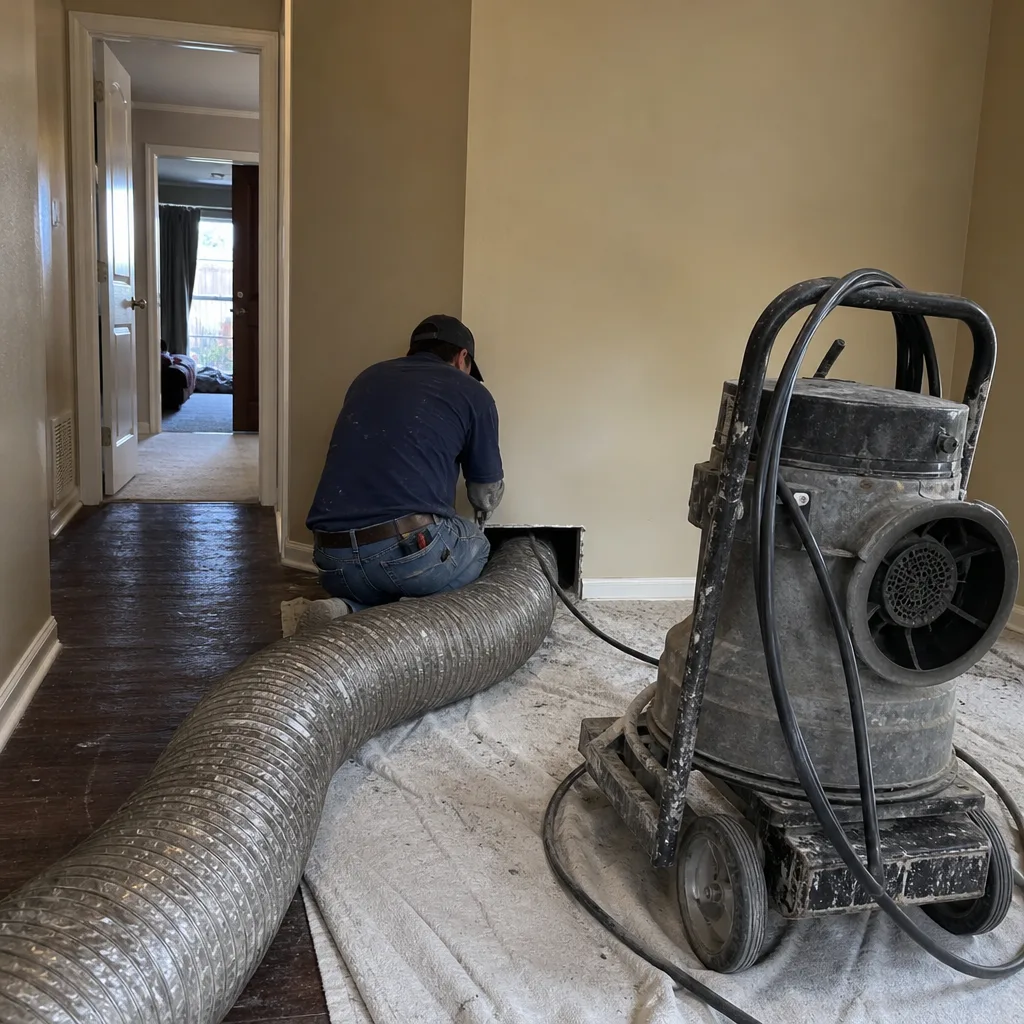 Before
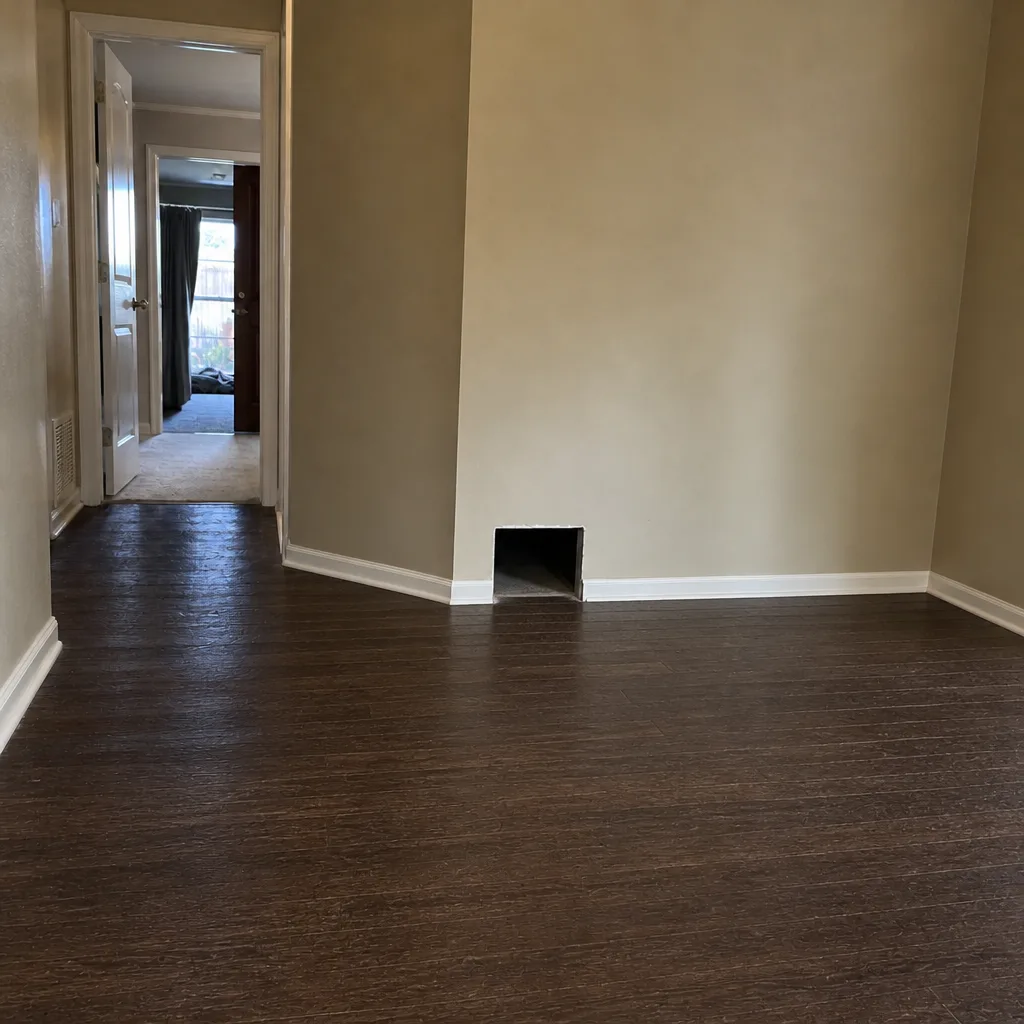 After
When to Call a Professional
Some duct cleaning can be a judgment call on timing. Other situations warrant a call right away. Here’s when to stop researching and pick up the phone:
Your HVAC system has visible dust buildup around the return registers even after you’ve changed filters. You notice increased dust settling on surfaces throughout the house within days of cleaning. Your energy bills are climbing without a rate change or clear explanation. You’ve recently renovated or had work done in the attic or crawlspace, and you suspect construction debris entered the ductwork. Your dryer is taking longer to dry clothes, or you notice a burning smell when the dryer runs. You’ve just moved into an older Tyler home and don’t know the duct system’s history. Or you’ve already had one “cleaning” done and want a second assessment because the first process seemed thin.
Duct Cleaning Tyler offers free estimates in Tyler. Our technicians have up to 14 years of experience, work with Rotobrush and Nikro equipment, and can assess and repair ductwork in a single visit. Call (877) 610-4987. We answer 24/7. Fast dispatch from 7am to 7pm, Sunday through Friday.
Frequently Asked Questions
Air duct cleaning in Tyler is priced per whole system, not per vent, and depends on the number of duct runs, system complexity, and any repair work needed. Typical costs vary by home size and scope, and the written estimate after an on-site assessment is what sets the final price. Call (877) 610-4987 for an exact quote – estimates are free.
Extremely low quotes are usually not quotes – they’re teaser prices that change once the technician is on site, or they reflect partial work: contact vacuuming at the registers without negative pressure source removal of the full system. A legitimate flat price for the whole system reflects the actual scope of the work. Call (877) 610-4987 for an exact quote – estimates are free.
Ask for before-and-after photos of your own ducts, not stock photos. A reputable contractor documents the job from inside the system. Our technicians photograph each run before and after cleaning as standard practice. Call (877) 610-4987 for an exact quote – estimates are free.
Most homes in Tyler should have ductwork cleaned every few years, though the right interval depends on the home – renovations, pets, allergies, and recent moves all shorten the window. A system with visible dust on supply registers is usually overdue regardless of how recently it was cleaned. Call (877) 610-4987 for an exact quote – estimates are free.
No. Texas does not currently license air duct cleaning as a standalone service. That makes equipment, method, insurance, and documentation questions more important, not less. Ask them all before booking. Call (877) 610-4987 for an exact quote – estimates are free.
Not if you hire a contractor who offers both. Duct damage in Tyler’s older homes – disconnected sections, crushed flex runs, sealed-off registers from renovations – is common, and a cleaning-only contractor will hand you off to a repair specialist. A contractor with a named air duct repair service can fix what they find in the same visit. Call (877) 610-4987 for an exact quote – estimates are free.
The Bottom Line
Hiring an air duct cleaning contractor in Tyler comes down to three checks: what equipment they use (Rotobrush, Nikro, and Abatement Technologies are the professional signal), what method they use (negative pressure source removal is the standard), and whether they offer an on-site assessment before quoting. Add in the insurance request, the repair question, and the before-and-after photo expectation, and you have a process that eliminates the contractors who can’t or won’t do the work properly. Texas doesn’t license this trade, so your questions are the filter. Ask them, don’t skip them, and you’ll land on a contractor worth hiring. If you’d rather skip the search and start with an assessment, call (877) 610-4987 for a free estimate. Our technicians have up to 14 years of experience, we run Rotobrush and Nikro equipment, and we repair what we find.
Written by the team at Duct Cleaning Tyler.