
Last updated November 15, 2026
 Whole-home duct cleaning
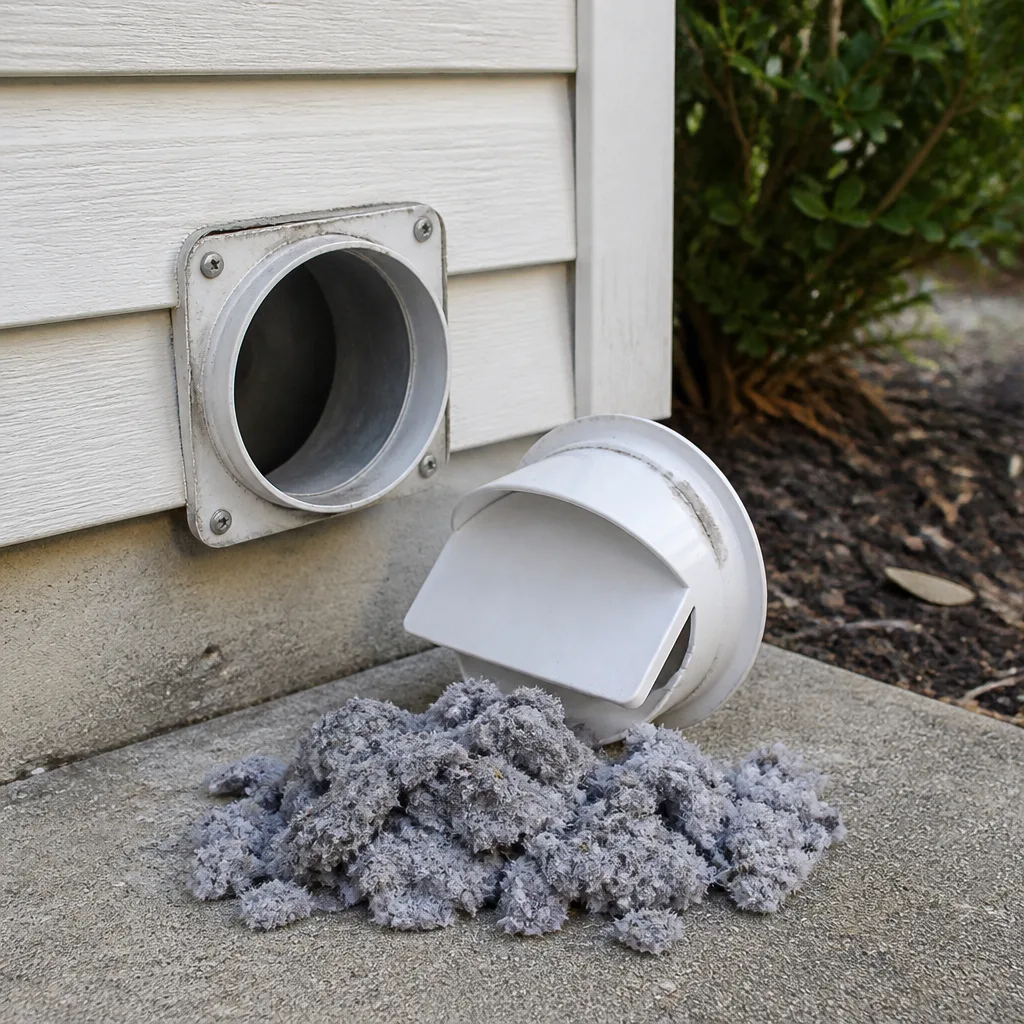 Dryer vent cleaning
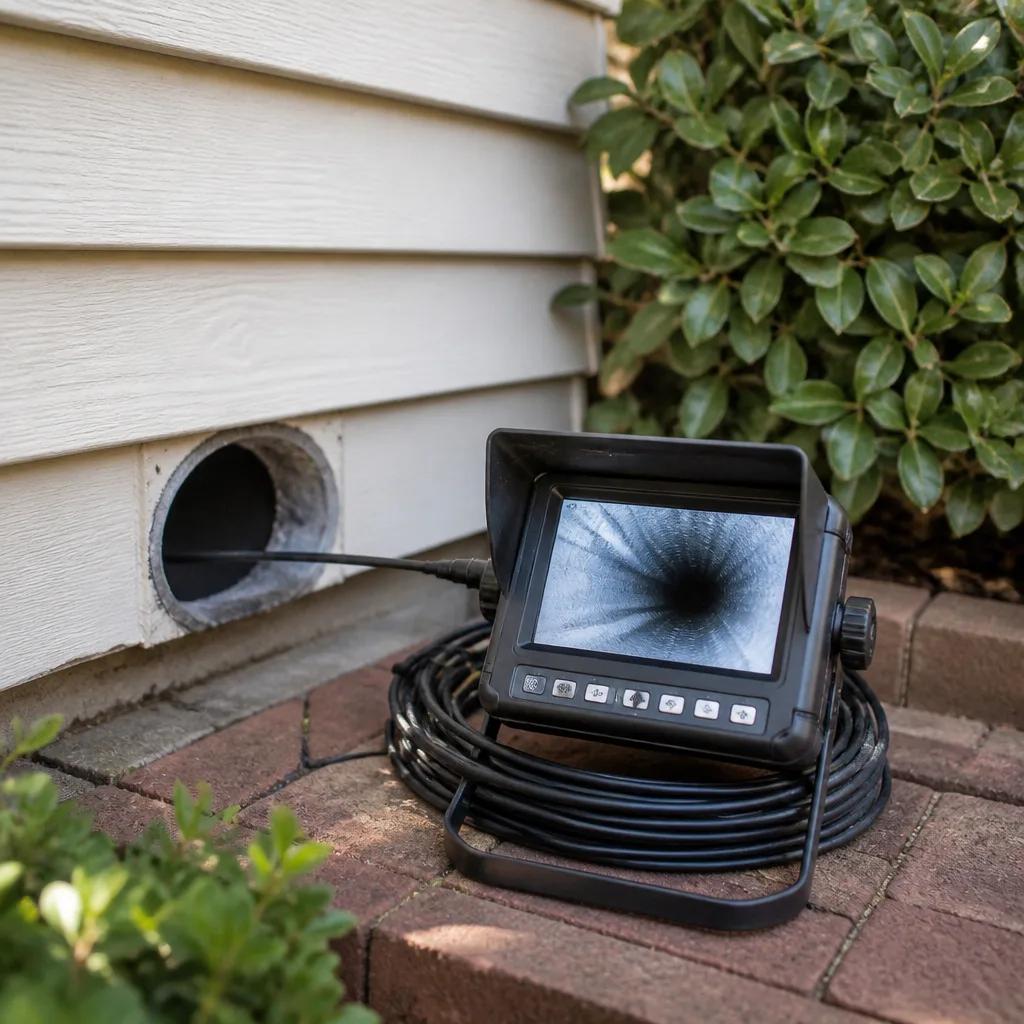 Camera inspection
 Sanitizing & deodorizing
Whole-system duct and dryer vent check with before-and-after photos - you see exactly what came out of your vents
That "$99 whole-house special" is a bait ad - the real number appears once they are in your hallway, or the "clean" is a shop-vac at the register. We photograph the inside of your ducts before and after instead.
Seasonal Air Duct Cleaning Care for Tyler: Year-Round Homeowner’s Guide
By the time most Tyler homeowners think “maybe I should get my ducts cleaned,” they’re already six months into a cooling season that has pushed their system harder than most northern cities see in a full year. That’s the trap. Tyler doesn’t run four equal seasons. It runs a long, punishing summer, a compressed shoulder period, and a short, mild winter. Duct care priorities shift on that calendar, not on the tidy quarterly schedule you’ll find in national guides. This guide maps specific duct system tasks to Tyler’s actual weather year, so you know what to check, when to schedule it, and why the timing matters.
Quick Answer
In Tyler, the best window for a full duct cleaning and inspection is March through April, before peak cooling demand locks up contractor schedules. During the May through September cooling season, monitor for musty odors, weak register airflow and condensate issues without opening the system. Schedule a post-summer assessment in October, handle duct sealing and attic insulation checks in November through February, and stay on top of filtration during East Texas pollen season. A single provider that cleans, repairs and handles dryer vent cleaning can cover the whole calendar.
Styles & brands we work with
- Whole-home duct cleaning
- Dryer vent cleaning
- Camera inspection
- Sanitizing & deodorizing
Table of Contents
- Why Tyler’s Climate Breaks the Standard Duct Care Schedule
- Pre-Cooling Season (March – April): The Highest-ROI Window
- Summer Operation (May – September): What to Monitor Without Opening the System
- Post-Summer Assessment (October): Did Summer Leave Contamination Behind?
- Winter Readiness (November – February): Sealing, Insulation and Attic-Run Flex Duct
- Spring Pollen Overlap: How Pine and Oak Load Your Filtration
- The Tyler Duct Care Calendar at a Glance
- Common Mistakes to Avoid
Why Tyler’s Climate Breaks the Standard Duct Care Schedule
Most national duct cleaning advice assumes a climate with four roughly equal seasons. Tyler doesn’t work that way. The cooling season dominates the year, running from May into September and often stretching longer. Humidity is high through that stretch, and the system runs nearly continuously. The shoulder periods are short. Winter is mild, but it isn’t absent; Tyler does see intermittent hard freezes that catch homeowners off guard.
That pattern has direct consequences for your ductwork and the air it moves.
- Long cooling runs mean more condensation risk. When an air handler runs for months at a time in humid air, moisture management becomes the central issue. Wet spots inside a system are where biological growth starts.
- Short shoulder periods compress your windows. March and April are genuinely the best months to schedule inspection and cleaning before demand peaks. Miss them and you’re competing for attention in June.
- Mild winters don’t eliminate cold snaps. Attic-run flex duct in East Texas is vulnerable to intermittent freezes, and ductwork that isn’t sealed or insulated well can lose efficiency quickly when temperatures drop.
- Pollen season overlaps the cooling ramp-up. East Texas pine and oak pollen loads hit exactly when the system starts running hard, and that combination drives filtration and duct contamination together.
The practical takeaway: Tyler duct care isn’t about doing the same task four times a year. It’s about matching the right task to the right month. Our technicians have up to 14 years of experience with systems installed in this climate and know how these seasonal patterns play out in local homes.
Pre-Cooling Season (March – April): The Highest-ROI Window
If you schedule one duct service this year, make it a pre-cooling season inspection and cleaning in March or April. This is the highest-return window on Tyler’s calendar, and the reason is partly about your system and partly about logistics.
On the system side, the ducts have just come out of a mild winter. Winter is the period when your system runs least, which means a few months of low airflow. That’s actually a good time to look: any contamination that built up during the previous cooling season is sitting undisturbed, and you can see the true condition of the ductwork before the next season pushes it back into constant use. Cleaning before summer means you’re not blowing last season’s contamination through the house all summer.
On the logistics side, pre-season demand is lower. Cooling season in Tyler is long and busy. Scheduling in March or April means more flexibility and less pressure on everyone’s calendars.
Here’s how a pre-cooling season service typically goes:
- Full inspection first. A technician evaluates the full duct system, including the air handler connection, main trunk lines, branch runs and registers, and looks for disconnected sections, crushed flex duct, or torn insulation.
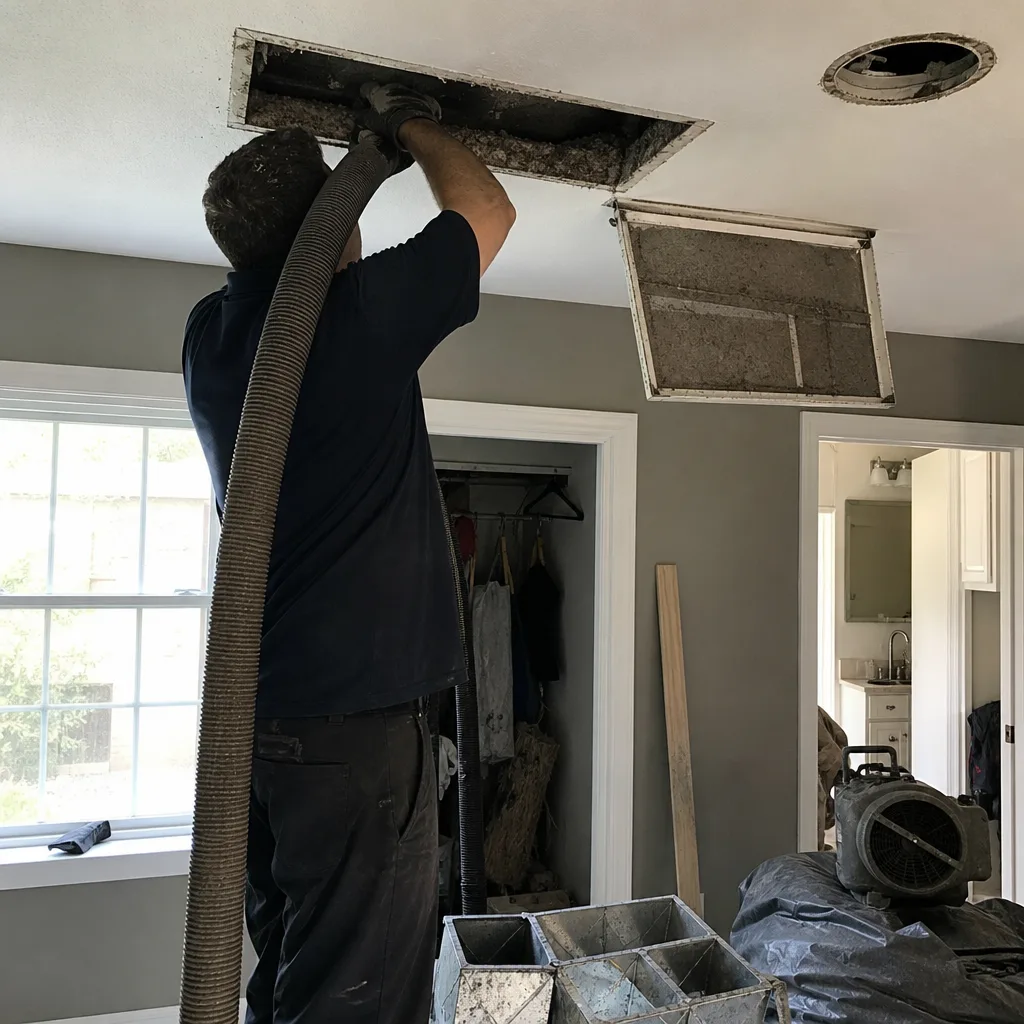
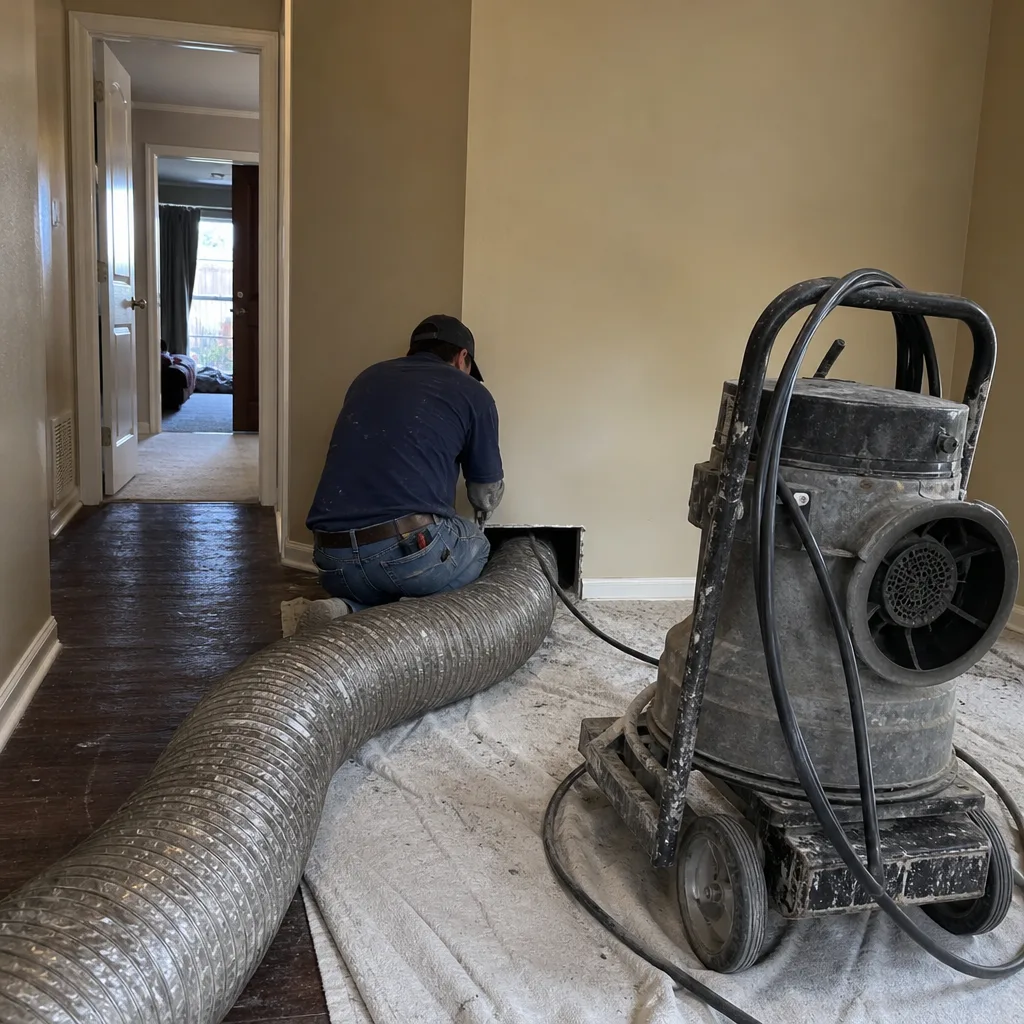
- Professional cleaning. Using professional-grade equipment like Rotobrush and Nikro systems, the technician cleans the ducts thoroughly, then captures loose debris with negative-pressure containment.
- Air duct repair as needed. This is where a provider with repair capability matters. If the inspection finds damaged ductwork, a clean-only outfit has to hand off the job. We repair what we find as part of the same visit.
- Before-and-after documentation. Ask for photos of your own ducts. Looking at before-and-after images of your own system is the most direct way to confirm the work was done.
Scheduling a thorough air duct cleaning in this window sets you up for the cooling season with a clean system.
Summer Operation (May – September): What to Monitor Without Opening the System
Once Tyler’s cooling season is running, the job changes. During peak summer, you’re not cleaning; you’re monitoring. The system is running nearly continuously, humidity is high, and any moisture problem inside the ducts will compound quickly. Here’s what to watch, without opening anything or attempting a DIY inspection deep inside the system.
- Musty or earthy odors at the registers. A musty smell when the system runs is a strong signal of moisture or biological growth somewhere in the system. Don’t dismiss it and don’t try to mask it with air freshener.
- Weak or uneven register airflow. If one room’s register feels noticeably weaker than before, a branch duct may have disconnected, collapsed or developed a leak. This is common with flex duct routing through hot attics.
- Condensate problems. Check the condensate drain pan and line for standing water or overflow. A clogged condensate drain in a humid Tyler summer can lead to water in places it doesn’t belong.
- Dust patterns at the return. A return grille that keeps collecting visible dust quickly after cleaning often points to a filtration issue rather than a duct issue, but it’s worth noting.
- Filter condition. Check your filter monthly during peak cooling and change it on the manufacturer’s recommended interval. In a long Tyler summer, filters load faster than the packaging may suggest.
If you notice musty odors, significant airflow changes, or any sign of water where it shouldn’t be, that’s a signal to book an assessment rather than wait. If you have a system-level air quality product installed, familiarity with brands like Honeywell, Aprilaire or Abatement Technologies helps a technician understand what they’re looking at during a mid-season assessment. The key is this: don’t open the system to investigate yourself. Screen for symptoms and call a professional.
Post-Summer Assessment (October): Did Summer Leave Contamination Behind?
October is the second most important month on Tyler’s duct care calendar, and most homeowners skip it. The logic is simple. After five to six months of near-continuous cooling operation in a humid climate, your duct system has been through its hardest stretch of the year. Before the system sits less-used over winter, it’s worth knowing whether that summer left contamination or damage behind.
What a post-summer assessment looks for:
- Moisture or biological growth that developed during the high-humidity cooling months
- Ductwork that came loose, sagged, or developed a leak during the long run season
- Visible buildup in the duct runs and at the air handler
- Filter and filtration system condition after months of heavy load
- Overall condition of flex duct runs in the attic, which take thermal stress all summer long
Three outcomes are possible. If the system is clean and sound, you’re done until spring. If contamination built up, cleaning in October prevents it from sitting in the system for four months and being recirculated when the system next runs hard. If damage is found, air duct repair now is far easier than dealing with a failed branch duct in the middle of next July.
This is also a good time to look at your dryer vent if you haven’t recently. Dryer vent cleaning is a fire-safety service, not a maintenance afterthought; lint accumulation in the vent line is one of the leading causes of residential house fires. Treating it as its own dedicated service, rather than an add-on tacked onto a duct cleaning, is how we approach it. If you’re already scheduling an October assessment for the ducts, it’s a natural time to check on the dryer vent line too. Call (877) 610-4987 to set up a seasonal assessment.
Winter Readiness (November – February): Sealing, Insulation and Attic-Run Flex Duct
Tyler winters are mild, and that can lull homeowners into skipping duct prep altogether. The trouble is the word “mild” doesn’t mean no hard freezes. Tyler sees intermittent cold snaps, and those snaps expose any weakness in duct sealing and insulation. Attic-run flex duct is especially vulnerable because the attic temperature swings far more than the conditioned space below.
Winter readiness tasks to prioritize:
- Inspect attic duct runs for disconnected joints and torn insulation. A joint that worked loose during a summer of thermal expansion can leak badly on a cold morning. This kind of inspection is the core of duct cleaning Tyler seasonal service, since the reach and equipment are the same.
- Check duct sealing at every accessible connection. Seams, boot connections and plenum joints are the usual suspects. Sealing leaks keeps conditioned air where it belongs.
- Confirm insulation on attic-run flex duct is intact. Insulation that’s crushed, sagging or torn should be replaced. On cold days, under-insulated attic duct loses heat fast.
- Look at the air handler and filter following the changeover. The first weeks of heating season are when you’ll notice if anything is off.
- Verify dryer vent condition before heavy winter use. If the dryer vent line hasn’t been checked, winter is a good time to address it as a safety service.
- Inspect any air quality accessories. Filters and humidification components across systems like Honeywell or Aprilaire are worth checking as seasons change.
Winter inspection is also a good opportunity for air duct repair that’s easier to schedule in the off-peak months. A crushed or disconnected branch duct found and fixed in January won’t surprise you in July.
Spring Pollen Overlap: How Pine and Oak Load Your Filtration
East Texas has a heavy spring pollen season. Pine and oak are the two dominant loads in the Tyler area, and their timing overlaps awkwardly with the start of cooling season. That combination is worth understanding because it directly affects your filtration and your ducts.
Here’s the chain: heavy pollen loads in the outside air mean your filter captures a lot of material, fast. A filter that loads quickly restricts airflow. Restricted airflow puts more static pressure on the system and pushes more dust and pollen-laden air through every gap and leak in the ductwork. Over a season, that profile adds up to more contamination inside the ducts and on the air handler components.
What this means for you during spring:
- Check your filter every few weeks during the peak pollen window, not just monthly.
- Match your filter to your system. A filter rated for higher filtration that’s too restrictive for your system can hurt airflow. Check with a professional if you’re unsure.
- Pay attention to the return grille. A quick visual check of how fast dust reappears at the return tells you something about how hard the filter is working.
- Consider a dedicated air quality product assessment. Familiarity with products like Aprilaire and Honeywell systems helps a technician advise on whether your system is set up well for pollen season.
- Sealing leaks helps. Every leak in ductwork in an attic or unconditioned space is a place where pollen-laden air can enter the system. Sealing is a legitimate pollen-season step.
If you’re unsure whether pollen season has pushed your filter and ducts past the point of cleaning, a professional assessment in late spring will give you a clear answer.
The Tyler Duct Care Calendar at a Glance
Line up each seasonal task against Tyler’s weather year, and the whole picture becomes clearer. This is the calendar to keep.
| Period | Primary Focus | Key Tasks |
|---|---|---|
| March – April | Pre-cooling season | Full inspection, professional cleaning, repair, filter refresh |
| May – September | Summer operation | Monitor odors, register airflow and condensate; monthly filter checks; do not open the system |
| October | Post-summer assessment | Assess for summer contamination, duct damage, filter condition; check dryer vent |
| November – February | Winter readiness | Attic duct inspection, sealing and insulation checks, filter check after changeover, dryer vent safety |
| Spring pollen overlap | Pollen load management | Frequent filter changes, return grille monitoring, leak sealing |
That calendar is what a full-service provider is built to support. Cleaning, dryer vent safety and air duct repair under one roof means a single relationship across all four phases, rather than a clean-only outfit that hands off repair to someone else. If you’re looking at Tyler homes with attic duct runs and want a seasonal partner, this is the model that keeps the whole system healthy.
Common Mistakes to Avoid
Seasonal duct care in Tyler has some predictable failure points. Here are the mistakes we see most often.
- Waiting until peak summer to schedule cleaning. By the time it’s 95 degrees and the system is struggling, you’re competing for attention and skipping the pre-season window that offers the best results. Schedule in March or April.
- Opening the system to “check” for yourself. Poking around the ductwork can disconnect flex lines, crush insulation, or disturb contamination in ways that make problems worse. Screen for symptoms and let a professional assess.
- Ignoring a musty smell in summer. A musty odor from your registers during a Tyler summer is a moisture problem worth addressing, not something to mask with air fresheners. The root cause lives inside the system.
- Changing the filter only at the packaging’s stated interval. Spring pollen and a long cooling season both load the filter faster than the box suggests. Check monthly and more often during pollen peaks.
- Skipping the October assessment. Summer is the system’s hardest test in this climate. Going straight from cooling season to winter without a look leaves summer’s effects unaddressed.
- Treating dryer vent cleaning as an optional extra. It’s a fire-safety service, and it deserves its own attention on the calendar, not a quick afterthought.
- Assuming a clean-only provider is enough. If the inspection turns up damaged ductwork, a clean-only outfit can’t fix it. Choose a provider that cleans and repairs.
See the difference
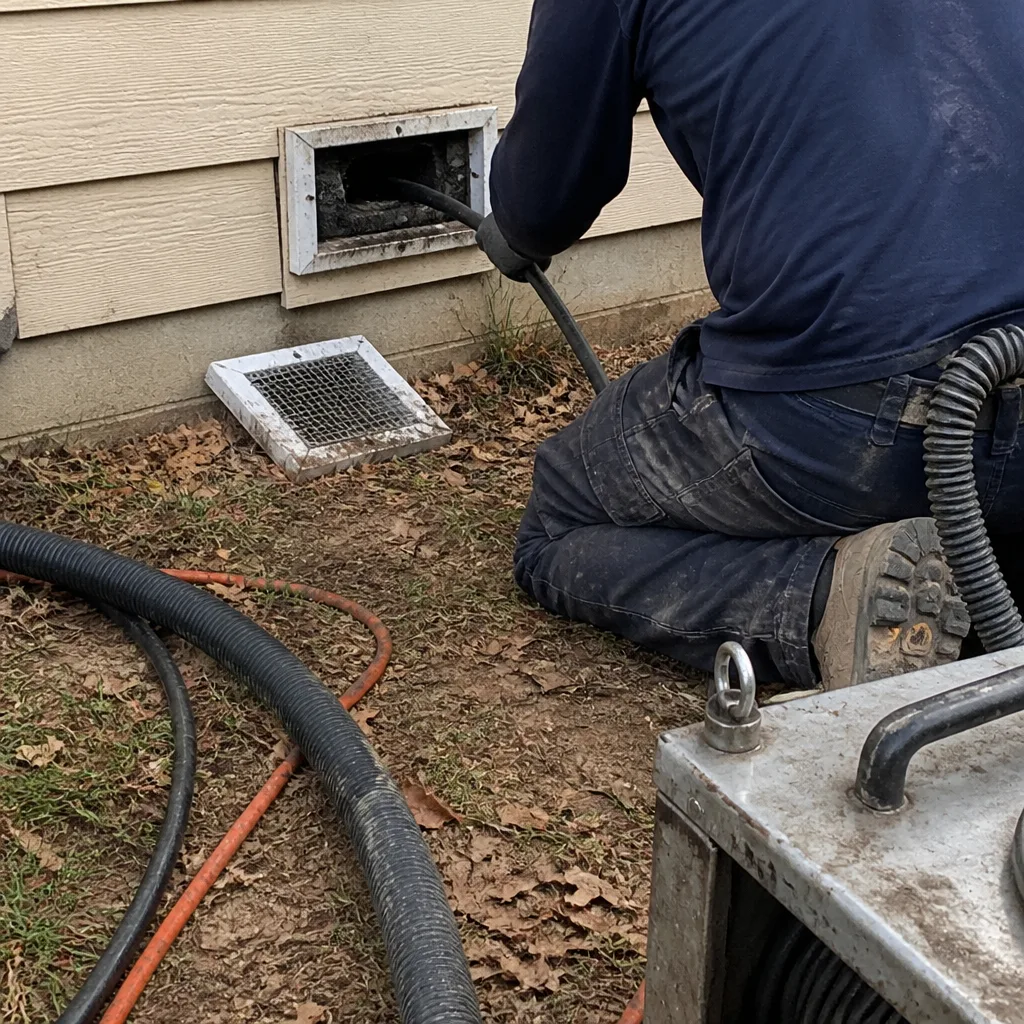 Before
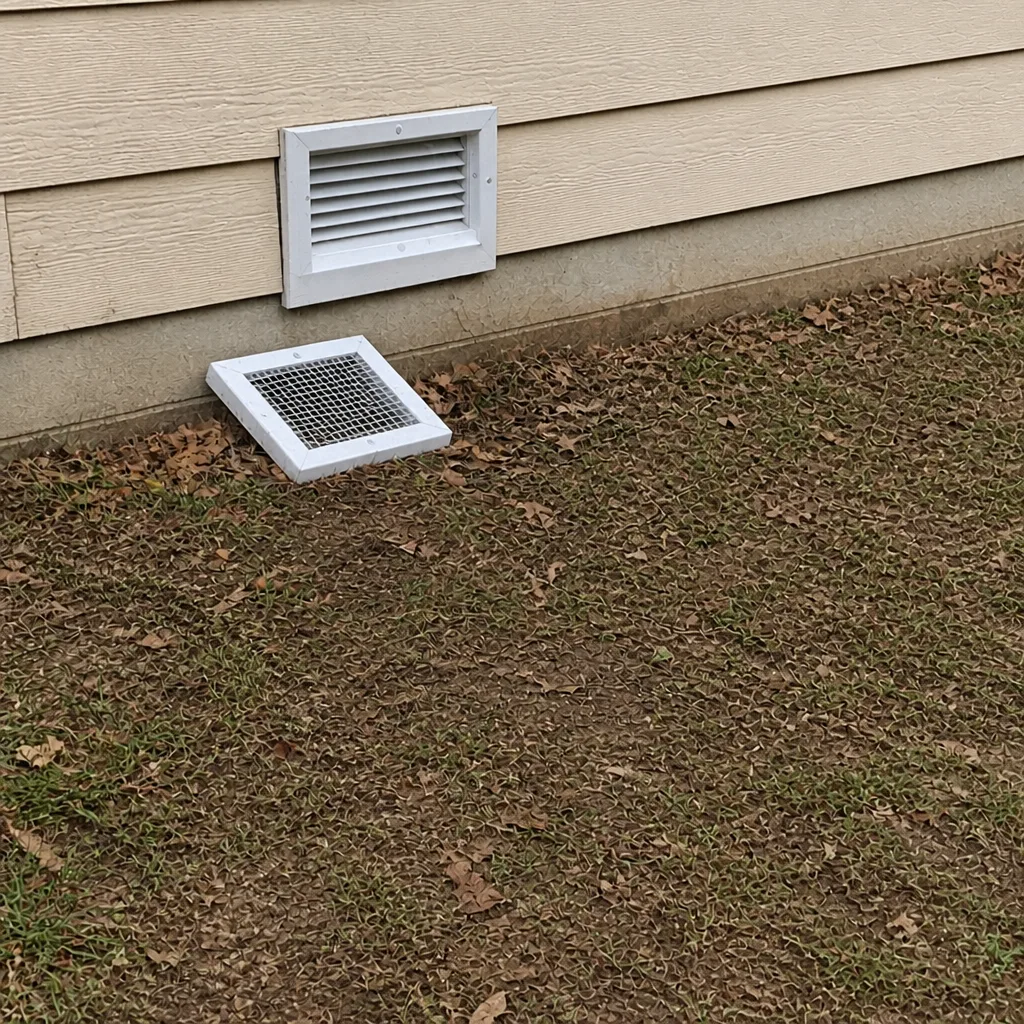 After
 Before
 After
 Before
 After
When to Call a Professional
Some seasonal care is about timing; some is about trouble. Call a professional right away if you smell musty or earthy odors from the registers, especially when the system is running. Call if register airflow drops in one or more rooms, if you see water in the condensate pan or around the air handler, or if you notice visible dust patterns or debris at the returns that return quickly after cleaning. Call if the attic duct runs look damaged, disconnected or under-insulated, or if your dryer takes longer than usual to dry a load, or if you can’t remember the last time your dryer vent was checked. Duct Cleaning Tyler offers free estimates in Tyler, and we clean, repair and handle dryer vents as one scope. Call (877) 610-4987. We answer 24/7. Fast dispatch from 7am to 7pm, Sunday through Friday.
Frequently Asked Questions
Most Tyler homes benefit from a full duct cleaning every two to three years, with annual inspections to catch problems early. The long cooling season and high humidity in this climate push contamination faster than in drier or shorter-summer regions, so the timing here leans earlier than national averages. Homes with pets, allergy concerns or recent renovation will want to lean toward more frequent service. Call (877) 610-4987 for a free estimate – estimates are free.
March or April is the highest-value month to schedule duct cleaning in Tyler. That window sits just before cooling season demand pulls contractor schedules tight, and it means you’re not circulating last season’s contamination through the house all summer. The fallback window is October, right after the cooling season ends. Call (877) 610-4987 for an exact quote – estimates are free.
Most whole-system duct cleaning in Tyler falls in a range that reflects the number of registers, the system’s size and the condition found during inspection. The fair way to quote it is on the full system rather than a per-vent figure, and it should be agreed before any work starts. A written estimate sets the final price. Call (877) 610-4987 for a free estimate.
The lowest quotes are usually the smallest scope. A cut-rate price can mean a limited sweep of the most accessible runs, generic consumer equipment or no inspection and no repair capability once they arrive. Ask what’s included, what equipment is used, and whether the provider can repair ductwork found damaged during the visit. Call (877) 610-4987 for an honest, whole-system estimate.
Ask for before-and-after photos of your own ducts. A provider that uses professional-grade equipment and documents the work will have no trouble producing comparison photos from the actual job. It’s the clearest confirmation that the scope you paid for is the scope performed. Call (877) 610-4987 to schedule a free estimate.
No. Summer is not the time to open the system. High humidity and continuous operation make moisture inside ductwork risky, and disconnecting or disturbing flex runs can cause leaks or reduced efficiency. During peak season, monitor for symptoms like musty odors and weak airflow, and book a professional assessment if anything looks off. Call (877) 610-4987 and we’ll take a look. We answer 24/7.
The Bottom Line
Tyler’s weather year doesn’t fit the four-season duct care template you’ll find in most national guides. Its long cooling season with a compressed shoulder period and a short, mild but occasionally freezing winter calls for a different calendar. Clean and inspect in March and April, monitor without opening the system from May through September, assess for summer’s effects in October, and prepare attic duct sealing and insulation in winter. Stay on top of filters through East Texas pollen season. A provider that handles cleaning, repair and dryer vent safety covers the whole year. Duct Cleaning Tyler offers free estimates and uses professional-grade equipment like Rotobrush and Nikro. Call (877) 610-4987 to book yours.
Written by the team at Duct Cleaning Tyler.